|
Getting your Trinity Audio player ready... |
Most virgin margarita recipes are just limeade in a salted glass. The acid is there, the sweetness is there, and somehow the drink still tastes like something is missing. That something is not tequila, it’s the body, bitterness, and structural weight that tequila provides. After testing several variations, the fix is specific and not obvious: grapefruit juice adds a bitterness that orange juice alone can’t replicate, and that bitterness is what makes a virgin margarita feel like an intentional drink rather than a substitute.
The Problem Every Virgin Margarita Has
When you remove tequila, you lose three things. Alcohol itself, obviously. But also the warmth that alcohol creates on the palate, and the mouthfeel, the slight weight and viscosity that spirits add to a liquid. Fresh citrus and sweetener replace the flavor, but they don’t replace the body.
This is why a well-balanced virgin margarita still tastes thin compared to the original, even when the acid-sweet ratio is correct. Sparkling water adds volume but not weight. Orange juice adds sweetness and citrus complexity but no bitterness. Grapefruit juice adds both, a natural bitterness that the palate reads as structure. It doesn’t taste like tequila, but it makes the drink feel like it has something holding it together.
That’s the single decision that separates a good virgin margarita from one that tastes like a juice drink.
The Three-Citrus Approach
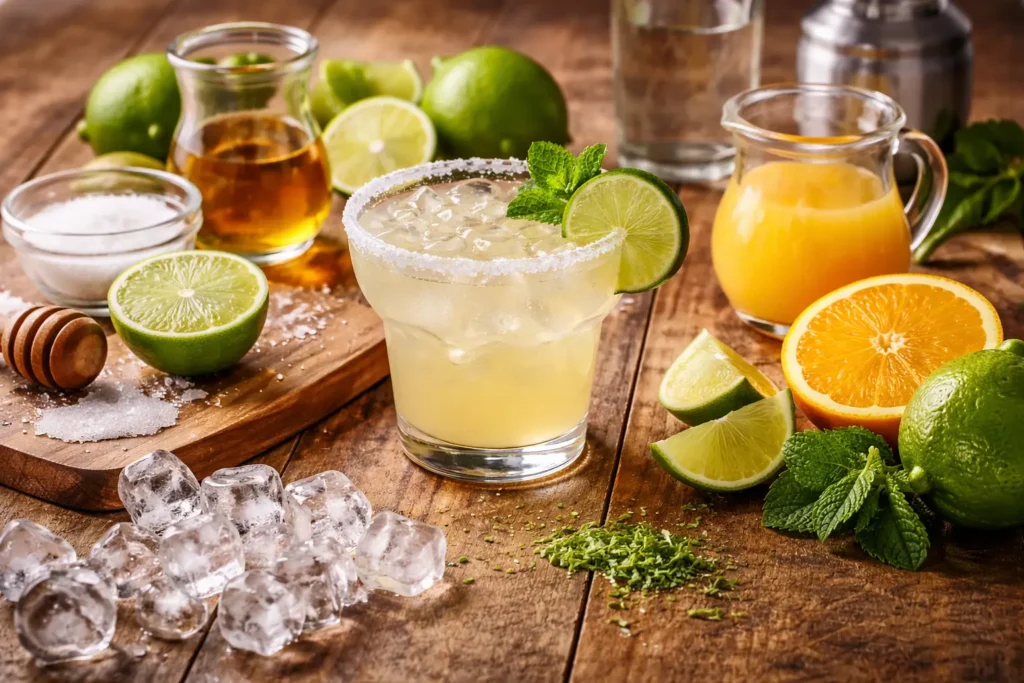
Classic margaritas use lime for acidity and orange liqueur for sweetness and citrus complexity. Replacing both with lime juice alone produces a one-dimensional drink. Three citrus sources, lime, lemon, and grapefruit, distribute the flavor work in a way that creates more complexity and better balance.
Lime is the backbone. It provides the dominant citrus flavor and the acidity that defines a margarita. Fresh lime is non-negotiable here, bottled juice lacks the aromatic oils that make fresh citrus smell and taste alive.
Lemon adds a second layer of citrus that most recipes skip. A small amount, about half the lime quantity, increases the complexity of the citrus note without tasting like lemonade. It’s a supporting element, not a feature.
Grapefruit provides bitterness and body. This is the element that replaces the structural weight of tequila. Use a quarter to half ounce and taste before adding more, grapefruit’s bitterness can dominate if you’re heavy-handed.
Orange juice rounds out the sweetness and provides the citrus depth that orange liqueur would normally contribute. Keep it to a small amount; too much pushes the drink into breakfast territory.
The Virgin Margarita Recipe
This is the version that consistently produces a balanced, grown-up drink.
Ingredients
- 1.5 oz fresh lime juice (about 1.5 medium limes)
- 0.5 oz fresh lemon juice (about half a medium lemon)
- 0.5 oz fresh orange juice
- 0.5 oz fresh grapefruit juice
- 0.5 oz agave nectar (adjust to taste)
- Sparkling water to top
- Ice for shaking and serving
- Coarse kosher salt for the rim
Instructions
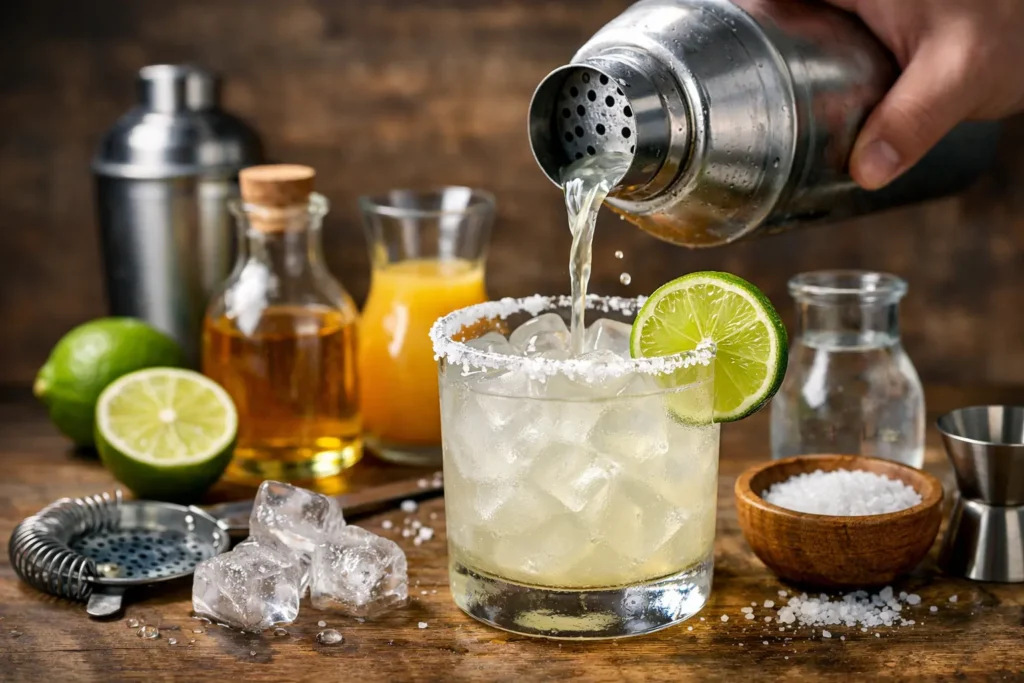
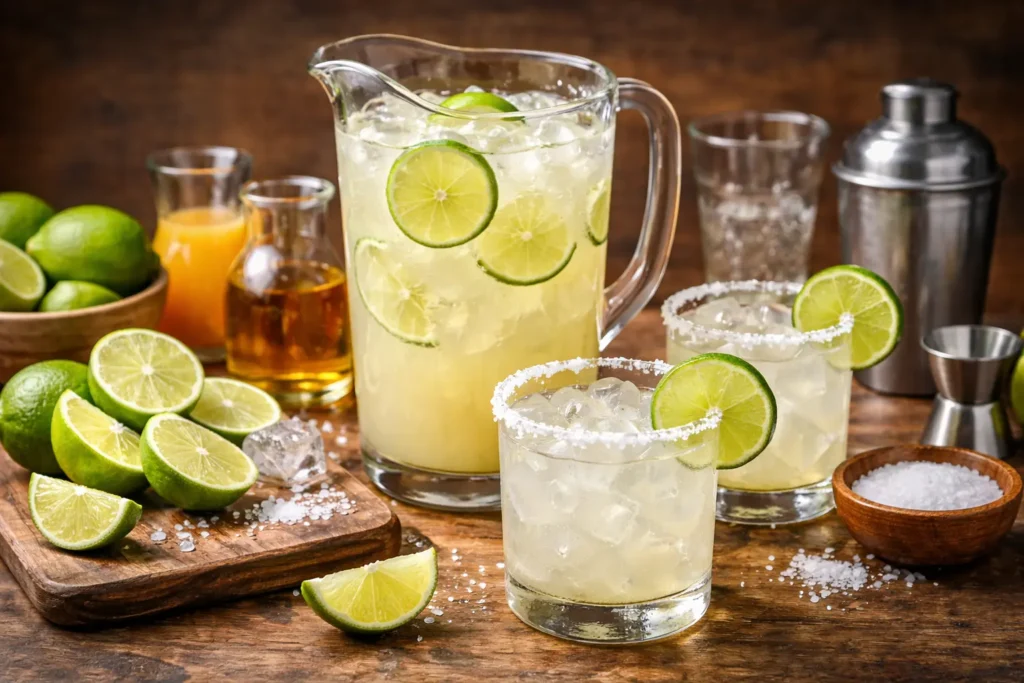
- Run a lime wedge around the outer rim of a rocks glass. Press lightly into coarse salt on a flat plate and tap off excess. Fill the glass with fresh ice.
- Add lime juice, lemon juice, orange juice, grapefruit juice, and agave nectar to a cocktail shaker with ice.
- Shake firmly for 12 to 15 seconds, the shaker should feel cold on the outside.
- Strain into the prepared glass over fresh ice.
- Top with a small splash of sparkling water, two to three ounces is usually enough. More than that dilutes the citrus flavor.
- Taste before serving. If too sharp, add a few more drops of agave and stir. If flat, a few drops more lime juice restores brightness.
The sparkling water goes in last and is never shaken, it’s there to add a light texture, not to be integrated. Shaking it in flattens the bubbles immediately and reduces the drink’s perceived freshness.
Sweetener Options and What Each Does
Agave nectar is the best choice for this drink because it’s the traditional sweetener in margaritas and its flavor profile is genuinely compatible with lime. It dissolves in cold liquid without heating and produces a clean sweetness that doesn’t linger.
Simple syrup is the most neutral option, it sweetens without contributing any flavor of its own, which is useful if you want the citrus to come through as cleanly as possible. Use the same quantity as agave.
Honey adds a floral warmth that some people enjoy and others find distracting in a citrus-forward drink. If using honey, thin it first with an equal amount of warm water so it incorporates properly in cold liquid. Start with a slightly smaller quantity than you would agave, honey runs sweeter.
The one thing to avoid, regardless of sweetener: over-sweetening to compensate for the missing tequila. The instinct when something tastes thin is to add sweetness. In a virgin margarita, it makes the problem worse, the drink becomes cloying rather than structured.
The Rim Decision
Salt is the classic choice and the right one for most purposes. It suppresses bitterness, enhances sweetness, and makes the citrus taste brighter on each sip. Use coarse kosher salt or sea salt, table salt dissolves on contact and tastes sharp rather than clean.
A sugar rim is an option for people who prefer a sweeter drink, though it changes the character of the margarita considerably. Half salt, half sugar on the same rim gives both effects and is worth trying if you’re undecided.
The most interesting variation: Tajín, a Mexican chili-lime salt, pressed onto a chamoy-brushed rim. Tajín adds a spicy, tangy quality that genuinely elevates the drink, especially with the grapefruit element already in the build. It’s not the classic presentation, but it’s worth making at least once.
Non-Alcoholic Tequila: When It’s Worth It
Non-alcoholic spirits designed to mimic tequila, brands like Ritual and Free Spirits make versions specifically for this purpose, are worth mentioning honestly.
They work. They add the agave-forward herbal note and a small amount of the mouthfeel that tequila provides, and they bring the drink meaningfully closer to the original. The cost is real, typically $25 to $35 for a bottle, and whether that’s worth it depends on how often you make this drink.
For a one-off occasion, the three-citrus recipe above is genuinely satisfying without the expense. For someone who regularly wants a zero-proof drink that performs as close to a classic margarita as possible, a non-alcoholic spirit is the most effective single upgrade available.
Making a Batch
For four servings, combine:
- ¾ cup fresh lime juice
- ¼ cup fresh lemon juice
- ¼ cup fresh orange juice
- ¼ cup fresh grapefruit juice
- 3 tablespoons agave nectar
Stir well and refrigerate. Do not add sparkling water to the pitcher, it goes flat within minutes. Add it per glass at serving time, two to three ounces each. Set out salt and lime wedges so guests can rim their own glasses.
For eight servings, double all quantities. The batch keeps in the fridge for up to 24 hours. After that, the citrus starts to lose its brightness and the grapefruit bitterness becomes more prominent relative to the other elements.
Variations Worth Making
Spicy: Muddle two thin slices of fresh jalapeño in the shaker before adding ice and citrus. Remove the seeds for a gentler heat; keeping them in produces a significant kick that builds over several sips. The spice interacts well with the grapefruit bitterness and makes the drink feel even less like a juice.
Frozen: Combine the lime juice, lemon juice, orange juice, grapefruit juice, and agave in a blender with one to one and a half cups of ice. Blend until slushy but not watery; over-blending melts the ice and thins the drink significantly. Skip the sparkling water in the frozen version. Note that frozen drinks taste slightly sweeter because cold temperatures suppress acidity; reduce the agave by a small amount if you find the frozen version too sweet compared to on the rocks.
Mango or strawberry: Replace the orange juice and grapefruit juice with two ounces of fresh mango or strawberry puree. Keep the lime and lemon as the acid-base. The fruit’s sweetness usually means you can reduce the agave by half. Strain well before serving if using strawberries, the seeds are distracting.
Faqs
What can I substitute for tequila in virgin margaritas?
In a virgin margarita, tequila is typically replaced with ingredients that maintain the drink’s bright, citrus-forward flavor without alcohol. The best substitute is a combination of fresh lime juice, orange juice, and a splash of soda water to mimic the crisp finish tequila provides. You can also use non-alcoholic tequila alternatives made from agave-based botanicals, which are specifically crafted to replicate the earthy notes of traditional tequila. A small amount of agave nectar helps maintain the authentic margarita flavor profile since tequila is made from agave. The goal is to balance tart lime, light sweetness, and a refreshing finish so the drink still tastes like a classic margarita, just alcohol-free.
Is there a way to make a non-alcoholic margarita?
Yes, you can easily make a non-alcoholic margarita using simple, fresh ingredients. A classic alcohol-free version includes fresh lime juice, orange juice (or orange extract for depth), agave nectar or simple syrup for sweetness, and sparkling water for a refreshing texture. Shake the citrus and sweetener with ice, then top with soda water and serve in a salt-rimmed glass. This method keeps the traditional sweet-tart balance that defines a margarita while removing the alcohol completely. For a more authentic taste, you can also use alcohol-free tequila substitutes that replicate agave flavors without the alcohol content.
What is the best formula for margaritas?
The best margarita formula follows the classic 3-2-1 ratio: 3 parts tequila, 2 parts orange liqueur, and 1 part fresh lime juice. This balance creates the ideal mix of strong, sweet, and sour flavors. Freshly squeezed lime juice is essential for brightness, and high-quality tequila significantly impacts the final taste. Some bartenders adjust the ratio slightly, such as 2 oz tequila, 1 oz lime juice, and ¾ oz orange liqueur, for a tarter profile. For frozen margaritas, the same ratio applies, blended with ice. The key to the perfect margarita is maintaining balance between acidity, sweetness, and the agave notes of tequila.
Is it ok to use simple syrup in a margarita?
Yes, it is perfectly fine to use simple syrup in a margarita, especially if you prefer a slightly sweeter drink. While traditional margaritas rely on orange liqueur for sweetness, simple syrup allows better control over sugar levels and can balance overly tart lime juice. Many bartenders add a small amount, usually ¼ to ½ ounce, if the drink tastes too sharp. However, using agave nectar is often considered more authentic because tequila is made from agave plants, and it complements the drink’s natural flavor profile. Ultimately, sweetness should enhance the citrus, not overpower it.
What is a substitute for margarita syrup?
If you don’t have margarita syrup, you can substitute it with a mix of fresh lime juice and a sweetener, such as agave nectar, honey syrup, or simple syrup. Margarita syrup typically combines citrus flavor with sugar, making it simple to recreate that balance with fresh ingredients. Orange juice concentrate can also work in small amounts to add citrus depth. For a more natural and less processed option, freshly squeezed lime juice with agave nectar is often better than store-bought syrup because it gives you control over sweetness and results in a fresher, brighter flavor.
References
Cook’s Illustrated – Why Fresh Citrus Matters
International Bartenders Association – Official Margarita Spec
National Honey Board – Honey Syrup Usage in Beverages

Muhammad Hussain is the creator of MargaritaLab.com, where he tests and analyzes margarita recipes, ingredients, and techniques to help readers make better drinks at home. Over time, he has experimented with different tequila types, lime juice variations, and store-bought mixes to understand what actually makes a balanced margarita.
His approach combines hands-on testing with detailed research, focusing on real-world results rather than theory. Whether comparing fresh vs bottled lime juice or reviewing popular margarita mixes, his goal is to simplify the process and share what truly works.