|
Getting your Trinity Audio player ready... |
Espolòn Blanco is the tequila I recommend first when someone asks what to buy for home margaritas. Not because it is the best tequila available, it isn’t, but because it does exactly what a margarita needs from a base spirit without requiring an expensive bottle to do it. After making margaritas with every Espolòn expression across more than thirty builds, the blanco is the one I keep buying. Here is the complete breakdown of what each expression actually produces in the glass, and which one is worth your money.
What Makes Espolòn Different From Other Budget Tequilas
Before getting into the expressions, this matters: not all affordable tequilas are the same product.
Espolòn is made from 100% Blue Weber agave grown in the Los Altos highlands of Jalisco, Mexico. Highland agave matures more slowly than lowland agave at lower altitudes, which typically produces a sweeter, more fruit-forward flavor profile compared to the earthier, mineral-driven character of lowland tequila. The difference is noticeable in the glass when you’re paying attention.
The production process adds to this. Campari Academy’s training documentation on Espolòn, Campari acquired the brand in 2009, confirms that fermentation runs for 70 to 80 hours using a specific yeast strain selected to affect body, flavor, and aroma. Distillation happens twice, with heads and tails cut each time to preserve only the center cut. The spirit then goes into either bottle (for blanco) or barrel (for aged expressions) at 42% ABV, with less water added before bottling than is standard in the industry. That higher bottling strength means the flavor arrives more concentrated per ounce.
The distillation uses both pot stills and column stills in combination, pot still for fuller, rounder flavors; column still for brightness and clarity. The blend of both is what gives Espolòn its simultaneous weight and freshness in a margarita.
None of this is unique to Espolòn in the premium tier of tequila. What is unusual is that these production standards exist at a price point where most competitors are cutting corners.
Espolòn Blanco: The One to Buy for Margaritas
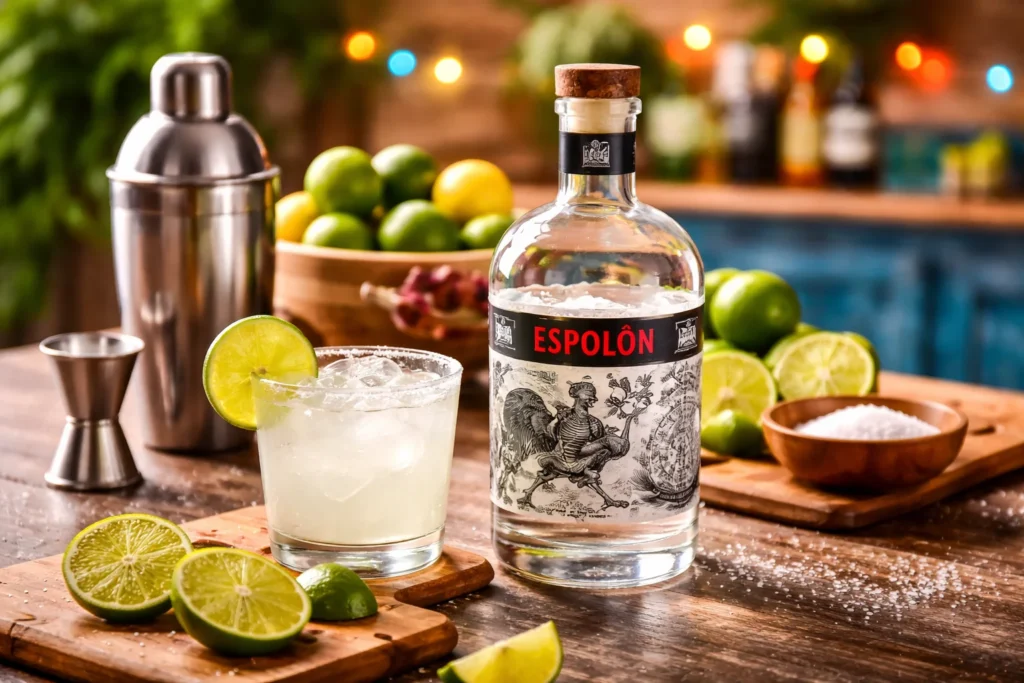
Blanco is unaged, it goes from the still into the bottle without any time in wood. What you get is the direct expression of the distillate, which means the agave character is at its most present and unmodified.
On the nose, the blanco opens with sweet agave, tropical fruit, particularly grilled pineapple, and a light lemon zest. The palate brings cooked agave forward alongside the pineapple, with black pepper and a faint licorice note in the background. The finish has white pepper and a clean herbal edge that lingers briefly before clearing.
In a margarita at the standard 2:1:1 ratio, this flavor profile integrates well for three specific reasons. The fruit-forward nose reinforces the citrus rather than competing with it. The pepper on the finish gives the drink a slight warmth that keeps it interesting after the first sip. And the herbal background note, the quality that distinguishes good agave tequila from neutral spirit, is present enough to taste like tequila without being aggressive enough to dominate the drink.
The one characteristic to be aware of: the blanco has enough sweetness from the highland agave that drinks built around additional sweetness, overloaded with triple sec, or using a very sweet margarita mix, can tip toward cloying. At the 2:1:1 ratio with Cointreau and fresh lime, this isn’t an issue. In a poorly calibrated margarita where the sugar is already high, the blanco’s sweetness compounds it.
Margarita verdict: Buy this one. It’s the right spirit for the job at the right price.
Espolòn Reposado: For a Specific Style of Margarita
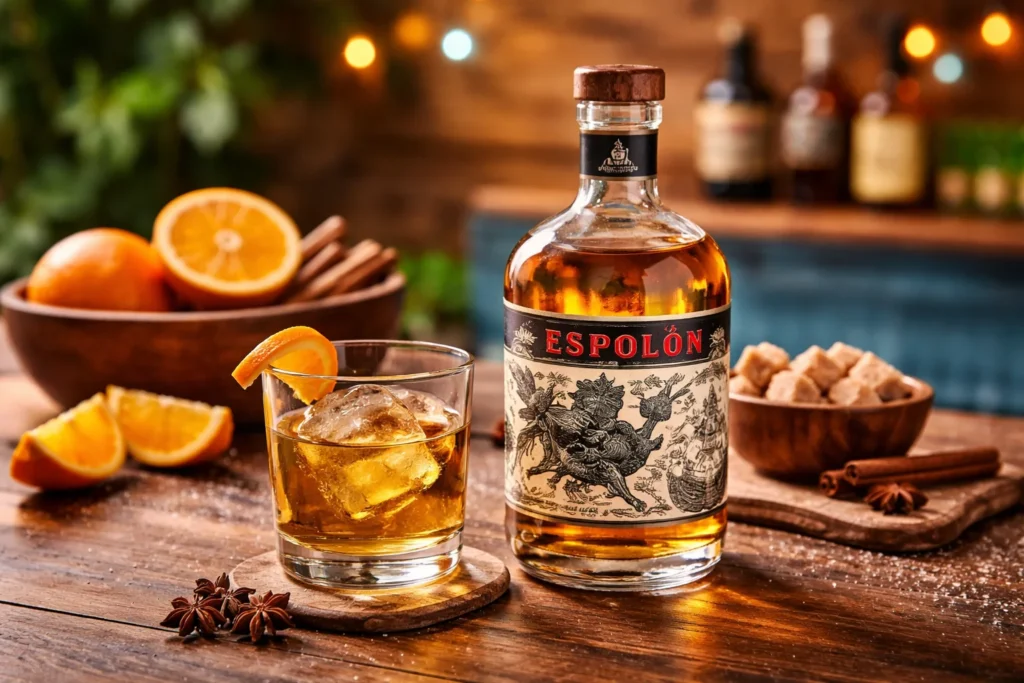
Reposado means “rested”, aged for at least two months in American oak barrels with a No. 2 char, which is lighter than the heavy char used in bourbon production. The lighter char imparts more subtle influence: vanilla, soft caramel, and warm baking spice without the heavy oak dominance that would mask the agave character underneath.
The result in the glass is a more rounded, medium-to-full-bodied spirit with roasted agave, vanilla, and tropical fruit together. The fresh pepper note of the blanco softens to a long, warm spice finish.
In a margarita, the reposado produces a noticeably richer, warmer drink than the blanco. The vanilla notes from the oak interact with the orange liqueur in a way that adds complexity, it’s closer to a Cadillac Margarita character without requiring Grand Marnier’s price premium. This works particularly well in Tommy’s Margarita style (tequila, lime, agave syrup only) because the reposado’s barrel complexity fills some of the role that orange liqueur normally plays.
The tradeoff is that the reposado’s oak influence makes it less clean than the blanco in a classic lime-forward margarita. The vanilla note can blur the citrus slightly, making the drink taste richer but less precise. Whether that’s a positive or negative depends entirely on what you’re building.
Margarita verdict: Use this when you want a richer, warmer drink or in a Tommy’s-style build. Don’t default to it for a classic margarita where lime clarity is the priority.
Espolòn Añejo: Finish It Neat, Not in a Shaker
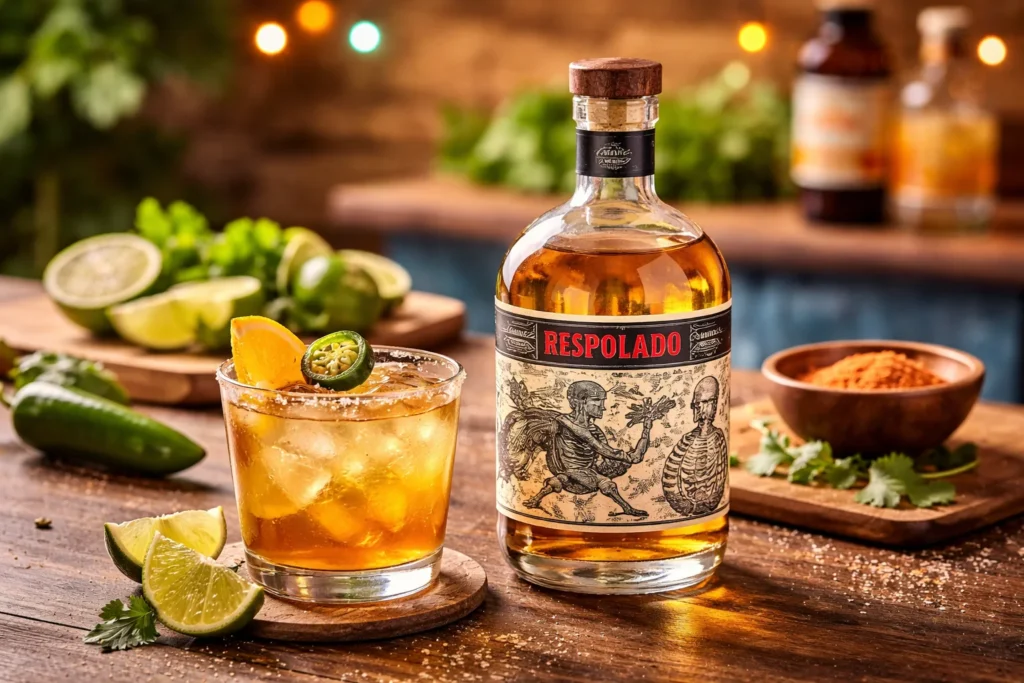
Añejo means “aged”, at least 12 months in American oak, with the Espolòn Añejo finished in Wild Turkey bourbon barrels. The bourbon barrel finish adds caramel, vanilla, dried fruit, and a faint chocolate note to the underlying agave, producing a complex, full-bodied spirit with a bright reddish-gold color.
The añejo is excellent. It’s also the wrong tool for a margarita. The barrel investment in this expression produces subtleties, the dried fruit note, the chocolate background, the way the caramel integrates with the agave, that get completely lost once you add lime juice, orange liqueur, and ice. You’d be paying for complexity that disappears in the glass.
More practically, the añejo’s flavor profile actively fights a classic margarita. The dried fruit and chocolate notes clash with lime’s acidity in a way that the reposado’s cleaner vanilla doesn’t. The result is a confused, slightly muddy drink rather than an interesting one.
Margarita verdict: Don’t use it. Pour it neat or with a single large ice cube and appreciate it on its own terms.
Espolòn Cristalino: A Novelty Worth Understanding
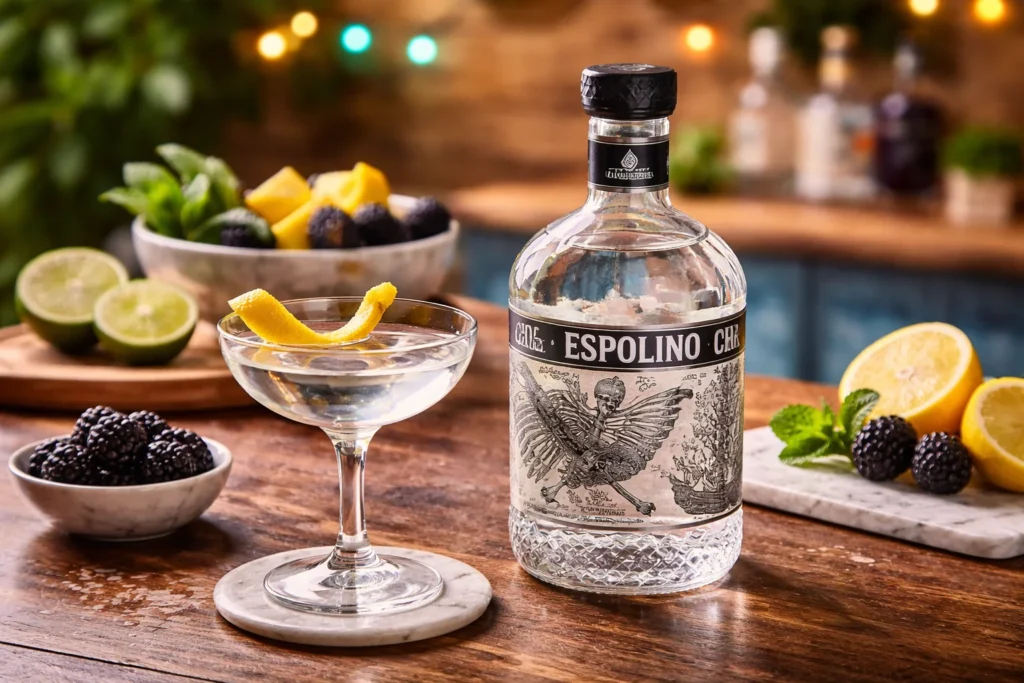
Cristalino is a relatively modern category: an aged tequila, in this case Espolòn Añejo, that’s been filtered, typically through activated charcoal, to remove the color while retaining (most of) the barrel-derived flavors. The result is a clear spirit with the smoothness of an añejo and the appearance of a blanco.
In theory this sounds ideal for cocktails, the clarity of a blanco with the smoothness of an aged spirit. In practice, the charcoal filtration removes some of the barrel character alongside the color, producing a spirit that’s smoother and less assertive than the añejo but also less distinctly flavored than the blanco. It sits in an ambiguous middle ground.
In a margarita, the cristalino produces a smooth, elegant drink with slightly less agave character than the blanco and less warmth than the reposado. If you specifically find standard blancos too sharp or aggressive for your taste, the cristalino is worth trying. For most margarita purposes, it’s an expensive way to get a result the blanco achieves at a lower price point.
Margarita verdict: Interesting but unnecessary. Better as a sipping spirit.
The Margarita I Actually Make With Espolòn Blanco
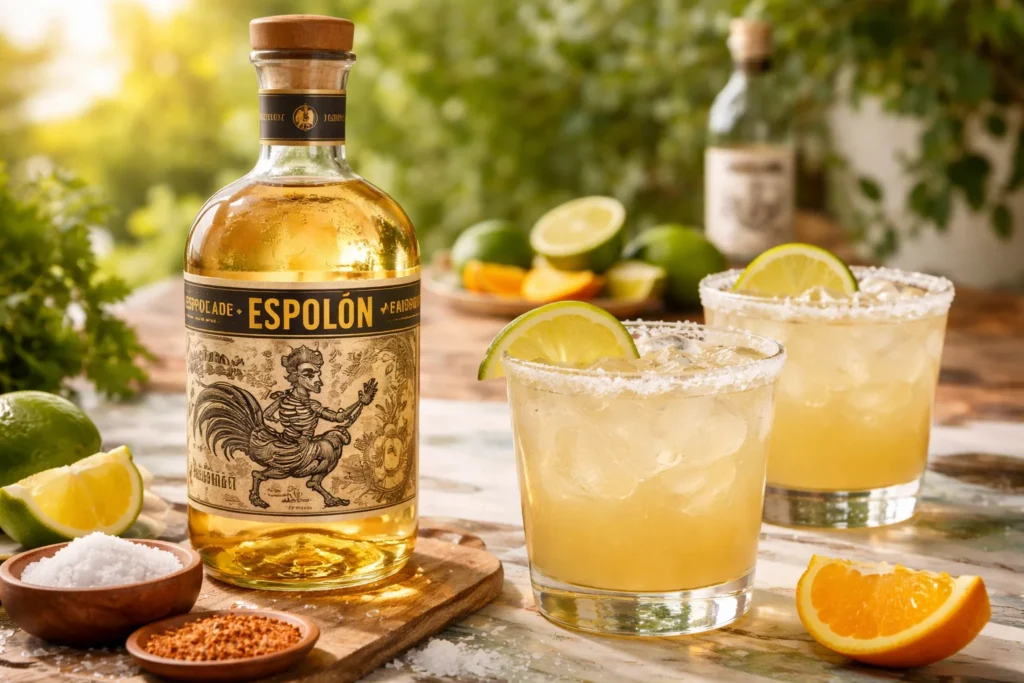
This is the build I’ve made most often and consistently find balanced.
Ingredients
- 2 oz Espolòn Blanco
- 1 oz fresh lime juice (pressed same day)
- 1 oz Cointreau or 40% ABV triple sec
- Ice for shaking
- Ice for serving
- Coarse kosher salt for the rim (optional)
Instructions
- If salting the rim, run a spent lime half around the outer edge of a rocks glass and press lightly into coarse kosher salt on a flat plate. Fill the glass with fresh ice.
- Fill a cocktail shaker three-quarters full with ice.
- Add the Espolòn Blanco, lime juice, and Cointreau.
- Shake hard for 12 to 15 seconds, the shaker should feel cold and frosted on the outside.
- Strain into the prepared glass.
- Taste before serving. If the drink tastes flat or under-structured, shake again with fresh ice rather than adding more ingredients, under-dilution is almost always the cause.
The Espolòn Blanco’s fruit-forward sweetness means you don’t need additional agave syrup in this build. Adding more sweetness to an already slightly sweet blanco at the full Cointreau volume tips the balance. Taste first, if the lime is sharper than expected (which happens with very acidic limes in summer), a few drops of agave corrects it.
Is Espolòn Worth Buying Over Cheaper Alternatives?
The honest price-to-quality comparison matters here.
Espolòn Blanco typically retails around $20 to $25 for a 750ml bottle, depending on location. At that price point, it competes with tequilas that are technically 100% agave but made with lowland agave under less careful production conditions, producing a harsher, thinner result in a margarita.
The specific upgrade Espolòn provides at its price: the highland agave sweetness means the blanco integrates with citrus more naturally than a neutral or slightly harsh blanco would. You don’t need to compensate for a rough edge with additional sweetener. At the standard margarita ratio, the drink is balanced as built.
Whether the incremental improvement over a $15 bottle is worth $5 to $10 more depends on how often you make margaritas. For occasional home use, either works. For regular margarita making where you want consistent, predictable results without adjustment, Espolòn’s consistency is the clearest argument for the price difference.
Espolòn Expression by Use
| Expression | Best Use | Margarita Style |
| Blanco | Classic margarita | On-the-rocks, Tommy’s |
| Reposado | Richer, warmer builds | Tommy’s, Cadillac-style |
| Añejo | Sipping only | Not recommended for mixing |
| Cristalino | Sipping or premium mixing | Smooth builds if you prefer lighter character |
References
Espolòn Tequila Official History
Tequila’s Cultural & Geographic Roots
Jalisco & Tequila Production History

Muhammad Hussain is the creator of MargaritaLab.com, where he tests and analyzes margarita recipes, ingredients, and techniques to help readers make better drinks at home. Over time, he has experimented with different tequila types, lime juice variations, and store-bought mixes to understand what actually makes a balanced margarita.
His approach combines hands-on testing with detailed research, focusing on real-world results rather than theory. Whether comparing fresh vs bottled lime juice or reviewing popular margarita mixes, his goal is to simplify the process and share what truly works.
Pingback: Best Margarita Garnishes: How They Transform Your Drink
Pingback: Homemade Lime Juice for Margarita: Stop Using Bottled Juice and Try This Instead
Pingback: Best Store-Bought Margarita Mix: Stop Buying the Wrong Ones
Pingback: Cointreau vs Orange Liqueur: Discover the Best Choice for Your Margarita
Pingback: Grand Marnier vs Triple Sec vs Cointreau with Full Comparison
Pingback: Best Strawberry Margarita Recipe: Fresh, Frozen, and Everything In Between
Pingback: Best Prickly Pear Margarita Recipe: Why This Bright Pink Cocktail Is So Popular
Pingback: Best Grapefruit Margarita Recipe: My Go-To Summer Cocktail
Pingback: Best Mango Margarita Recipe: Fresh, Frozen, and Which Actually Wins
Pingback: Coconut Margarita Recipe: Creamy, Balanced, and Actually Worth Making
Pingback: Watermelon Margarita Recipe: Why Fresh Juice and Less Ice Changes Everything
Pingback: Cranberry Margarita Recipe: Why This Tart, Vivid Cocktail Works Better in Winter
Pingback: Homemade vs Store-Bought Margarita: I Tested Both and the Answer Surprised Me
Pingback: Spicy Margarita Recipe: How to Control Heat Without Losing the Drink
Pingback: Virgin Margarita Recipe: How to Make One That Actually Tastes Like a Margarita
Pingback: Blue Margarita Recipe: The Color Is Easy, Getting the Balance Right Is Not
Pingback: Frozen Margarita Recipe: How to Make It Smooth, Balanced, and Never Watery
Pingback: Can You Make Margaritas Without Alcohol? The Perfect Non Alcoholic Margarita Recipe
Pingback: Too Much Triple Sec in a Margarita: Why It Tastes Sweet and How to Fix It
Pingback: Vodka Margarita Recipe: What Actually Changes When You Swap Tequila for Vodka
Pingback: Is Triple Sec the Same as Simple Syrup? No, and Confusing Them Breaks Your Margarita
Pingback: Cadillac Margarita Recipe: Now an Official IBA Cocktail, Made the Right Way
Pingback: Best Tequila for Margaritas: The Real Question Isn't Blanco vs. Reposado