|
Getting your Trinity Audio player ready... |
Most spicy margarita recipes make the same mistake. They treat heat like another flavour.
It is not.
The first time I seriously tested spicy margaritas side by side, I made six versions with identical tequila, lime, and orange liqueur ratios. The only thing I changed was how the pepper entered the drink. Some were almost refreshing. Others felt aggressive and exhausting after three sips. Same base cocktail. Completely different experience.
That is the real challenge of a good spicy margarita. Not making it spicy. Making it drinkable.
Sweetness, acidity, bitterness, and salt all behave predictably in a cocktail. Capsaicin, the compound that makes peppers hot, behaves more like a physical sensation than a taste. That changes everything about how you build a drink.
Why Heat Is the Hardest Flavour to Balance in a Cocktail
A margarita already pushes your palate in multiple directions at once. Acid from lime. Alcohol from tequila. Sweetness from orange liqueur or agave. Salt on the rim.
Heat complicates all of them.
Unlike sweetness or acidity, heat builds over time. The first sip might feel balanced. By the fourth sip the same drink can suddenly feel harsh because capsaicin accumulates on your palate in a way that lime or tequila do not.
That delayed intensity is why so many spicy margaritas taste fine for two minutes and exhausting after ten. I learned this while testing serrano peppers. My first version tasted amazing initially, bright lime and sharp green freshness. Five minutes later, all I could feel was burning heat sitting on top of the alcohol. The drink had lost its refreshment completely.
A great spicy margarita should still behave like a margarita first. The heat should support the citrus and tequila, not flatten them.
How Capsaicin Actually Works: and Why It Behaves Nothing Like Sweetness or Acid
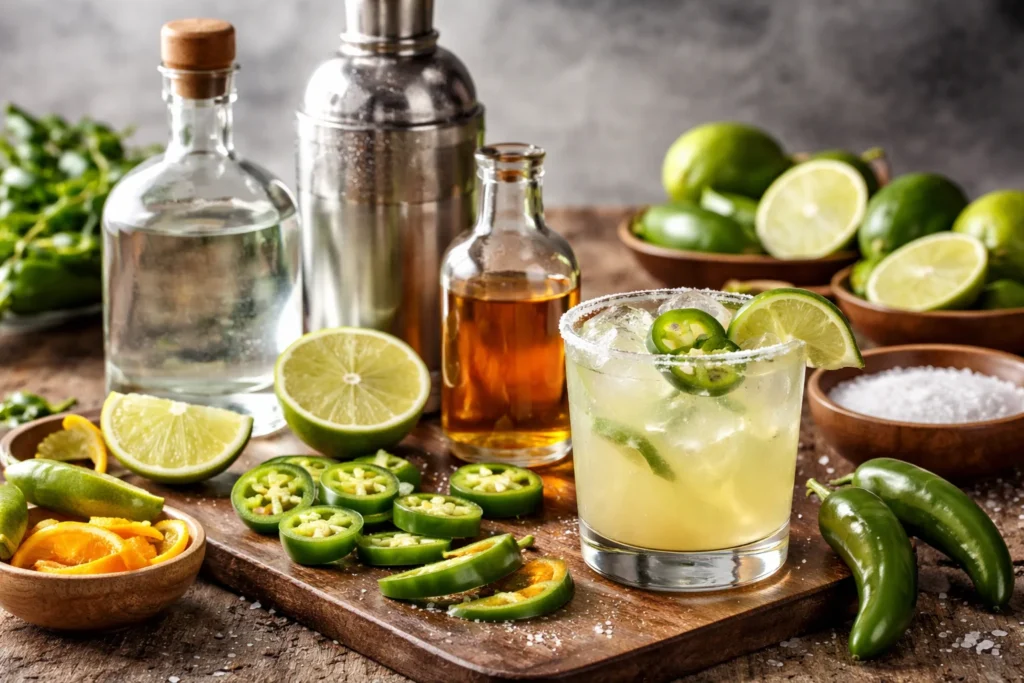
Capsaicin is oil-soluble, not water-soluble. Alcohol helps spread it across your palate, which is why spicy cocktails can feel more intense than spicy food at a similar heat level.
Cold temperature changes the perception too. Ice dulls heat temporarily, but as dilution increases and the drink warms slightly in the glass, the spice often becomes more noticeable halfway through. That is why a spicy margarita can seem mild at first and hotter later without any additional pepper being added.
Dave Arnold discusses temperature and perception extensively in cocktail technique work, and spicy margaritas are one of the clearest demonstrations of those principles. Understanding that behaviour changes how you build the drink, you stop chasing immediate heat and start designing for how the cocktail drinks over several minutes.
The Heat Source Decision: Your Most Important Choice Before Anything Else
Most recipes obsess over tequila brands. That matters, but not nearly as much as the pepper decision. The heat source completely changes the personality of the drink.
Fresh Jalapeño vs Serrano: The Pepper Choice That Changes Everything
I tested both peppers back to back in the same recipe on the same day using identical technique and timing.
Fresh jalapeño gave a greener, softer heat. It tasted fresh and vegetal with a brightness that complemented lime rather than competing with it. The tequila stayed clearly noticeable throughout. I recommend it for most home bartenders because it leaves room for the other ingredients to remain recognisable.
Serrano pepper was sharper and more aggressive in the same recipe. The heat cut through sweetness faster and created a cleaner spike rather than a rounded warmth. The green freshness was more intense but also closer to the edge of turning bitter if muddled too long.
Here is the important part most recipes skip: jalapeños vary wildly in heat level between individual peppers. I have bought jalapeños that barely registered as spicy and others that were hotter than the serranos I tested. That inconsistency is why technique matters more than recipe measurements.
Infused Tequila vs Muddled Fresh Pepper: Two Completely Different Drinks
These methods are not interchangeable and treating them as equivalent is a recipe for inconsistency.
Infused tequila creates smoother, more integrated heat that spreads evenly through the cocktail. For consistent results, a fresh short infusion, 15 to 30 minutes of jalapeño slices steeping in tequila just before mixing, produces the most reliable heat level without the flat character that comes from infusions sitting for several days. A week-old infusion and a 20-minute fresh infusion taste noticeably different. The fresh method gives you more control and better flavour.
Fresh muddled pepper creates brighter flavour and sharper edges. You taste the actual pepper. The heat hits in bursts rather than evenly throughout the drink. After testing both repeatedly, I prefer muddled jalapeño for classic single-serving spicy margaritas because the freshness adds something the infusion cannot replicate. For batching, fresh infusion wins because it gives consistency from glass to glass.
Dried Chilli vs Tajín: When You Want Heat Without the Muddling
Dried chilli adds earthy warmth instead of fresh green heat. Ancho chilli creates a darker, almost cocoa-like depth that works surprisingly well with reposado tequila. It is the option I reach for when I want spice that reads as warmth rather than sharpness.
Tajín is different entirely: it adds mild heat, salt, and acidity simultaneously. I use it primarily as a rim ingredient rather than a primary spice source because it gives contrast without overwhelming the drink. A full Tajín rim can overpower delicate margaritas. A half rim lets the drinker control how much seasoning enters each sip.
Why Alcohol Makes Heat Feel Stronger: and What to Do About It
High-proof tequila amplifies capsaicin perception. This is one of the few margarita styles where aggressive tequila can actually hurt the drink rather than elevate it.
A tequila with too much alcohol bite stacks directly on top of the pepper heat and creates a sharp, unpleasant finish that feels punishing rather than interesting. I tested one spicy margarita recipe with an overproof blanco and immediately understood why smoothness matters more here than in any other version.
For spicy margaritas I consistently prefer a softer blanco with strong citrus notes because it keeps the drink refreshing. A lightly rounded reposado works if I want the spice to feel warmer and less sharp. I avoid heavily peppery tequilas because they compete directly with the chilli rather than providing a clean background for it.
How Cold Temperature Hides Heat and Why That Matters for Serving
Freshly shaken spicy margaritas almost always taste milder than they will two minutes later.
That matters because many people overcompensate during tasting. They judge the drink immediately after shaking, think it needs more pepper, add more, and then find the drink becomes too hot once the ice begins melting and the temperature rises slightly.
When testing heat level I now wait one full minute before deciding whether to add more spice. That single pause changed my consistency dramatically. The heat you feel at 60 seconds after shaking is a far more accurate predictor of how the drink will taste throughout than the immediate post-shake sip.
The Muddling Technique That Controls How Hot Your Drink Actually Gets
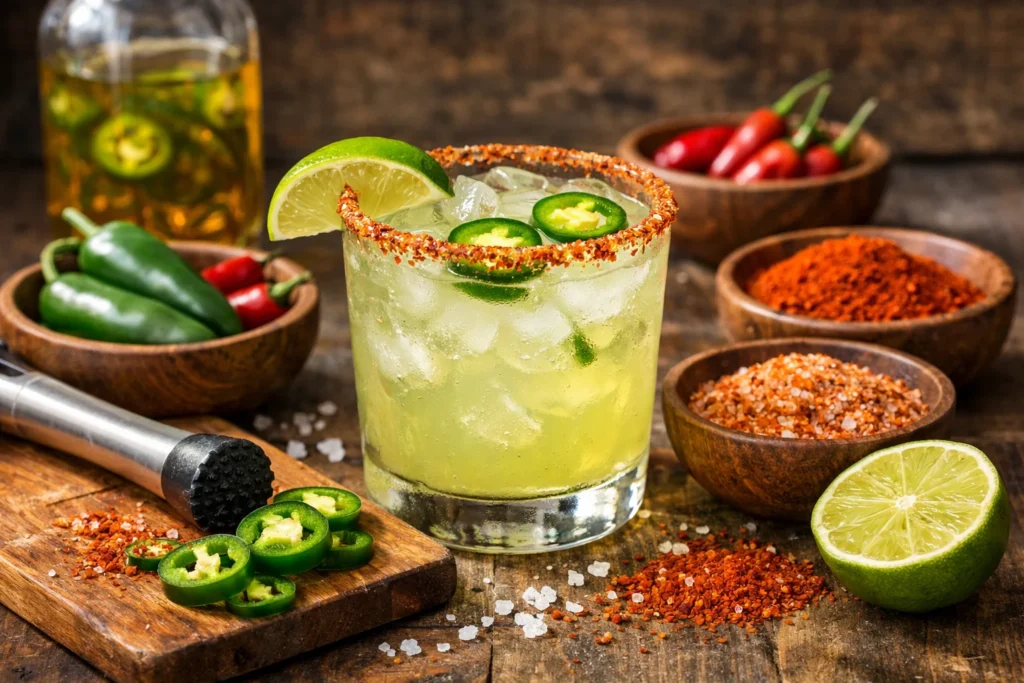
This is where most home recipes quietly lose control. People muddle peppers aggressively the same way they muddle mint or soft fruit. That extracts far more capsaicin than necessary and introduces bitterness from damaged pepper skin that compounds unpleasantly with the alcohol heat.
I press peppers gently rather than crushing them. The difference in the final drink is significant and consistent.
Muddling Into Lime Juice vs Muddling Into the Shaker: Does It Matter
Yes, and the difference surprised me more than expected.
Muddling pepper directly into lime juice before adding any spirits softened the heat perception slightly in my testing. The acid immediately dispersed some of the capsaicin oils in a way that seemed to make the heat feel more rounded and less sharp.
Muddling dry in an empty shaker created more direct, immediate spice extraction with sharper edges.
For most versions I now muddle directly into the lime juice first. The resulting balance is more consistent and easier to judge during the brief pre-strain taste test.
Skin vs Seeds: Which Part of the Pepper Creates Which Type of Heat
The seeds are not the main capsaicin source despite what most people assume. The white membrane inside the pepper, the pith that connects the seeds to the walls, carries the highest capsaicin concentration.
Seeds matter because they spread those oils through the drink during muddling, but removing seeds without removing the membrane does almost nothing to reduce heat.
For controlled heat: use thin slices with membranes removed for gentle warmth. Keep some membrane intact for medium heat. Avoid fully pulverising the interior unless you intentionally want aggressive spice that builds heavily.
The 30-Second Timing Test
This became my personal rule for evaluating any spicy margarita.
If the heat dominates your palate 30 seconds after swallowing, the drink is too spicy for balance. Good spicy margaritas should invite the next sip rather than punish you for the previous one.
Sweetener: The One Ingredient That Genuinely Softens Capsaicin Perception
Sweetness does not remove heat, but it changes how your palate interprets it by providing competing flavour stimulation that gives the capsaicin something to work alongside rather than dominate against.
Agave syrup integrates most naturally because its earthy sweetness connects with tequila without adding fruity notes that might conflict with the pepper. I add slightly more sweetener to spicy margaritas than standard ones, not enough to make the drink taste sweet, just enough to round the heat’s edges.
Fresh orange juice works as an alternative sweetener that also adds citrus body. Using half an ounce of orange juice in place of agave creates a slightly softer, rounder drink that some people find more approachable while still maintaining the margarita’s structure. It changes the character more noticeably than agave does but produces a genuinely interesting result.
What does not work is adding extra orange liqueur to compensate for excessive heat. That makes the drink heavier and more alcoholic without calming the spice, alcohol amplifies capsaicin rather than reducing it.
Why Bitters Make a Spicy Margarita More Interesting
A single dash of bitters adds aromatic structure without adding sweetness or acid.
Orange bitters sharpen the citrus aromas and make the entire cocktail feel more complete, they connect the lime and orange liqueur more cohesively. Mole bitters pair particularly well with smoky or dried chilli versions because they reinforce earthy spice rather than competing with it.
One dash is usually exactly right. More than that pulls the drink toward amaro territory and away from margarita character.
My Go-To Spicy Margarita Recipe
This is the version I return to most consistently because it stays balanced from the first sip through the last.
Ingredients
- 2 oz blanco tequila Clean and citrus-forward, smoothness matters more here than in a classic margarita.
- 1 oz fresh lime juice Fresh only. Bottled lime makes the heat taste harsher rather than complementary.
- ¾ oz Cointreau Dry orange character without extra sweetness.
- ¼ oz agave syrup Slightly more than a standard margarita to soften the capsaicin edges.
- 2 thin jalapeño slices Seeds removed, some membrane intact for medium heat.
- 1 dash orange bitters Optional but consistently improves the drink.
- Ice, Tajín or salt for half rim
- Optional: 2–3 fresh cilantro sprigs Added to the shaker alongside the pepper. The herbal freshness connects naturally with green jalapeño heat and adds an aromatic layer without dominating the drink.
Instructions
Add jalapeño slices and lime juice to the shaker first. Press gently with a muddler for about five seconds. Firm pressure, not aggressive crushing.
Add tequila, Cointreau, agave syrup, bitters, and ice.
Shake hard for 12 seconds until thoroughly chilled.
Before straining, take a small sip and wait 30 seconds. That pause gives you the most accurate read of the heat level before committing to the final drink.
Strain over fresh ice into a rocks glass with a half Tajín or salt rim.
Garnish with a thin jalapeño slice rather than a whole pepper, whole garnish peppers continue infusing the drink as it sits and gradually increase the heat level without your control.
How to Make It Consistently at the Heat Level You Want Every Time
Consistency is the hardest part of spicy margaritas because peppers are unpredictable by nature.
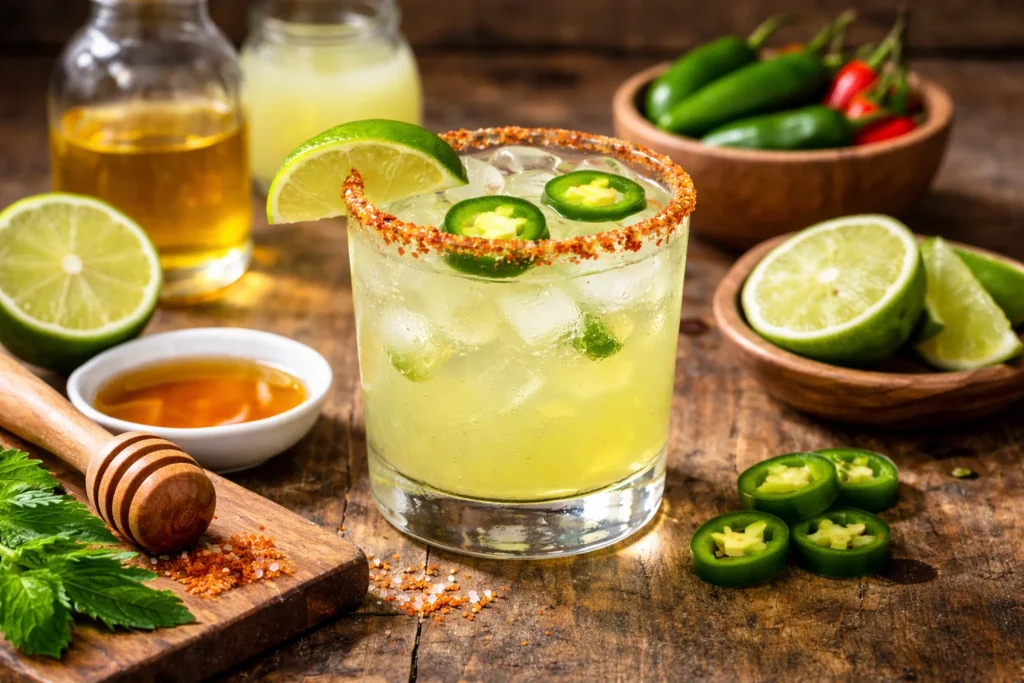
The method I found most reliable is scaling heat through contact time rather than pepper quantity alone.
For mild heat: one jalapeño slice, gentle five-second press, immediate shaking. For medium heat: two slices, ten-second contact before adding ice. For strong heat: three slices with membrane intact, 20 to 30 seconds resting before shaking begins.
This approach gives more control than simply adding extra slices and produces more consistent results even when individual pepper heat levels vary.
What to Do When the Drink Is Already Too Spicy in the Glass
Prevention is better than rescue, but occasionally a pepper is hotter than expected and the balance goes wrong after pouring.
Do not add more lime juice. Acid does not neutralise capsaicin and adding more lime without adjusting other ingredients throws the balance further off.
The fastest practical fix is adding a small amount of agave syrup directly to the glass and stirring gently. Sweetness softens heat perception immediately. A quarter ounce is usually sufficient to bring a slightly-too-hot drink back into drinkable range.
If the drink is seriously overspiced, top with a small splash of sparkling water. This dilutes slightly without adding flavour and can bring an aggressive drink back to approachable. Letting it sit for two minutes while the ice melts also helps, the additional dilution rounds the heat naturally.
Tequila: Why Smoothness Matters More Here Than in Any Other Margarita
Spicy margaritas expose rough tequila faster than any other variation.
Harsh alcohol and capsaicin amplify each other because alcohol is a capsaicin solvent, it carries the heat molecules across your palate more efficiently than water does. A tequila that feels acceptable in a regular margarita can become genuinely unpleasant once chilli enters the equation.
I avoid overly grassy or aggressively black-peppery blancos here because they create a flavour clash with fresh chilli that reads as chaotic rather than complex. Cleaner tequilas with citrus and mineral notes let the heat feel intentional. The tequila’s job in a spicy margarita is to provide a clean, smooth platform for the pepper to work against, not to add its own aggressive heat on top.
Three Variations That Respect the Heat
The best spicy margarita variations understand that heat changes how every other ingredient behaves. These three specifically account for that interaction rather than simply adding pepper to a standard fruit recipe.
Spicy Pineapple: Why Tropical Sweetness and Capsaicin Work Together
Pineapple naturally supports chilli because its sweetness and acidity are both intense enough to survive the heat without being overwhelmed. The tropical notes actually make jalapeño taste fresher rather than fighting it.
I use fresh pineapple juice rather than bottled because canned pineapple can make the drink feel syrupy once spice enters the picture, the sweetness compounds in a way that makes the heat feel less clean.
Spicy Watermelon: The Most Delicate Heat Balance on This Site
Watermelon is mostly water and subtle sweetness, which makes it fragile against capsaicin.
Too much spice destroys the melon character almost instantly. I use half the jalapeño quantity for watermelon margaritas compared to standard spicy versions. The window between refreshing and overpowered is incredibly narrow, narrower than any other fruit combination I tested. One additional slice of jalapeño in a watermelon margarita can shift the entire drink from balanced to undrinkable for people with moderate heat sensitivity.
Mezcal Spicy Margarita: When Smoke Meets Heat
Smoke and chilli reinforce each other naturally, which means restraint matters even more than usual.
I split the base: one and a half ounces tequila alongside half an ounce mezcal. Full mezcal versions become exhausting alongside heavy spice because smoke and heat stack the same way alcohol and heat do, both amplify and neither softens the other.
Mole bitters work especially well here, reinforcing the earthy complexity rather than adding a separate aromatic layer that competes.
The Batching Problem: Why Heat Intensifies in Large Batches Over Time
Fresh pepper continues infusing after mixing, which creates a specific and consistent problem when batching spicy margaritas for gatherings.
A batched spicy margarita made at 3pm may taste dramatically hotter by 7pm. I discovered this at a backyard gathering, the first pitcher tasted balanced and exactly right. The second round from the same batch felt almost twice as spicy despite nothing changing in the recipe. The peppers had continued extracting capsaicin into the alcohol while the batch sat.
Now I batch the margarita base separately from any pepper element whenever possible, adding fresh jalapeño per serving rather than into the whole batch. If you must batch fully, strain all pepper solids out earlier than feels necessary, at least 30 minutes before serving rather than right before. The heat at serving time will still be higher than at mixing time even after straining, because dissolved capsaicin stays in solution.
A Spicy Margarita Question Worth Answering
People often ask whether a spicy margarita should actually hurt a little.
My answer is no.
You should notice the heat. It should wake up the citrus and tequila. It should linger slightly after swallowing and make the next sip feel more interesting than the last.
But pain is not balance.
The best spicy margaritas still refresh you.
Faqs
What flavor is spicy margarita?
A spicy margarita has a bright, citrusy, and slightly spicy flavor profile. The base flavor comes from tequila and fresh lime juice, which creates the classic margarita’s balance of strong and sour. Orange liqueur adds a mild sweetness and citrus aroma, while ingredients such as jalapeño or chili introduce heat. The spice usually builds gradually rather than dominating the drink. When properly balanced, the result is a cocktail that tastes refreshing, tangy, lightly sweet, and gently spicy, with the pepper heat enhancing the citrus and tequila rather than overpowering them.
How to sweeten a spicy margarita?
If a spicy margarita tastes too sharp or overly spicy, you can sweeten it by adding a small amount of agave syrup, simple syrup, or extra orange liqueur. Agave syrup is a common choice because it complements tequila, which is made from agave plants. Start with a small amount, such as about ¼ ounce, and adjust gradually until the drink reaches the desired balance. Some bartenders also use fruit juices like mango or pineapple to add natural sweetness while keeping the cocktail fresh and flavorful.
What is the difference between a spicy margarita and a normal margarita?
The main difference is the addition of a spicy ingredient. A traditional margarita typically contains tequila, fresh lime juice, and an orange liqueur such as triple sec or Cointreau. A spicy margarita keeps the same basic structure but includes ingredients like jalapeño slices, chili-infused tequila, or chili salt rims to introduce heat. The goal is not to change the cocktail completely but to add a subtle layer of spice that contrasts with the citrus and sweetness.
Is spicy margarita strong?
A spicy margarita has a similar alcohol strength to a regular margarita because both are usually made with about 2 ounces of tequila as the main spirit. The drink can taste stronger or milder depending on dilution, sweetness, and ingredient ratios. Shaking the cocktail with ice adds water, which softens the alcohol intensity. If the drink includes extra citrus or sweetener, it may taste smoother even though the alcohol content remains roughly the same.
Is it better to use lime or lemon in a margarita?
Lime is traditionally used in margaritas and is widely considered the better choice. Fresh lime juice provides the distinct tart and slightly bitter citrus flavor that defines the cocktail. Lemon juice is more commonly used in other sour cocktails, such as a whiskey sour or a Tom Collins. While lemon can technically be used in a margarita-style drink, it changes the flavor profile and makes the cocktail taste less like a classic margarita. For the most authentic result, bartenders typically recommend using fresh lime juice rather than lemon.
References
Difford’s Guide – The Original Margarita Recipe
Daily Meal – Expert Ingredient Ratio for Margaritas
Café Royal Cocktail Book (Historical Cocktail Reference)

Muhammad Hussain is the creator of MargaritaLab.com, where he tests and analyzes margarita recipes, ingredients, and techniques to help readers make better drinks at home. Over time, he has experimented with different tequila types, lime juice variations, and store-bought mixes to understand what actually makes a balanced margarita.
His approach combines hands-on testing with detailed research, focusing on real-world results rather than theory. Whether comparing fresh vs bottled lime juice or reviewing popular margarita mixes, his goal is to simplify the process and share what truly works.
Pingback: Jalapeño Margarita Recipe: Everything That Makes This Pepper Specifically Worth Using