|
Getting your Trinity Audio player ready... |
Most margarita glass guides are shopping lists, which set to buy, which brand holds up in the dishwasher, and which one looks best on a bar cart. None of that tells you what actually happens to the drink once it’s poured. So instead of researching products, I made the same margarita, at the same ratio, with the same ice, in five different glass shapes back to back: classic, rocks, coupe, highball, and stemless.
The classic stemmed glass is the one everyone pictures: wide rim, narrow stem, elegant curved bowl. I used it for the first two years of making margaritas at home and assumed it was correct simply because it looked like a margarita glass. Once I ran the comparison, it came in second. The rocks glass kept the drink colder longer, gave better control over ice dilution, and made the rim salt easier to manage without it landing in every sip. The classic glass still has its place, presentation matters, but it isn’t the glass that makes the better margarita.
This guide covers what each glass actually does to the drink, which one I reach for and when, and what’s worth knowing before you buy.
Best Margarita Glasses (Tested & Ranked)
| Rank | Glass Type | Best For | Pros | Cons | My Verdict |
| #1 | Rocks Glass | Everyday margaritas | Stable, controls dilution well, versatile | Less “classic” presentation | Best overall for home use |
| #2 | Classic Margarita Glass | Presentation & special occasions | Wide rim enhances aroma, iconic look | Spills easily, impractical daily | Best for hosting |
| #3 | Coupe Glass | No-ice (“up”) margaritas | Elegant, prevents over-dilution | Smaller capacity | Best for refined, spirit-forward pours |
| #4 | Highball Glass | Frozen or lighter margaritas | Holds more volume | Less aroma concentration | Best for frozen margaritas |
| #5 | Stemless Glass | Casual home use | Comfortable grip, stores easily | Warms up faster | Best for casual, everyday use |
In my testing, the rocks glass consistently gave the most balanced margarita for daily drinking, while the classic glass earns its keep on presentation, not performance.
Why the Right Glass Matters
A margarita isn’t just about ingredients, the glass changes the experience of drinking it. The right one:
- Releases aroma (wide rims let citrus oils open up)
- Holds temperature (thicker glass and less surface exposure slow warming)
- Controls dilution (ice behaves differently depending on the shape)
- Shapes presentation, which genuinely affects how balanced a drink tastes before you even sip it
The iconic wide-rimmed glass looks the part, but “looks the part” and “performs best” turned out to be two different questions once I tested them side by side.
Types of Margarita Glasses
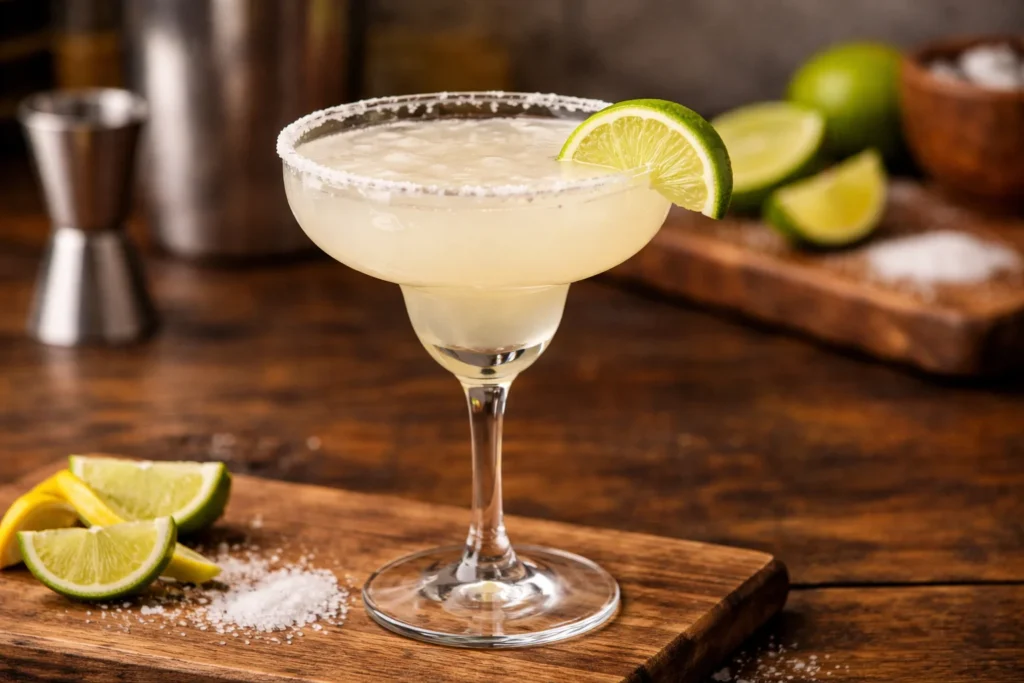
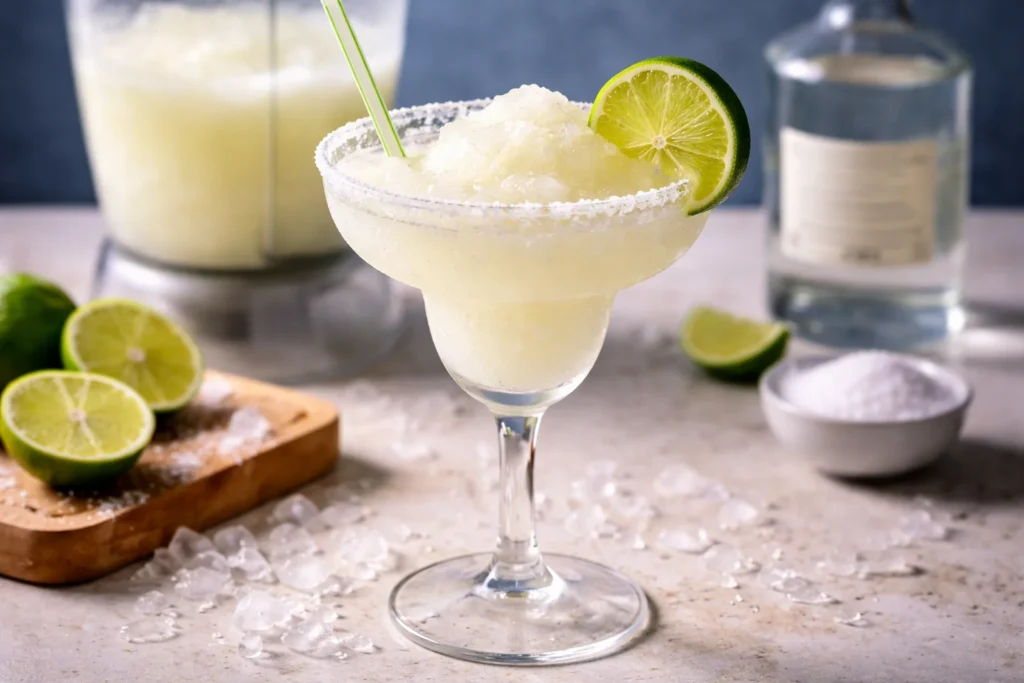
Classic Margarita Glass (Coupe-Style Bowl)
The traditional “sombrero-shaped” glass, technically a variation on the old coupe glass, scaled up with a wider, deeper bowl.
Best for: serving classic margaritas without ice (“up”), presentation-heavy occasions Limitations: spills easily, awkward for daily use
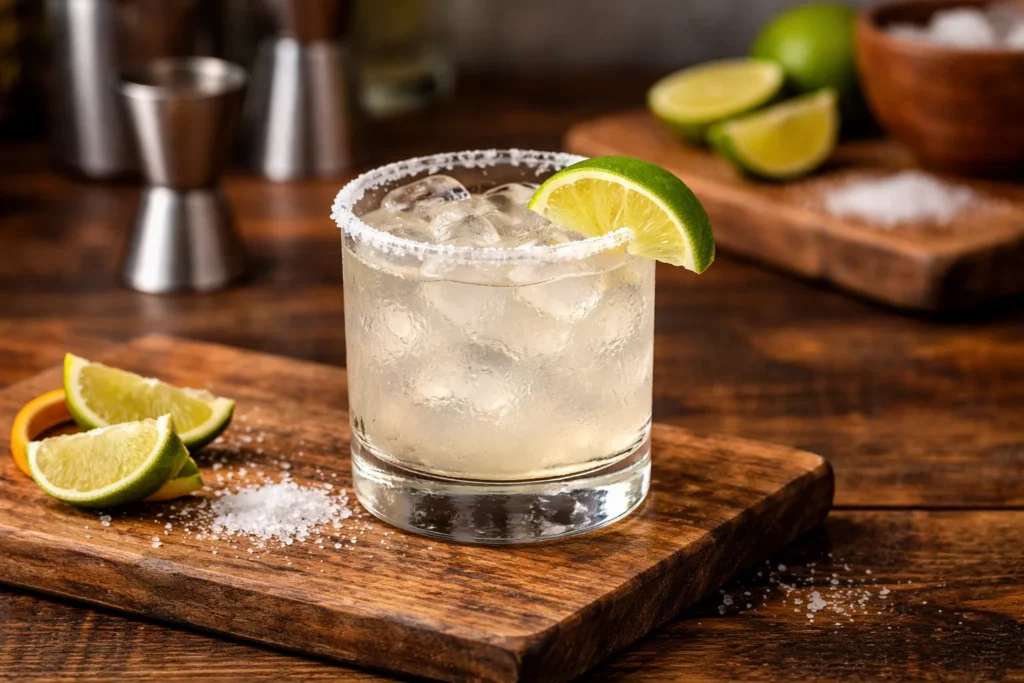
Rocks Glass (My Go-To Choice)
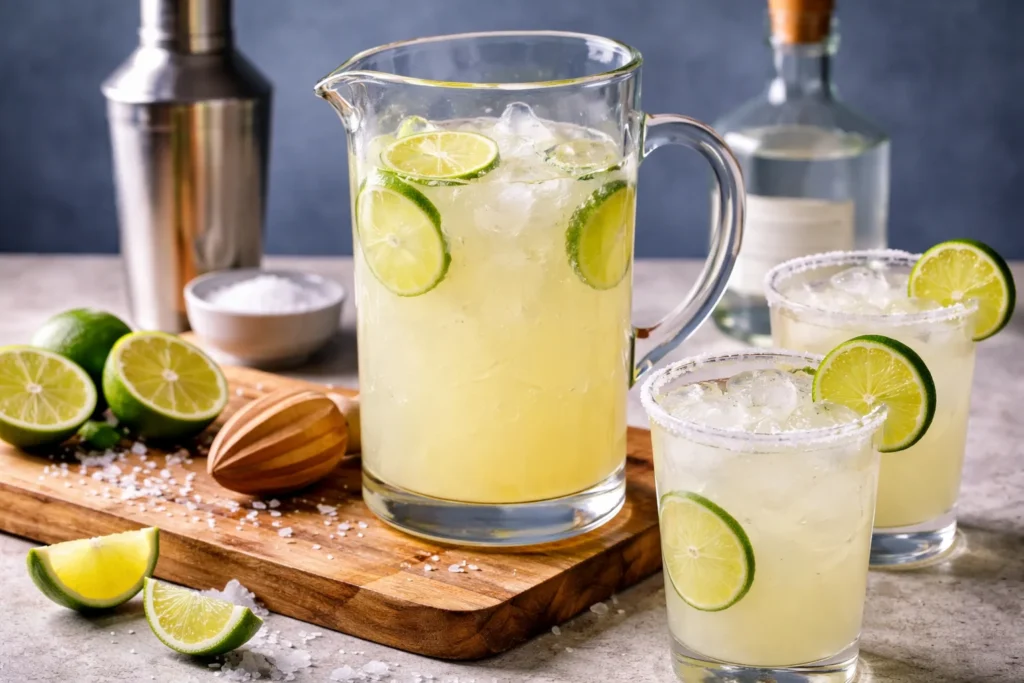
Also called an Old Fashioned glass. Short, sturdy, straight-sided.
Best for: margaritas on the rocks, better dilution control, everyday home use
This is what I reach for most. It’s stable, versatile, and forgiving of an imprecise pour.
Coupe Glass
A shallow, stemmed bowl, narrower than the classic margarita glass.
Best for: margaritas served “up”, shaken with ice, then strained with none in the glass
If you like your margarita spirit-forward and don’t want it diluting further as you drink, this is the shape for that style specifically.
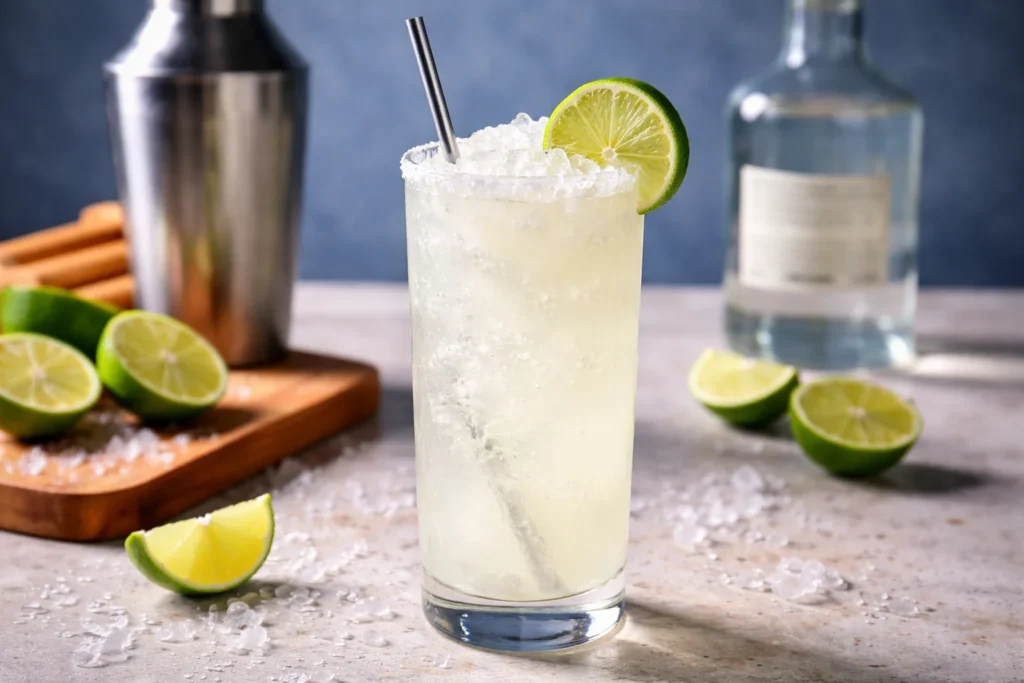
Highball Glass
Tall and slim, meant for longer or lighter drinks.
Best for: frozen margaritas, blended styles with more volume
Stemless Glass
A modern take on the classic bowl shape, minus the stem.
Best for: casual home use, anyone who wants one glass that also works for other cocktails
The tradeoff with any stemless glass is direct: your hand is against the bowl, so body heat warms the drink faster than a stemmed glass would. For a quick weeknight margarita that’s a non-issue. For a slow-sipped one on a hot patio, it’s worth knowing going in.
Shape, Size, and What Actually Changes the Drink
How Shape Changes What You Taste
The wide, open bowl of a classic margarita glass isn’t just for looks:
- Aroma release: a wider rim lets citrus oils open up, so the drink smells more vibrant before the first sip
- Perceived freshness: aroma reaching your nose first makes a margarita taste livelier
- Sipping angle: a broad rim changes how the liquid hits your palate
A narrower glass, like a rocks glass, concentrates aroma instead of releasing it, which reads as a slightly stronger, more focused drink rather than a brighter one.
What Size Do You Actually Need
Margarita glasses generally run from 9 oz to 16 oz, and the size you pick changes how the drink drinks, not just how much it holds:
- 9–10 oz: best for a classic shaken margarita served with little or no ice, keeps the pour proportional and stops the drink looking lonely in a glass that’s too big for it
- 12–14 oz: the sweet spot for most home use, enough room for a full pour over ice with space for a rim and garnish without feeling crowded
- 16 oz: best reserved for frozen margaritas or a heavier ice pour; a standard 2:1:1 pour can look under-filled in a glass this size if you’re not doing frozen
I’ve settled on 12–14 oz for regular rocks-glass margaritas, it’s the size where I stop having to think about it.
Ice, Space, and Dilution
The relationship between glass size and ice is easy to overlook:
- More open space in the glass means more ice fits, and more ice means faster melting
- Faster melting means faster dilution, whether you want it or not
A well-sized glass gives ice enough room to chill the drink without racing to water it down. This is the biggest practical reason the rocks glass outperforms the classic glass for me day to day, it holds ice in closer contact with less headroom for it to sprawl and melt.
If You Make a Lot of Frozen Margaritas
One thing worth knowing even though it’s not a style I use often: double-wall insulated tumblers exist specifically for frozen drinks. You pre-freeze the glass itself for a couple of hours, and the insulation slows how fast a blended margarita turns watery once it’s poured, useful if you’re serving outdoors in summer heat, less necessary if you’re drinking indoors at a normal pace.
Material Changes the Drink Too, Not Just the Shape
Most of this guide is about shape, but the material under your hand matters more than people assume:
- Standard glass is the default for a reason, it’s neutral, doesn’t affect flavor, and is the cheapest way to get a proper margarita glass
- Crystal is lighter and thinner, which means it warms in your hand faster than standard glass, better suited to a quick sip than a slow one
- Stainless steel or double-wall insulated glass holds temperature the longest of the three, which is the whole point if you’re drinking outdoors in the heat, but it hides the drink’s color, which is half the presentation of a margarita
- Plastic doesn’t insulate at all on its own, but it’s the only sensible choice near a pool or on a boat, where a dropped glass becomes a real problem, not just an inconvenience
If you only ever drink indoors at a normal pace, this barely matters. If you’re regularly serving margaritas outside in summer heat, material will change how long the drink stays good more than shape does.
Practical Takeaway
Don’t just focus on ingredients, match the glass to how you actually drink:
- Wide, elegant glass: aroma and presentation
- Compact rocks glass: control, consistency, everyday use
- Coupe: spirit-forward, no-ice pours
- Insulated tumbler: frozen drinks served outdoors
Stemmed vs. Stemless: Which Should You Actually Buy
This is the real decision most people are making when they shop for margarita glasses, so it’s worth answering directly.
The case for stemmed: the stem keeps your hand off the bowl, so body heat doesn’t warm the drink as fast. It also looks more festive and more like the “proper” margarita experience for guests.
The downside: stems are the first thing to snap, whether that’s in a crowded dishwasher or when they’re stacked in a cabinet. They also take up more storage space and aren’t the safest choice on a wobbly outdoor table.
The case for stemless: more stable, easier to store, harder to break, and the glass usually doubles as general cocktail or rocks glassware, which matters if you don’t want a cabinet full of single-purpose glasses.
My take: if you’re hosting and want the full presentation, go stemmed. For everyday drinking, stemless (or a plain rocks glass, which is functionally the same trade-off) wins on practicality without losing much.
How Your Glass Interacts With the 2:1:1 Ratio
A classic margarita’s balance, 2 parts tequila, 1 part fresh lime juice, 1 part orange liqueur, doesn’t change based on the glass you pour it into, but how that balance reads on your palate does:
- A wide glass releases more aroma, so the drink tastes more vibrant even at the same ratio
- A narrower glass concentrates flavor, so the same pour can taste slightly stronger
- More ice in a larger glass means faster dilution, softening the balance over time whether you intended that or not
If you want the full breakdown of the ratio itself, ingredient choices, and step-by-step method, that’s covered in the classic margarita recipe guide, this piece is about what the glass changes, not the recipe itself.
Serving & Presentation Tips
Glassware Choice
- Rocks glass for everyday margaritas
- Classic margarita glass for special occasions
- Coupe for a spirit-forward, no-ice pour
Salting the Rim, Properly
- Run a lime wedge around the rim
- Dip lightly in salt, don’t overcoat it
Garnishes
- Lime wheel or wedge
- Orange peel, for aroma
Keep it simple and intentional rather than decorative for its own sake.
Which Margarita Glass Should You Buy
If you’re building a home bar from scratch, here’s my honest order of operations:
- Start with a good rocks glass, it’s the one you’ll actually reach for on a random Tuesday
- Add classic margarita glasses later, specifically for when you’re hosting
- Consider a coupe if you regularly drink margaritas “up” rather than on the rocks
- Only bother with insulated tumblers if frozen margaritas outdoors are a regular thing for you, not an occasional one
A great margarita comes from balance first, but the right glass stops you from having to fight the drink to get there.
Faqs
Why are margarita glasses so big?
Margarita glasses are often larger than standard cocktail glasses because they are designed to hold drinks that include ice or blended ingredients. Frozen margaritas, in particular, require extra volume for crushed ice, which increases the overall size of the drink. The wide bowl also helps showcase garnishes like a salted rim or lime wedge, while giving the drink room to breathe and maintain its texture. In many cases, the larger size is also part of the drink’s visual appeal, making it feel more festive and generous.
Can you serve a margarita in a coupe glass?
Yes, a margarita can absolutely be served in a coupe glass. While it’s not the traditional choice, a coupe works especially well for margaritas served “up” (shaken with ice and then strained). It provides a more refined presentation and is commonly used in modern cocktail bars. However, it’s not ideal for frozen margaritas or drinks served with a lot of ice, as the smaller capacity and shape are better suited for lighter, spirit-forward cocktails.
Can I use a margarita glass for a martini?
You can use a margarita glass for a martini, but it’s not the best option. Margarita glasses are wider and often larger, which can make the drink feel less balanced and more difficult to handle compared to a traditional martini glass. Martini glasses are specifically designed to keep the drink chilled and concentrated, while margarita glasses are built for drinks with ice or blended textures. If presentation matters, it’s better to use the appropriate glassware, but functionally, it will still work.
What is a margarita glass called?
A margarita glass is simply called a “margarita glass.” It is a type of stemmed cocktail glass with a distinctive, wide, stepped bowl that evolved from the classic coupe glass design. This unique shape helps accommodate salted rims and larger drink volumes, making it especially suited for margaritas. In professional settings, it may also be referred to as a “margarita coupe,” but “margarita glass” is the most widely recognized term.
What glass should Margaritas be served in?
Margaritas can be served in several types of glassware, depending on the style of the drink. The traditional choice is a margarita glass, which is ideal for presentation and salted rims. For a more modern and practical approach, many people prefer a rocks glass (also called an old-fashioned glass) for margaritas served over ice, as it is sturdy and easy to handle. Coupe glasses are another option for strained margaritas without ice. Ultimately, the best glass depends on how the margarita is prepared and the experience you want to create.
References
Margarita Variations & Glassware Notes

Muhammad Hussain is the creator of MargaritaLab.com, where he tests and analyzes margarita recipes, ingredients, and techniques to help readers make better drinks at home. Over time, he has experimented with different tequila types, lime juice variations, and store-bought mixes to understand what actually makes a balanced margarita.
His approach combines hands-on testing with detailed research, focusing on real-world results rather than theory. Whether comparing fresh vs bottled lime juice or reviewing popular margarita mixes, his goal is to simplify the process and share what truly works.