|
Getting your Trinity Audio player ready... |
Ask what tequila to use in a margarita, and the answer is nearly unanimous: blanco, bright and unaged, so it doesn’t compete with the orange liqueur. Ask the same question about a Paloma, and working bartenders don’t agree nearly as much, several go straight for reposado, arguing its caramel and vanilla notes actually round out grapefruit’s bitterness better than a clean blanco does. That’s a genuinely different answer, not just a repeated one with the name changed. I tested blanco, reposado, and añejo side by side in the same Paloma to see which claim actually holds up.
Why Grapefruit Changes the Calculation
A margarita’s citrus (lime) and sweetener (orange liqueur) are both already assertive on their own, that’s why a clean, additive-free blanco works best there: anything else competes with two loud ingredients instead of one. Grapefruit is different. It’s bittersweet rather than purely sour, and that bitterness is exactly the kind of edge a few months of oak aging can round off. That’s the real reason reposado gets a serious look here in a way it almost never does for margaritas.
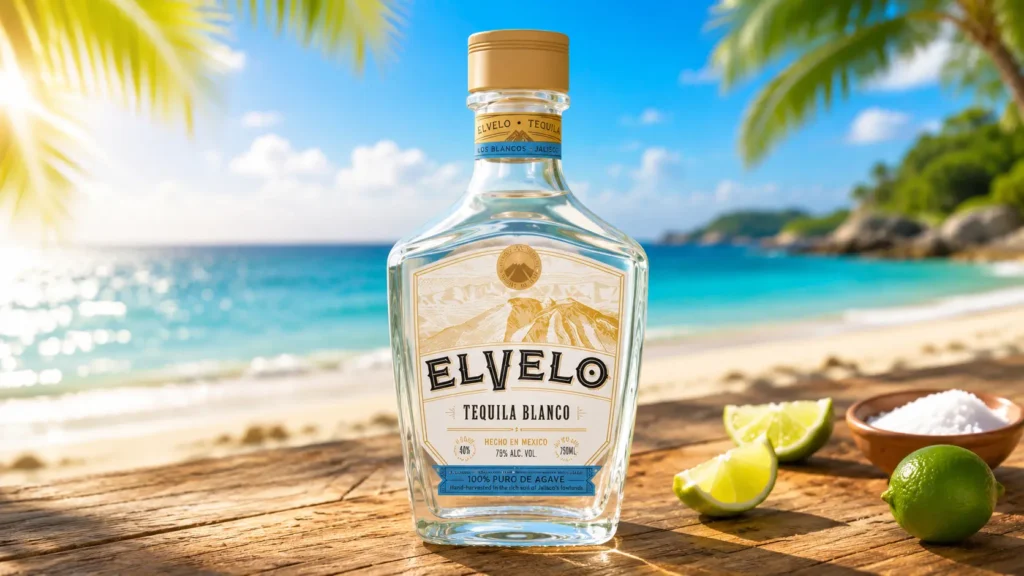
Blanco vs. Reposado vs. Añejo: I Tested All Three
Using the same Paloma recipe, 2 oz tequila, 2 oz fresh grapefruit juice, ½ oz lime, ¼ oz agave, topped with soda water, I made the drink three times, swapping only the tequila.
Blanco: Clean and bright, and the grapefruit came through most clearly. But the drink’s bitterness stayed a little sharp-edged throughout, nothing in the glass was softening it.
Reposado: The caramel and light vanilla notes noticeably took the hard edge off the grapefruit’s bitterness, without masking it. This was the most balanced of the three, and the one I’d actually recommend by default.
Añejo: Too much going on. The deeper oak and dried-fruit notes fought with the grapefruit rather than complementing it, this felt like two strong flavors competing rather than one supporting the other, similar to what I found testing añejo against other mixers in what mixes well with tequila.
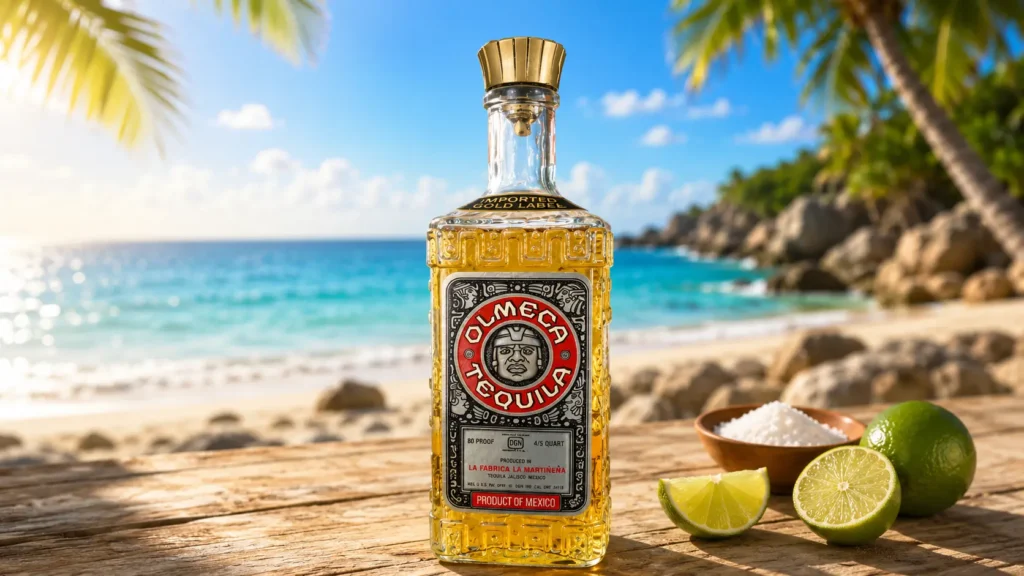
Verdict: reposado is the better default for a Paloma specifically, which is the opposite of the standard advice for margaritas. Blanco isn’t wrong, it’s just the sharper, more assertive version of the drink rather than the more balanced one.
What to Actually Buy
The same purity principle that matters for margaritas, 100% agave, additive-free where possible, applies here too; the full explanation of why that matters more than price is covered in choosing the best tequila for margaritas. For a Paloma specifically, based on both my own testing and what working bartenders consistently point to:
Best blanco: Tequila Ocho is the name that comes up most often among bartenders for exactly this drink, it’s terroir-driven, additive-free verified, and has enough texture to avoid getting lost under grapefruit. Fortaleza Blanco is a strong second, with a peppery quality bartenders specifically credit for cutting through the citrus rather than disappearing into it.
Best reposado: Cazadores Reposado and Casamigos Reposado both come up repeatedly for the same reason, real caramel and vanilla depth from barrel time, without pushing so far into oak that it stops tasting like tequila.
Worth trying, not a default: an añejo like Gran Centenario, if you specifically want a richer, more dessert-like Paloma. Treat this as the exception, not the rule, my own testing found añejo the least balanced of the three in a standard build.
Adjusting the Recipe if You Switch to Reposado
Reposado’s natural sweetness means you can usually cut the agave slightly, start with a scant ⅛ oz less than you would with blanco, and adjust from there. If you want the full recipe and ratio, that’s covered in the Paloma recipe.
FAQs
Is blanco or reposado better for a Paloma?
Based on side-by-side testing, reposado edges out blanco for most people, since its caramel and vanilla notes soften grapefruit’s natural bitterness. Blanco isn’t wrong, it makes a brighter, more assertive drink, but it’s not the automatic default the way it is for a margarita.
Why do margaritas and Palomas need different tequilas?
A margarita’s other ingredients (lime, orange liqueur) are both already bold, so a clean blanco avoids adding a third competing flavor. A Paloma’s grapefruit is bittersweet rather than purely sour, and that bitterness responds well to a little oak-derived roundness, which is why reposado performs differently here than it does in a margarita.
What’s the best budget tequila for a Paloma?
Milagro Silver and Corazón Blanco are both frequently cited by bartenders as solid, inexpensive options that hold their own against grapefruit without needing a premium price tag.
Can I use añejo in a Paloma?
You can, and it makes a richer, more dessert-like drink, but it’s the least balanced of the three tequila types in standard testing, the deeper oak and dried-fruit notes tend to compete with grapefruit rather than complement it. Better suited to an occasional variation than a everyday default.
Does the tequila brand matter more for a Paloma than a margarita?
Somewhat, yes, since a Paloma has fewer ingredients competing for attention than a margarita does, the tequila’s own character comes through more directly. A additive-heavy or thin-tasting bottle has less to hide behind here.
References
8 Tequilas That Are Perfect for a Paloma, Forbes
8 Best Tequilas for a Paloma, According to Bartenders, Food & WineThe Best Tequila Brands for a Paloma, According to Bartenders, PUNCH

Muhammad Hussain is the creator of MargaritaLab.com, where he tests and analyzes margarita recipes, ingredients, and techniques to help readers make better drinks at home. Over time, he has experimented with different tequila types, lime juice variations, and store-bought mixes to understand what actually makes a balanced margarita.
His approach combines hands-on testing with detailed research, focusing on real-world results rather than theory. Whether comparing fresh vs bottled lime juice or reviewing popular margarita mixes, his goal is to simplify the process and share what truly works.