|
Getting your Trinity Audio player ready... |
When I first started making margaritas at home, I obsessed over tequila brands and lime quality, but I completely overlooked one key element: the margarita glass. It turns out, the glass you choose doesn’t just affect presentation; it influences aroma, temperature, dilution, and even how balanced your drink feels.
Over time, I’ve tested everything from classic stemmed glasses to simple rocks glasses. In this guide, I’ll walk you through how to choose the best margarita glass, while also showing you how to make a perfectly balanced margarita, avoid common mistakes, and elevate your home bartending game.
Best Margarita Glasses (Tested & Ranked)
| Rank | Glass Type | Best For | Pros | Cons | My Verdict |
|---|---|---|---|---|---|
| #1 | Rocks Glass | Everyday margaritas | Stable, easy to use, controls dilution well, versatile | Less “classic” presentation | Best overall choice for home bartenders |
| #2 | Classic Margarita Glass | Presentation & special occasions | Wide rim enhances aroma, iconic look, great for serving guests | Spills easily, not very practical for daily use | Best for aesthetics and hosting |
| #3 | Coupe Glass | No-ice (up) margaritas | Elegant, prevents over-dilution, balanced sipping experience | Smaller capacity, not ideal for beginners | Best for refined cocktails |
| #4 | Highball Glass | Frozen or lighter margaritas | Holds more volume, great for blended drinks | Less aroma concentration, weaker flavor perception | Best for frozen margaritas |
| #5 | Stemless Glass | Casual home use | Comfortable grip, modern look, less risk of tipping | Can warm up quickly, less control over temperature | Best for casual settings |
In my experience, the rocks glass consistently delivers the most balanced margarita for daily use, while the classic margarita glass is better suited for presentation.
Why the Right Margarita Glass Matters
A margarita isn’t just about ingredients, it’s about experience. The right glass:
- Enhances aroma (wide rims help citrus notes shine)
- Maintains temperature (thicker glass slows warming)
- Controls dilution (ice melt behaves differently depending on glass shape)
- Improves presentation (which genuinely affects perception of taste)
While the iconic wide-rimmed margarita glass is visually appealing, it’s not always the most practical choice. Let’s break that down.
Types of Margarita Glasses
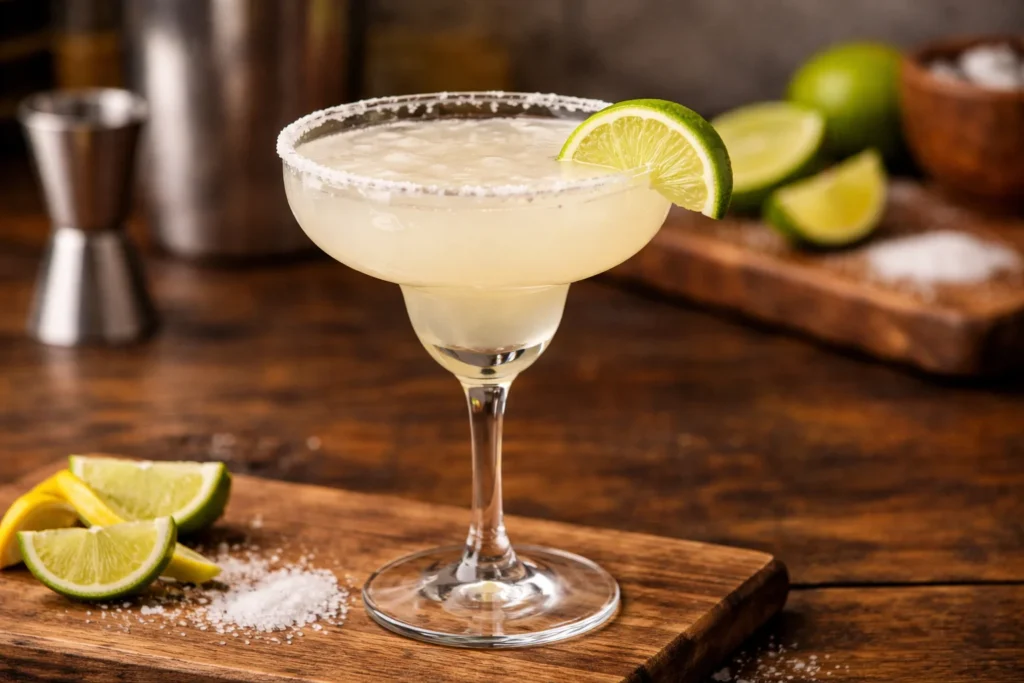
Classic Margarita Glass (Coupe-Style Bowl)
This is the traditional “sombrero-shaped” glass.
Best for:
- Serving classic margaritas without ice (straight up)
- Presentation-heavy occasions
Limitations:
- Spills easily
- Not ideal for beginners
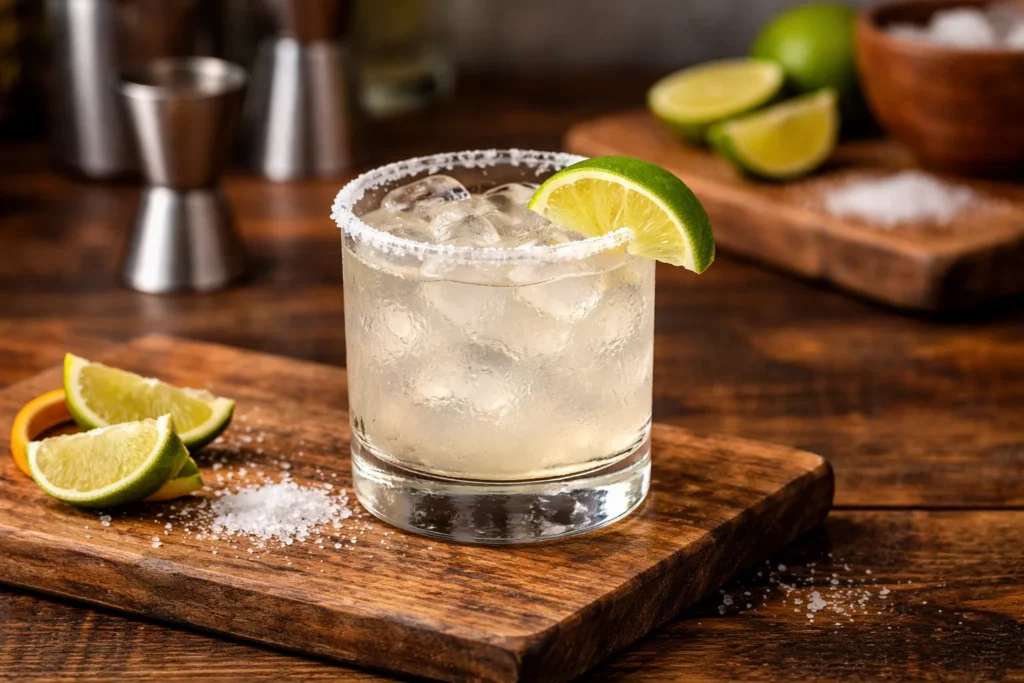
Rocks Glass (My Go-To Choice)
Also called an Old Fashioned glass.
Best for:
- Margaritas on the rocks
- Better control over dilution
- Everyday home use
This is what I personally recommend for most home bartenders. It’s stable, versatile, and forgiving.
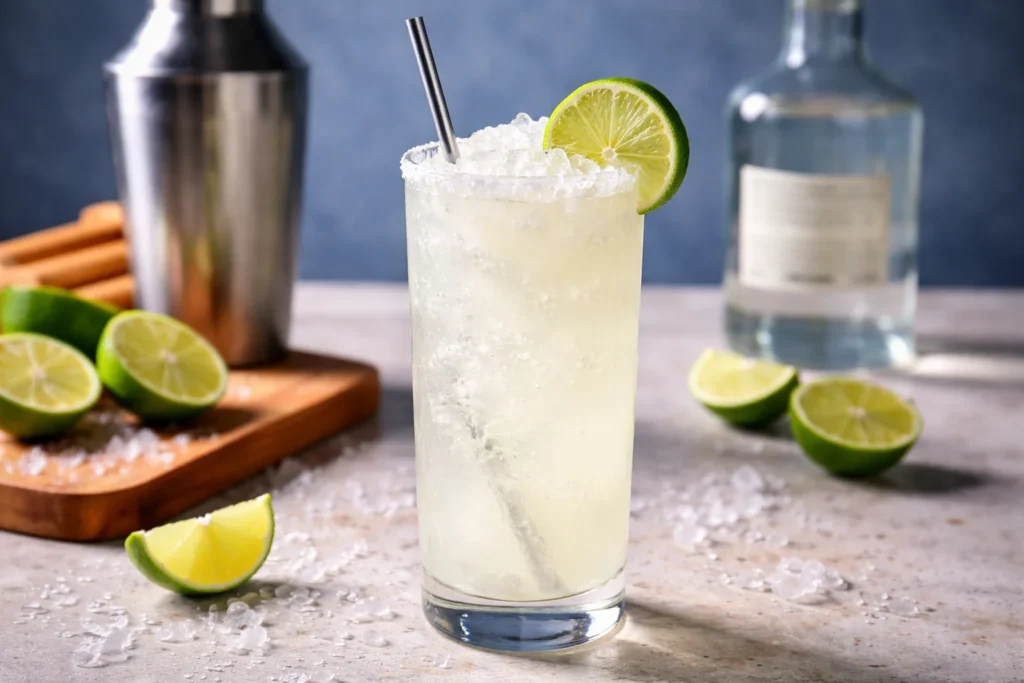
Highball Glass
Tall and slim.
Best for:
- Frozen margaritas
- Lighter, longer drinks
The Importance of Shape & Size in a Margarita Glass
When I started paying closer attention to glassware, I realized that the shape and size of a margarita glass directly affect how the drink smells, tastes, and even how long it stays balanced.
How Shape Influences the Flavor
The wide, open bowl of a classic margarita glass isn’t just for looks, it plays a functional role:
- Aroma release: A wider rim allows the bright citrus oils from fresh lime juice to open up, making the drink smell more vibrant.
- Perceived freshness: When aroma hits your nose first, the margarita tastes more lively and balanced.
- Sipping experience: A broad rim changes how the liquid hits your palate, often making the drink feel smoother.
In contrast, a narrower glass (like a rocks glass) slightly concentrates aromas, which can make the margarita taste a bit stronger and more focused.
Why Size Matters More Than You Think
Glass size impacts portion control and dilution, which are critical in a well-balanced margarita.
- Larger glasses
- Encourage over-pouring
- Require more ice: faster dilution
- Can weaken flavor if not balanced properly
- Smaller glasses
- Keep ratios tight and consistent
- Maintain structure and intensity
- Help you serve a more controlled, professional-quality drink
I’ve found that a 10–12 oz glass is the sweet spot for most home bartenders.
Ice, Space, and Dilution Control
The relationship between glass size and ice is often overlooked:
- More space: more ice: more melting
- More melting: higher dilution over time
In a properly sized margarita glass, you get just enough room for ice to chill the drink without watering it down too quickly.
Practical Takeaway
If you want better margaritas at home, don’t just focus on ingredients, match your glass to your drink style:
- Use a wide, elegant margarita glass for aroma and presentation
- Use a compact rocks glass for control, consistency, and everyday drinking
Once you start paying attention to shape and size, you’ll notice your margaritas taste more balanced, even when the recipe stays exactly the same.
Understanding the Margarita Flavor Balance
A great margarita is built on four elements:
- Strong: tequila
- Sour: lime juice
- Sweet: orange liqueur or sweetener
- Dilution: ice + shaking
The classic structure I rely on is the 2:1:1 ratio:
- 2 parts tequila
- 1 part fresh lime juice
- 1 part orange liqueur
This balance creates a drink that’s bright, crisp, and refreshing. But here’s the key: your glass choice affects how this balance feels.
- A wide glass releases more citrus aroma: tastes more vibrant
- A smaller glass concentrates flavors: tastes stronger
- More ice = more dilution: softer flavor
Ingredient: What Actually Matters
Tequila Types
- Blanco: Clean, sharp, citrus-friendly (best for classic margaritas)
- Reposado: Slightly aged, smoother, adds depth
- Añejo: Rich and oaky, not typical but works in premium versions
Orange Liqueur Options
- Triple sec (light and crisp)
- Cointreau (balanced and refined)
- Grand Marnier (richer, slightly heavier)
Each changes the sweetness and body of your drink.
Fresh Lime Juice vs Bottled
I’ll be direct: always use fresh lime juice.
Bottled juice lacks brightness and often tastes flat or slightly bitter. Fresh juice gives your margarita that signature sharp, vibrant edge.
How to Make a Margarita (Step-by-Step)
Here’s the exact method I use at home:
Ingredients
- 2 oz tequila
- 1 oz fresh lime juice
- 1 oz orange liqueur
- Ice
Steps
- Fill a shaker with ice
- Add all ingredients
- Shake hard for 10–15 seconds
- Strain into your chosen margarita glass
- Serve immediately
Common Mistakes to Avoid
- Not shaking enough (leads to poor dilution)
- Using bottled lime juice
- Overloading with sweeteners
- Serving in warm glassware
Texture Matters: Frozen vs On-the-Rocks
On-the-Rocks Margarita
- Crisp and refreshing
- Easier to control dilution
- Best in a rocks glass
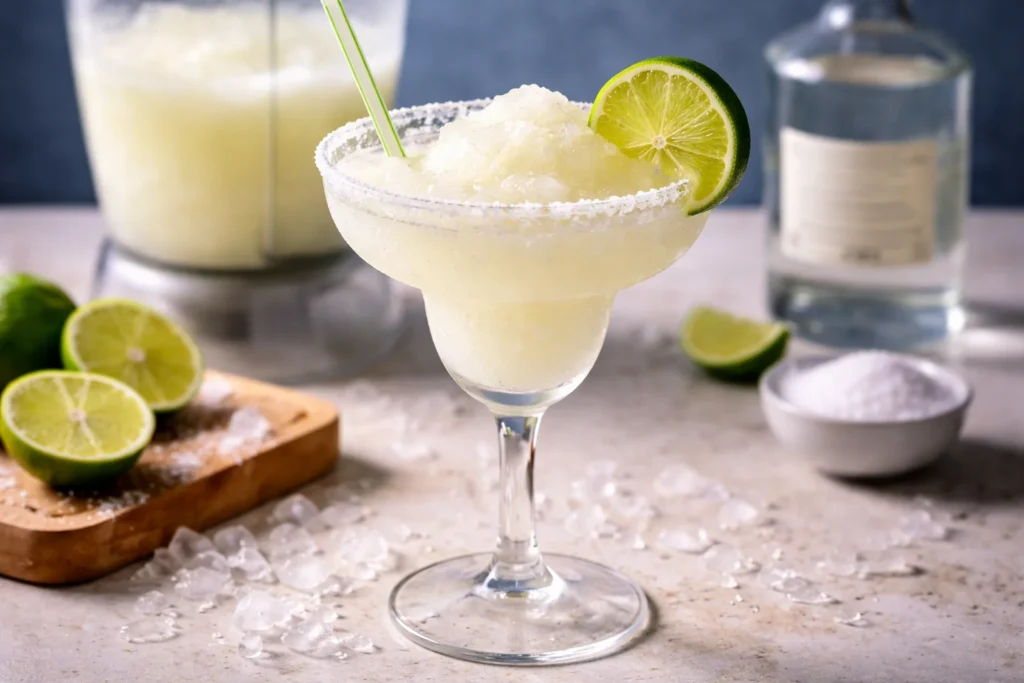
Frozen Margarita
- Slushy texture
- Colder but can dilute quickly
- Requires careful blending
Pro tip: Frozen margaritas often taste weaker because melting ice dilutes them faster.
The Flavor Variations
Once you master the base recipe, you can explore:
- Fruit margaritas: Mango, strawberry, pineapple
- Spicy margaritas: Add jalapeño slices
- Skinny margaritas: Reduce sugar, use minimal sweetener
- Premium margaritas: Upgrade tequila and liqueur
Each variation still relies on the same balance of sweet, sour, strong, and dilution.
What NOT to Do
If your margaritas don’t taste right, one of these is usually the reason:
- Using cheap pre-made mixes
- Skipping fresh citrus
- Adding too much sugar
- Not measuring ingredients
- Ignoring dilution
These mistakes flatten flavor and destroy balance.
Troubleshooting Your Margarita
Even experienced home bartenders need quick fixes:
| Problem | Quick Fix |
|---|---|
| Too Sour | Add a small splash of orange liqueur or a touch of agave syrup |
| Too Sweet | Add more fresh lime juice |
| Too Strong | Shake again with fresh ice to increase dilution |
| Too Watery | Use less ice or shake for less time next round |
Serving & Presentation Tips
Presentation enhances the drinking experience more than most people realize.
Glassware Choice
- Use a rocks glass for everyday margaritas
- Use a classic margarita glass for special occasions
Salting the Rim (Proper Way)
- Run a lime wedge around the rim
- Dip lightly in salt (don’t overcoat)
Garnishes
- Lime wheel or wedge
- Orange peel (for aroma)
Keep it simple and intentional.
Party Batching Tips (For Groups)
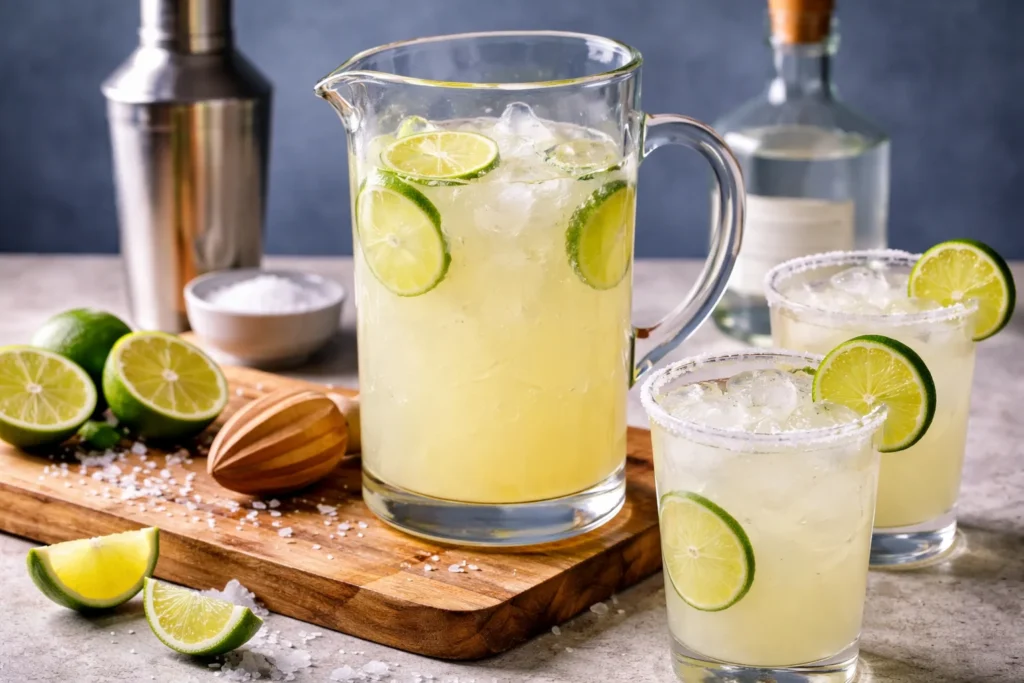
When making margaritas for a crowd, batching saves time.
Batch Ratio
- 2 cups tequila
- 1 cup lime juice
- 1 cup orange liqueur
How I Do It
- Mix everything ahead of time
- Chill the mixture
- Shake individual servings with ice before serving
This keeps the drink fresh and properly diluted.
Final Thoughts: Choosing the Best Margarita Glass
If you’re building a home bar, here’s my honest advice:
- Start with a good rocks glass
- Add classic margarita glasses later for presentation
- Focus more on technique than aesthetics
A great margarita comes from balance, not just the glass, but the right glass enhances everything.
Try It Yourself
Now it’s your turn.
Experiment with:
- Different tequila styles
- Various orange liqueurs
- Glass types
Try the same recipe in different glasses, you’ll actually taste the difference.
If you find a version you love, stick with it. That’s how every great home bartender develops their signature margarita.
Tell Your Story
Community Insights on Reddit
While researching and refining my margarita technique, I also explored discussions from real bartenders and home mixology enthusiasts on Reddit. These conversations often highlight practical challenges that many people face, but don’t always talk about in guides.
In one discussion, a user asked about drinks they frequently forget or confuse, mentioning classics like the Last Word, Aviation, and especially the Mai Tai. This reflects a common issue: even experienced drink makers struggle to retain recipes when they don’t follow a clear structure.
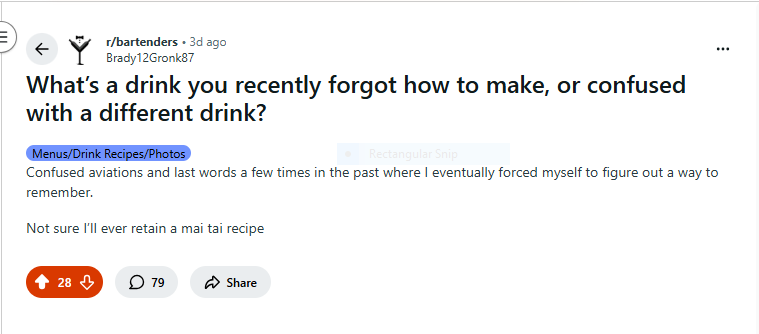
In my response, I pointed out the same challenge, mixing up similar cocktails and forgetting specific builds. This is exactly why understanding core cocktail ratios, like the margarita’s 2:1:1 structure, is so important. Once you learn the framework behind a drink, it becomes much easier to remember and recreate consistently.

Key Takeaway
Most cocktail confusion doesn’t come from complexity; it comes from a lack of structure. When you understand the balance of strong, sour, sweet, and dilution, you don’t just memorize recipes; you internalize them.
Faqs
Why are margarita glasses so big?
Margarita glasses are often larger than standard cocktail glasses because they are designed to hold drinks that include ice or blended ingredients. Frozen margaritas, in particular, require extra volume for crushed ice, which increases the overall size of the drink. The wide bowl also helps showcase garnishes like a salted rim or lime wedge, while giving the drink room to breathe and maintain its texture. In many cases, the larger size is also part of the drink’s visual appeal, making it feel more festive and generous.
Can you serve a margarita in a coupe glass?
Yes, a margarita can absolutely be served in a coupe glass. While it’s not the traditional choice, a coupe works especially well for margaritas served “up” (shaken with ice and then strained). It provides a more refined presentation and is commonly used in modern cocktail bars. However, it’s not ideal for frozen margaritas or drinks served with a lot of ice, as the smaller capacity and shape are better suited for lighter, spirit-forward cocktails.
Can I use a margarita glass for a martini?
You can use a margarita glass for a martini, but it’s not the best option. Margarita glasses are wider and often larger, which can make the drink feel less balanced and more difficult to handle compared to a traditional martini glass. Martini glasses are specifically designed to keep the drink chilled and concentrated, while margarita glasses are built for drinks with ice or blended textures. If presentation matters, it’s better to use the appropriate glassware, but functionally, it will still work.
What is a margarita glass called?
A margarita glass is simply called a “margarita glass.” It is a type of stemmed cocktail glass with a distinctive, wide, stepped bowl that evolved from the classic coupe glass design. This unique shape helps accommodate salted rims and larger drink volumes, making it especially suited for margaritas. In professional settings, it may also be referred to as a “margarita coupe,” but “margarita glass” is the most widely recognized term.
What glass should Margaritas be served in?
Margaritas can be served in several types of glassware, depending on the style of the drink. The traditional choice is a margarita glass, which is ideal for presentation and salted rims. For a more modern and practical approach, many people prefer a rocks glass (also called an old-fashioned glass) for margaritas served over ice, as it is sturdy and easy to handle. Coupe glasses are another option for strained margaritas without ice. Ultimately, the best glass depends on how the margarita is prepared and the experience you want to create.
Why You Can Trust This Advice
This article is based on classic cocktail structure, including the traditional 2:1:1 sour ratio used in margaritas and other sour-style drinks. The techniques and recommendations come from established bartending practices, culinary principles, and widely accepted mixology standards used in professional hospitality settings.
The guidance reflects real-world experience, focusing on balance (sweet, sour, strong, dilution), proper shaking technique, ingredient quality, and practical home bartending methods to help you consistently make better margaritas.
References
Margarita Variations & Glassware Notes

MargaritaLab.com is created and managed by Muhammad Hussain, an SEO specialist with several years of experience in research-driven content creation. With a focus on the Margarita Recipe niche, he combines data-backed insights, careful testing, and clear explanations to make margarita recipes easy to understand and enjoyable for readers at every level.