|
Getting your Trinity Audio player ready... |
If you’ve ever stood in front of a liquor shelf wondering which tequila actually makes a great margarita, I’ve been there too. After testing dozens of bottles over the years, I keep coming back to Espolòn Tequila, especially when I want a reliable, balanced, and affordable margarita that tastes like it came from a proper bar.
In this guide, I’ll walk you through exactly how I use espolòn tequila in a margarita recipe, how to get the flavor balance right, and what to avoid if you want consistently great results.
Types of Espolòn Tequila
If you really want to understand how espolòn tequila performs in margaritas, you need to know the differences between its core expressions. I’ve worked with most of these, and each one brings a slightly different personality to the glass.
1. Blanco Tequila: My Go-To for Margaritas
This is the purest expression of espolòn tequila, and the one I reach for most often.
It’s unaged, which means you get a clean, direct agave flavor without any influence from wood. In my experience, it tastes smooth, bright, and slightly peppery, with just enough citrus character to blend perfectly into a margarita.
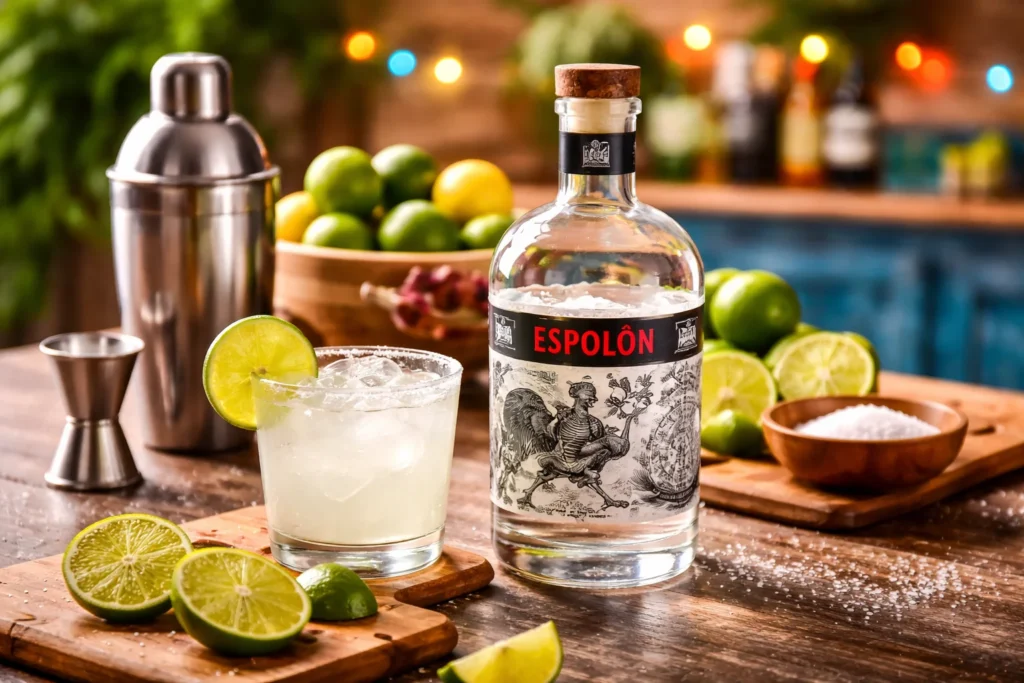
If you’re making a classic margarita recipe, this is your best choice. It keeps the drink crisp, fresh, and well-balanced without overpowering the lime.
2. Añejo Tequila: Best for Sipping, Not Mixing
This version is aged in oak barrels and then finished in bourbon barrels, which adds a lot more depth.
You’ll notice richer flavors here, think vanilla, caramel, and warm spice layered over the agave base. It’s smooth and complex, and honestly, it feels more like a sipping tequila than a cocktail ingredient.
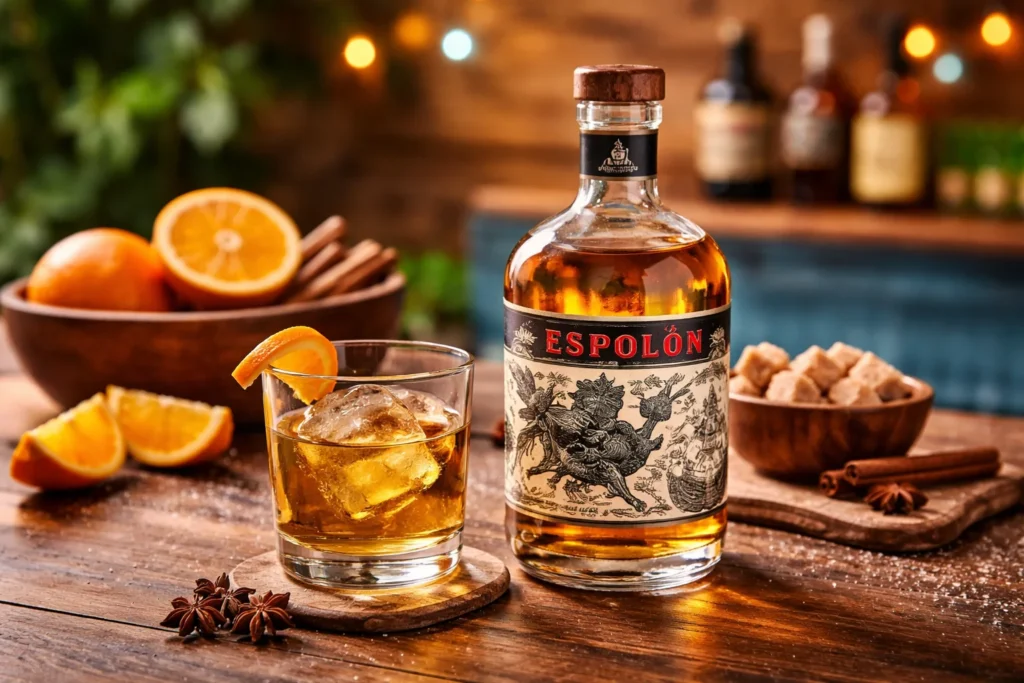
I don’t usually use this in margaritas. It’s better enjoyed neat or with a single ice cube where you can appreciate its character.
3. Reposado Tequila: A Balanced Middle Ground
Reposado sits right between blanco and añejo, and it’s incredibly versatile.
It’s aged for a short time in oak barrels, which softens the sharp edges of the agave while adding subtle notes of vanilla and spice. You still get freshness, but with a slightly warmer, rounder finish.
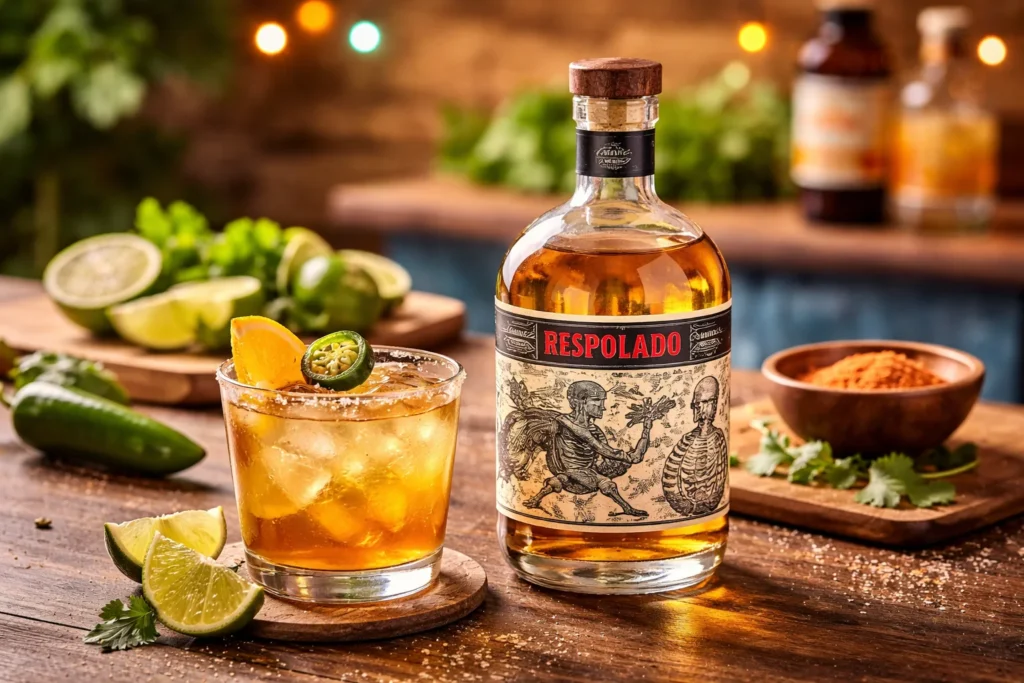
This is a fantastic option if you want a smoother, slightly richer margarita. Some bartenders even prefer it over blanco for that reason.
4. Cristalino Tequila: Smooth with a Twist
Cristalino is a more modern style, and it’s quite interesting.
It starts as an aged tequila (like añejo or extra añejo), but then it’s filtered, usually through charcoal, to remove the color while keeping the flavor. The result is clear like a blanco but smoother and more refined.
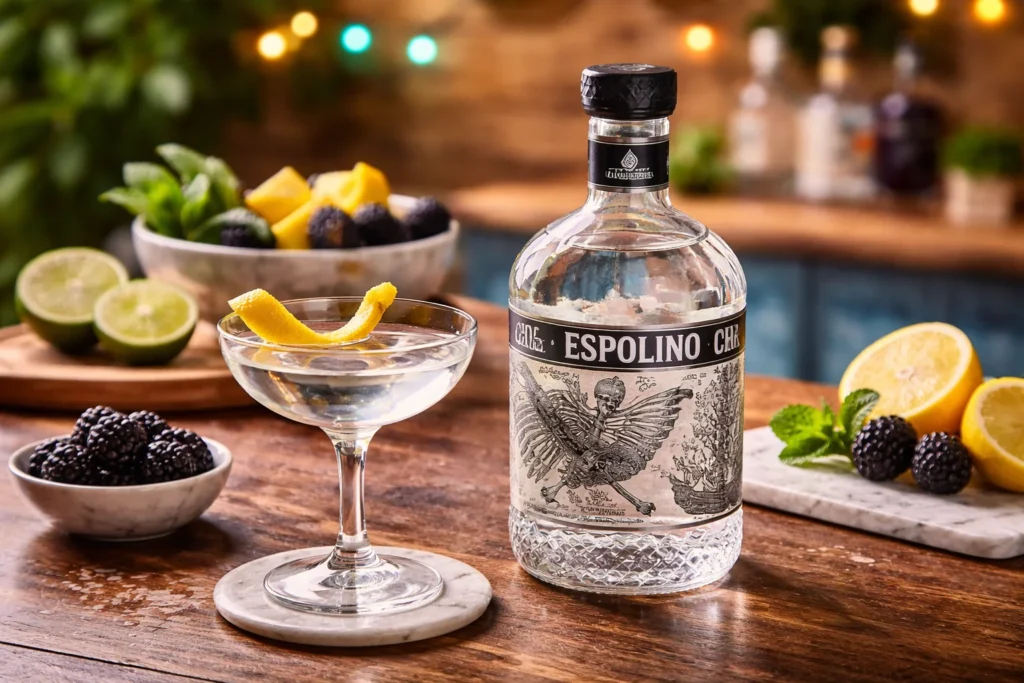
It’s elegant and easy to drink, but I see it more as a premium sipping option. You can use it in cocktails, but it’s not where it shines most.
5. Reposado Chardonnay Tequila: Unique & Hard to Find
This one is a bit special and not widely available outside Mexico.
It’s aged first in American oak and then finished in Chardonnay barrels, which adds a subtle wine-like complexity. You get layered flavors, light fruit, soft oak, and a gentle sweetness that’s quite different from standard tequila profiles.
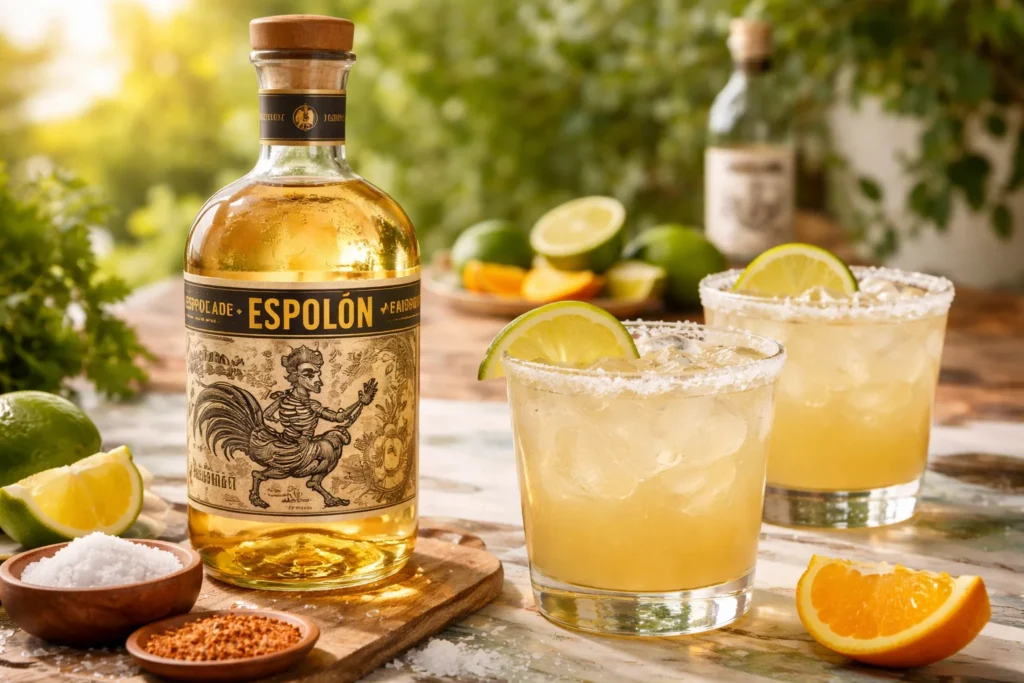
This is more for exploration than everyday mixing. If you can find it, try it neat first. It’s unique, and I wouldn’t mask it in a margarita unless you’re experimenting.
Recommendation From My Experience
- Best for margaritas: Blanco
- Best for smoother margaritas: Reposado
- Best for sipping: Añejo & Cristalino
- Best for experimenting: Reposado Chardonnay
Understanding these types completely changes how you approach your margarita recipe. Once you match the right tequila style to your goal, your drinks instantly feel more intentional and professional.
The History Behind Espolòn Tequila: A Reviewer’s Perspective
When I look at espolòn tequila beyond just the taste, what stands out is the intention behind it. This isn’t just another bottle on the shelf, it’s a brand built with a clear vision rooted in both tradition and creativity.
Built in the Highlands of Jalisco
Espolòn’s story begins in Los Altos de Jalisco, one of Mexico’s most respected tequila-producing regions. In 1996, master distiller Cirilo Oropeza set out to create something that reflected both the heritage and the evolving identity of tequila.
He established the distillery known as Casa San Nicolas (NOM-1440), located at a higher altitude. That detail matters more than it seems, highland agave typically develops sweeter, more complex flavors, which you can actually notice when you taste the tequila.
You can tell this wasn’t built as a mass-production project. It feels like it started with a craftsman’s mindset, respecting tradition while still pushing forward.
Where Tradition Meets Innovation
What I appreciate most about Cirilo’s approach is balance. He didn’t try to reinvent tequila from scratch, nor did he blindly follow old methods.
Instead, he kept the core traditional processes intact, like using 100% Blue Weber agave, while refining techniques to improve consistency, flavor, and overall quality.
That balance shows up in the final product. Espolòn tequila feels authentic, but not outdated. It’s approachable, but still has depth.
The Meaning Behind the Name
The name “Espolòn” translates to “spur,” like the spur used by a rooster. It symbolizes movement, energy, and pushing forward.
To me, that idea carries through the entire brand. It represents a kind of creative drive, something that encourages progress while staying connected to cultural roots.
A Spirit That Reflects Mexican Culture
Espolòn leans heavily into Mexican identity, not in a superficial way, but in a way that celebrates art, music, and community.
From the label designs to the overall brand tone, it feels expressive and bold rather than overly polished or corporate.
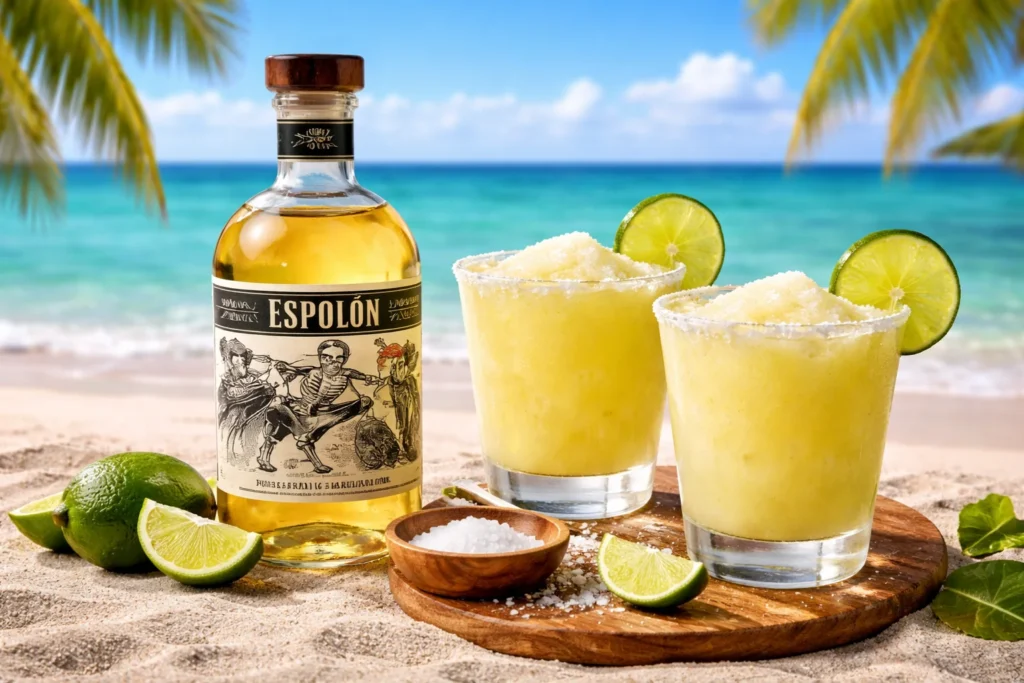
It’s one of the few tequila brands that actually feels like it has personality. That makes a difference, especially when you’re choosing a bottle for more than just mixing.
A Lasting Legacy
Cirilo Oropeza passed away in 2020, but his influence is still very much present in every bottle of espolòn tequila.
His work continues through the brand’s commitment to quality and creativity. It’s the kind of legacy you don’t just read about, you can taste it.
Knowing the story behind the tequila adds another layer of appreciation. It turns a simple margarita into something a bit more meaningful.
Final Thoughts on the History
From my perspective, espolòn tequila stands out because it was built with intention from day one. It respects where tequila comes from, but it isn’t afraid to express something new.
And honestly, that combination, heritage plus character, is exactly why it works so well, whether you’re sipping it neat or shaking it into a margarita.
What Makes Espolòn Tequila Different
Over time, I’ve realized espolòn tequila isn’t just about branding, it’s about how it’s made and where it comes from.
High-Altitude Agave Makes a Difference
Espolòn uses agave grown in the highlands of Jalisco. From my experience, this usually leads to a slightly sweeter, fruitier profile compared to lowland agave.
Production Choices That Impact Flavor
One detail that often gets overlooked is how the agave is processed. Techniques like cutting the agave hearts in specific ways can subtly increase sweetness and balance.
A Strong Cultural Identity
Espolòn leans heavily into Mexican culture, not just visually but in how the brand presents itself. It feels expressive rather than generic.
Consistency You Can Rely On
This is something I value a lot, every bottle of espolòn tequila delivers a consistent experience, which is crucial when making cocktails regularly.
Is Espolòn Tequila Good for Margaritas?
After testing espolòn tequila across multiple margarita styles, I can confidently say it performs exceptionally well, especially for its price range.
What stands out to me is the balance. The blanco version brings a clean agave flavor with a light peppery edge, which cuts through lime juice without getting lost. At the same time, it doesn’t overpower the drink, which is a common issue with harsher tequilas.
I’ve also tried it in different formats:
- Classic margarita: bright and well-balanced
- Tommy’s-style margarita: clean and slightly richer
- Frozen margarita: still holds its flavor
If I switch to reposado, the drink becomes slightly smoother and warmer, which some people actually prefer.
Finally
Yes, espolòn tequila is genuinely a great choice for margaritas. It’s affordable, consistent, and versatile enough for both beginners and experienced home bartenders.
Why I Use Espolòn Tequila for Margaritas
Espolòn is made in Jalisco, Mexico, the heart of tequila production, using 100% blue agave. That matters because it gives your margarita a clean, authentic agave flavor instead of the harsh burn you get from mixto tequilas.
What I personally notice when using espolòn tequila:
- A bright, slightly peppery profile
- Subtle citrus and vanilla notes
- Smooth enough for sipping, but bold enough for cocktails
It hits the sweet spot between quality and price, which is exactly what you want for home bartending.
Understanding the Margarita Flavor Balance
Before you even start mixing, you need to understand why a margarita works. Every good margarita recipe follows a simple structure:
- Strong: Tequila (espolòn tequila in this case)
- Sour: Fresh lime juice
- Sweet: Orange liqueur (like triple sec)
- Dilution: Ice (this softens the drink and blends flavors)
The classic ratio I rely on is:
- 2 parts tequila
- 1 part lime juice
- 1 part orange liqueur
How Taste Changes with Ratios
- Too much lime: overly sour, sharp
- Too much triple sec: overly sweet, flat
- Too much tequila: harsh and unbalanced
- Too little dilution: aggressive alcohol burn
Once you understand this, you can adjust confidently instead of guessing.
Ingredient Breakdown
1. Tequila: Why Espolòn Works So Well
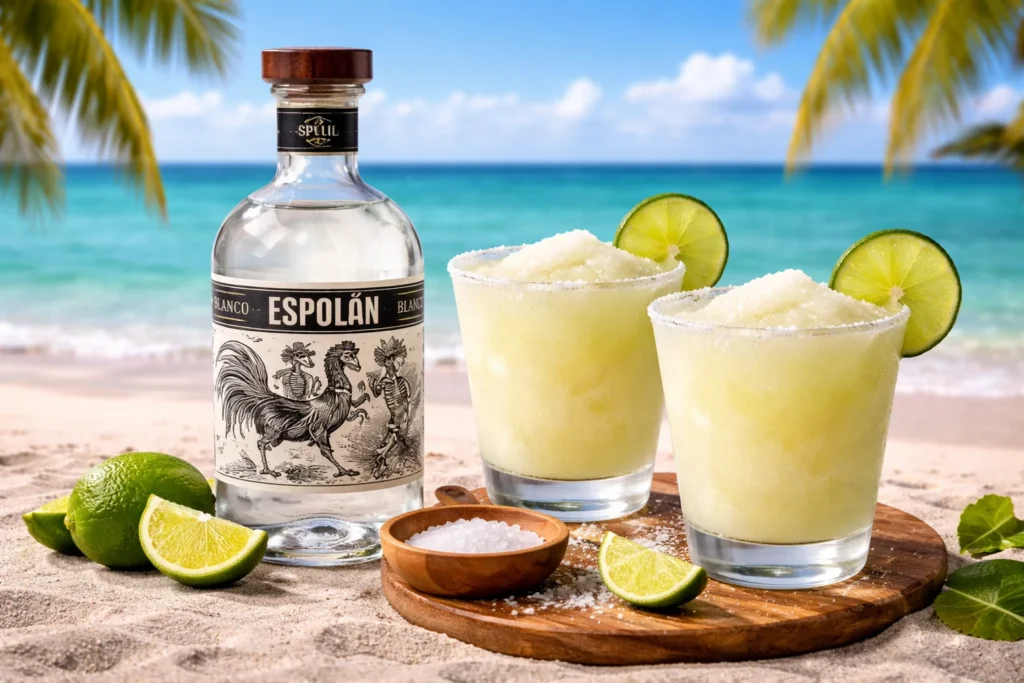
For margaritas, I always recommend Blanco tequila, and espolòn tequila blanco is a perfect example.
- Clean and crisp
- No heavy oak influence
- Lets citrus shine
Reposado can work too, but it adds a slightly oaky, richer note.
2. Orange Liqueur (Triple Sec Options)
Your choice of orange liqueur affects sweetness and depth.
- Budget: Triple sec (lighter, sweeter)
- Mid-range: Cointreau (balanced, crisp)
- Premium: Grand Marnier (richer, brandy-based)
I usually pair espolòn tequila with Cointreau for a clean, balanced margarita.
3. Fresh Lime Juice vs Bottled
This is non-negotiable in my experience.
- Fresh lime juice: bright, vibrant, natural acidity
- Bottled juice: dull, slightly bitter, inconsistent
If you want a real margarita, always squeeze fresh limes.
Step-by-Step: How to Make a Margarita Properly
Here’s exactly how I make it at home.
Ingredients:
- 2 oz espolòn tequila
- 1 oz fresh lime juice
- 1 oz orange liqueur
- Ice
- Optional: pinch of salt or agave syrup
Instructions:
- Fill a shaker with ice
- Add tequila, lime juice, and orange liqueur
- Shake hard for 10–15 seconds
- Strain into a glass (salted rim optional)
- Add fresh ice or serve up
Why I Keep Coming Back to Espolòn Tequila
After trying countless bottles, espolòn tequila remains one of my go-to choices because it delivers:
- Consistent quality
- Balanced agave flavor
- Great value for money
It’s one of the few tequilas that works equally well for beginners and experienced home bartenders.
Try It Yourself
Now it’s your turn.
Start with the classic margarita recipe using espolòn tequila, then tweak it:
- Adjust sweetness
- Try a spicy version
- Experiment with fruit
Once you find your version, you’ll never go back to store-bought mixes.
If you try a variation, I’d genuinely love to hear what worked for you.
Share Your Story with Us
Community Insights on Reddit
When researching tequila choices, I don’t just rely on my own testing, I also pay attention to real-world discussions from other tequila drinkers. Community conversations often reveal patterns that match practical experience.
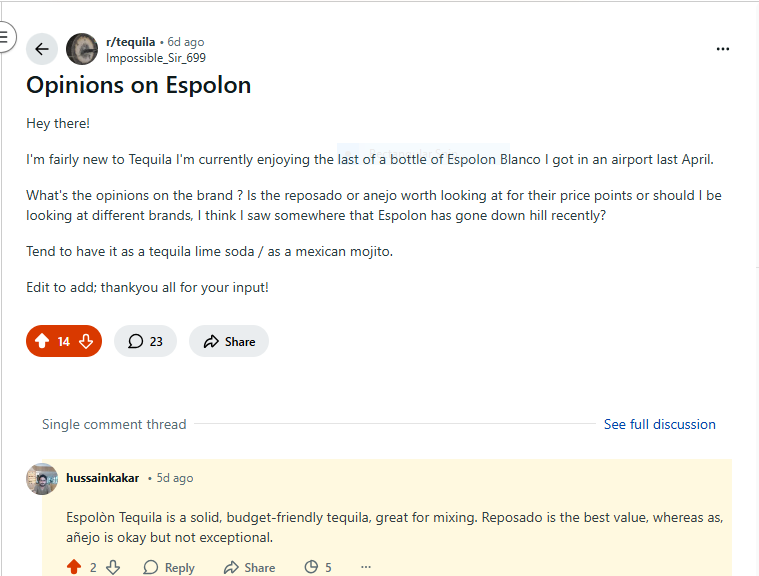
In one discussion on Reddit, a user asked about the reputation of Espolòn Tequila and whether its reposado or añejo expressions were worth buying.
My response in that discussion reflected the same conclusion I’ve reached after repeated margarita testing:
“Espolòn Tequila is a solid, budget-friendly tequila, great for mixing. Reposado is the best value, whereas añejo is okay but not exceptional.”
Interestingly, this aligns closely with what many home bartenders and tequila enthusiasts report:
- Espolòn Blanco is widely considered a dependable choice for margaritas and mixed drinks.
- Espolòn Reposado often stands out as the best value, offering a slightly richer flavor without a major price jump.
- Espolòn Añejo is generally seen as decent but not dramatically better than reposado for most cocktail uses.
Why Community Feedback Matters
Tequila recommendations can vary widely, but when both personal testing and community feedback point in the same direction, it strengthens confidence in the choice.
In this case, the feedback from the Reddit community reinforces what I consistently find in my own margarita experiments:
Espolòn remains one of the most reliable budget-friendly tequilas for making balanced, bar-quality margaritas at home.
Faqs
Is Espolòn high quality tequila?
Espolòn Tequila is generally considered a good-quality tequila for its price range, especially among budget-friendly options. It is made from 100% blue agave in Jalisco, Mexico, which is an important indicator of authentic tequila quality. Tequilas labeled as 100% agave are typically smoother and cleaner than mixto tequilas that contain added sugars. While Espolòn is not usually categorized as a premium luxury tequila, it is widely respected for consistent quality, balanced flavor, and strong performance in cocktails like margaritas. For home bartenders, it is often considered one of the best value options in its category.
Can tequila lower cholesterol?
There is no reliable scientific evidence showing that tequila lowers cholesterol levels in humans. Some laboratory or animal studies have explored compounds in agave plants, but these findings do not prove that drinking tequila improves cholesterol in real-world health conditions. In fact, excessive alcohol consumption is associated with higher triglyceride levels and other cardiovascular risks. The most effective ways to manage cholesterol include maintaining a balanced diet, exercising regularly, managing body weight, and following medical advice. Tequila should not be viewed as a treatment or prevention method for cholesterol problems.
Is tequila good for your kidneys?
Tequila is not beneficial for kidney health, and drinking alcohol regularly can strain kidney function over time. Alcohol acts as a diuretic, meaning it increases urine production and can lead to dehydration if consumed in excess. Chronic heavy alcohol use may also increase the risk of kidney disease, especially in people with underlying health conditions such as diabetes or high blood pressure. Moderate alcohol consumption may be tolerated by healthy adults, but tequila should never be considered protective or beneficial for kidney health.
Is tequila worse for your liver than beer?
Tequila is not inherently worse for the liver than beer, but the risk depends on the amount of alcohol consumed, not the type of drink. Both tequila and beer contain ethanol, which is processed by the liver. Drinking large quantities of any alcoholic beverage, including tequila, beer, or wine, can lead to liver damage over time. Because tequila typically has a higher alcohol concentration than beer, it may lead to faster alcohol intake if consumed quickly or in large amounts. The key factor for liver health is moderation, not the specific type of alcoholic drink.
Is tequila okay for fatty liver?
People with Fatty Liver Disease are usually advised to limit or completely avoid alcohol, including tequila. Alcohol can worsen liver inflammation and increase the risk of disease progression, especially in individuals with alcoholic fatty liver disease or non-alcoholic fatty liver disease (NAFLD). In many cases, doctors recommend stopping alcohol use entirely to allow the liver to recover and prevent further damage. Anyone diagnosed with fatty liver disease should follow medical guidance before consuming tequila or any alcoholic beverage.
The Expertise Behind Espolòn Tequila Review
This article is based on:
- The classic sour cocktail structure (2:1:1 ratio)
- Real-world testing with espolòn tequila in home bartending setups
- Established mixology principles used in professional bars
- Standard ingredient knowledge from culinary and hospitality practices
No myths, no exaggerated claims, just practical, tested guidance to help you make a better margarita every time.
References
Espolòn Tequila Official History
Tequila’s Cultural & Geographic Roots
Jalisco & Tequila Production History

MargaritaLab.com is created and managed by Muhammad Hussain, an SEO specialist with several years of experience in research-driven content creation. With a focus on the Margarita Recipe niche, he combines data-backed insights, careful testing, and clear explanations to make margarita recipes easy to understand and enjoyable for readers at every level.