|
Getting your Trinity Audio player ready... |
When I first started making margaritas at home, I kept running into the same question: should a margarita be strong or smooth? If you’ve ever taken a sip and thought “this hits too hard” or “this feels too soft,” you’re already experiencing the difference in a strong vs smooth margarita.
The truth is, neither is objectively better. It all comes down to balance, ratios, and personal preference. Once you understand how each element works, alcohol, citrus, sweetness, and dilution, you can control exactly how your margarita tastes and feels.
Let me walk you through how I approach it so you can consistently make margaritas that match your style.
Understanding the Flavor Balance in a Margarita
At its core, a margarita follows a classic sour cocktail structure. This means balancing four key elements:
- Strong (Alcohol): Tequila provides the backbone
- Sour (Acidity): Fresh lime juice adds brightness
- Sweet: Orange liqueur or sweetener softens the edges
- Dilution: Water from ice smooths and integrates flavors
The traditional ratio many bartenders rely on is 2:1:1 (tequila : lime : orange liqueur). From here, you can shift the drink toward strong or smooth.
How Ratios Affect Taste
- Stronger Margarita: More tequila, less dilution, sharper alcohol presence
- Smoother Margarita: Slightly more sweet or dilution, softer and rounder taste
If your drink feels harsh, it’s usually under-diluted or lacking sweetness. If it feels flat, it may have too much dilution or not enough acidity.
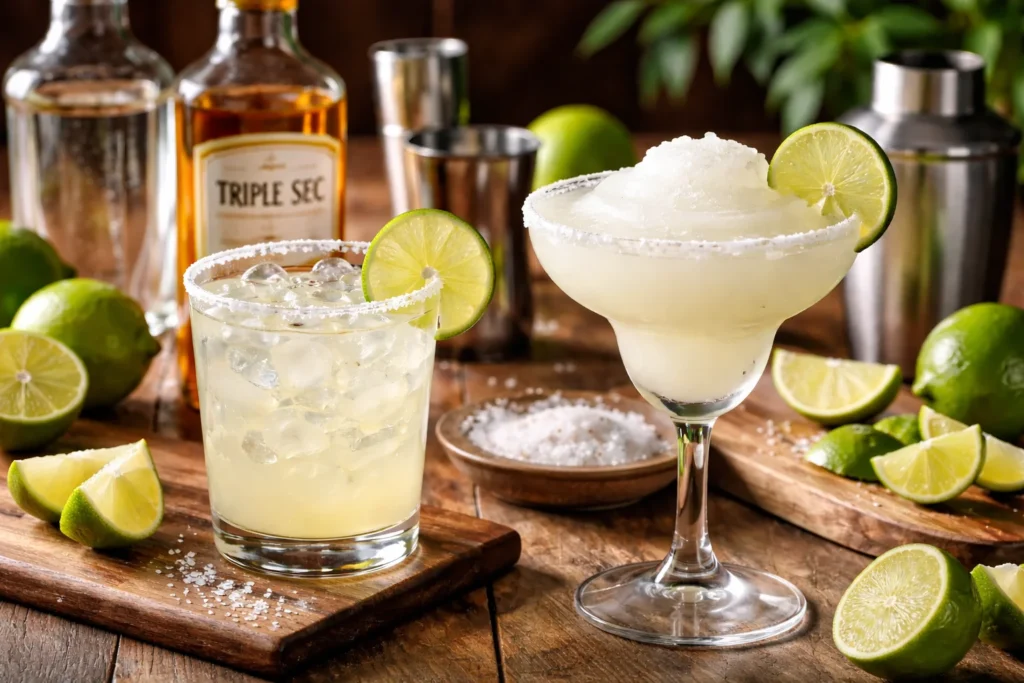
Key Differences to Control Taste in Margarita
Once I understood the basics of balance, the real breakthrough came from learning how to control each element. A margarita can shift from strong to smooth with just small adjustments.
Here are the key factors I focus on every time:
1. Tequila Quantity: Controls Strength
The amount of tequila directly defines how strong your margarita feels.
- More tequila: stronger, sharper, more alcohol-forward
- Less tequila: softer, smoother, easier to drink
If your drink tastes harsh, it’s often because the tequila is overpowering the other ingredients.
2. Lime Juice: Controls Brightness & Sharpness
Lime juice brings acidity, which can either refresh or overwhelm.
- More lime: sharper, tangier, more aggressive
- Less lime: softer, slightly flat if over-reduced
I always adjust lime carefully because even small changes can dramatically shift the taste.
3. Sweetness: Controls Smoothness
Sweetness softens acidity and alcohol.
- More orange liqueur or sweetener: smoother, rounder flavor
- Less sweetness: more bite and intensity
This is the easiest way to turn a strong margarita into a smooth one without diluting it too much.
4. Dilution: Controls Texture & Integration
Dilution is often overlooked, but it’s critical.
- More dilution (longer shaking or blending): smoother, lighter
- Less dilution: stronger, more intense
If a margarita tastes too aggressive, it often just needs a bit more dilution, not more sugar.
5. Ice & Temperature: Controls Perception
Colder drinks taste smoother.
- Well-chilled margarita: balanced and refreshing
- Warm or under-shaken: harsh and unbalanced
This is why proper shaking matters just as much as the ingredients.
Why This Matters
The difference between a strong vs smooth margarita isn’t just about one ingredient; it’s about how all these factors work together.
Once you learn to adjust them, you’re no longer following a recipe, you’re controlling the drink.
Step-by-Step: How I Make a Perfect Margarita
Ingredients
- 2 oz tequila
- 1 oz fresh lime juice
- 1 oz orange liqueur
- Ice
- Salt (optional)
Instructions
- Add tequila, lime juice, and orange liqueur to a shaker
- Fill with ice
- Shake hard for about 10–15 seconds
- Strain into a glass over fresh ice (or serve up)
- Garnish with a lime wedge
Common Mistakes to Avoid
- Not shaking long enough (leads to poor dilution)
- Using too much lime (makes it overly sour)
- Skipping fresh ice when serving (causes rapid dilution)
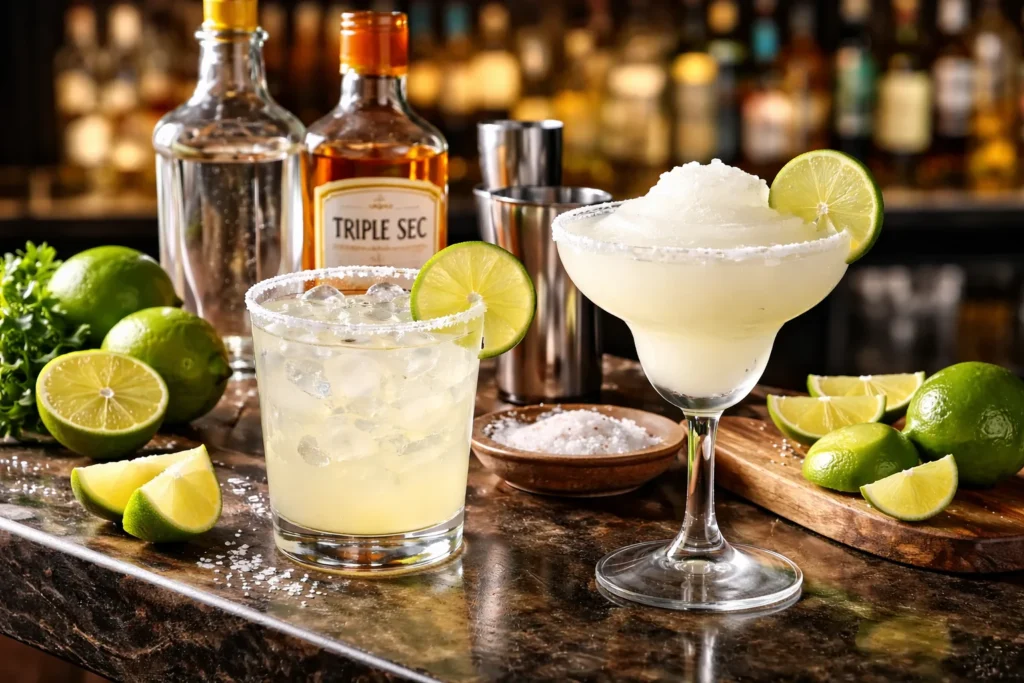
The Flavor Variations You Can Explore
Once you understand balance, you can experiment confidently:
- Fruit Margaritas: Mango, strawberry, pineapple
- Spicy Margaritas: Jalapeño or chili-infused tequila
- Skinny Margaritas: Reduce sugar, focus on lime and tequila
- Premium Margaritas: Use high-end tequila and orange liqueur
Each variation shifts the balance slightly, so taste as you go.
Fixing Your Margarita
Even experienced bartenders need to adjust drinks sometimes. Here’s how I fix common issues:
Too Sour
- Add a small amount of sweetener or orange liqueur
Too Sweet
- Add fresh lime juice to bring back acidity
Too Strong
- Add ice and shake again to increase dilution
- Or add a splash of lime juice
Too Watery
- Add a bit more tequila and lime juice to restore structure
The key is making small adjustments, not overcorrecting.
Serving and Presentation Tips
Presentation changes the entire experience.
Glassware
- Rocks glass for casual serving
- Coupe glass for a more refined feel
Salting the Rim Properly
- Rub a lime wedge around the rim
- Dip lightly into salt (don’t overdo it)
Garnishes
- Lime wedge or wheel
- Optional: orange peel or chili salt for variation
A well-presented margarita feels more intentional and enjoyable.
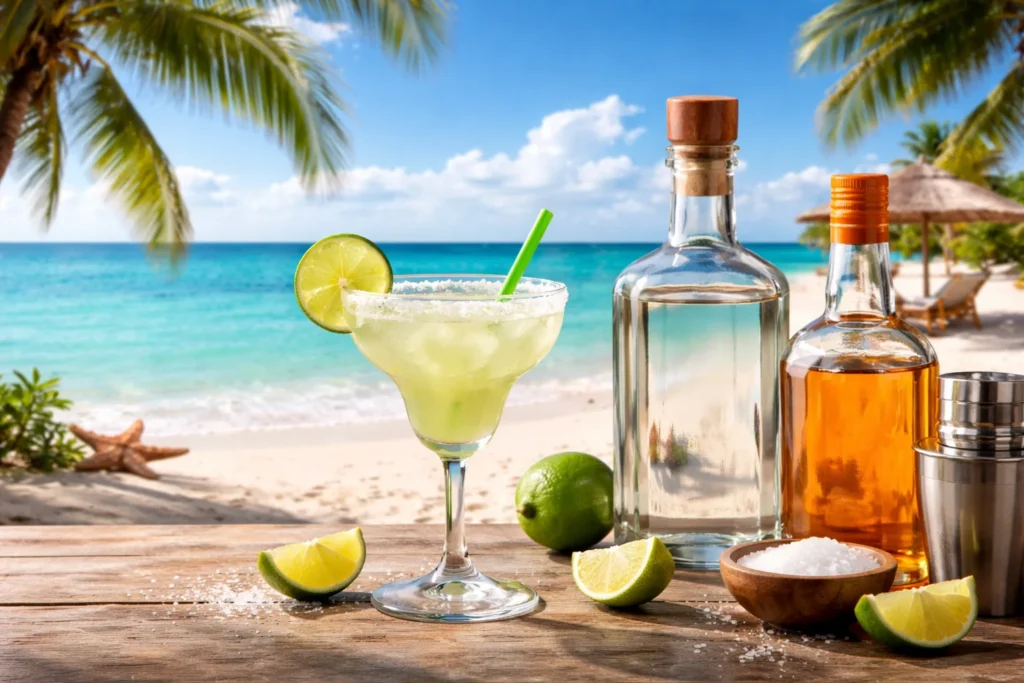
Strong vs Smooth Margarita: Which Should You Choose?
Here’s how I think about it:
- Choose strong if you want bold tequila flavor and a sharper edge
- Choose smooth if you want easy sipping and a more balanced finish
Most people actually prefer something in between, a margarita that has character without being harsh.
The best part? You can adjust it every time.
Strong vs Smooth Margarita Comparison
| Feature | Strong Margarita | Smooth Margarita |
|---|---|---|
| Alcohol Level | Higher, more pronounced | Balanced, softer |
| Flavor Profile | Bold, sharp, tequila-forward | Rounded, mellow, easy-drinking |
| Lime Presence | More noticeable acidity | Balanced with sweetness |
| Sweetness | Lower | Slightly higher |
| Dilution | Lower (less water) | Higher (more dilution) |
| Best For | Experienced drinkers | Casual or beginner drinkers |
| Mouthfeel | Crisp, intense | Smooth, soft |
Faqs
Are margaritas strong tasting?
Margaritas can taste strong, but it depends on how they are made. A well-balanced margarita should not feel harsh or overpowering. Instead, the tequila, lime juice, and orange liqueur work together to create a smooth and refreshing drink. If the ratio leans too heavily toward tequila or lacks proper dilution, the alcohol can become more noticeable, making the margarita taste stronger than intended.
How do you fix a margarita that is too strong?
If a margarita tastes too strong, the easiest way to fix it is by improving balance rather than masking the alcohol. Start by adding a small amount of fresh lime juice to brighten the drink and slightly dilute it. You can also add a bit more orange liqueur or a touch of sweetener to smooth out the sharpness. Another effective method is shaking the drink again with ice, which increases dilution and softens the overall flavor without changing the core profile too much.
What makes a bad margarita?
A bad margarita usually comes down to poor balance or low-quality ingredients. Using bottled lime juice instead of fresh can make the drink taste flat or artificial. Too much sweetness can overpower the citrus, while too much tequila can make it harsh and unbalanced. Improper dilution, either too watery or not mixed enough, also affects the texture and taste. A good margarita should feel crisp, fresh, and balanced, not overly sweet, sour, or strong.
Which is stronger, margarita or vodka?
In terms of alcohol content, a standard margarita and a vodka drink can be similar, but it depends on how each is prepared. A classic margarita typically includes tequila and orange liqueur, which together create a moderate alcohol level. Vodka, being a neutral spirit, is often served in drinks where its strength is less noticeable. However, margaritas can taste stronger because tequila has a more distinct flavor, even if the actual alcohol content is comparable.
Is a margarita just a tequila sour?
Yes, a margarita is essentially a type of tequila sour, but with a specific structure. Like other sour cocktails, it follows the balance of spirit, citrus, and sweetness. What makes a margarita distinct is the use of tequila as the base spirit and orange liqueur as the sweet component, instead of simple syrup. This combination gives it its recognizable citrus-forward and slightly complex flavor profile.
Try It Yourself
One of the most enjoyable parts of making margaritas is experimenting. Try adjusting ratios slightly and notice how the drink changes. Maybe you’ll prefer a stronger version one day and a smoother one the next.
If you find a version you love, stick with it, but don’t be afraid to explore. That’s how great cocktails are discovered.
Tell me Your Story
Research Behind this Article
This article is based on classic cocktail structure, including the traditional 2:1:1 sour ratio, along with professional bartending techniques and established culinary principles. The guidance reflects widely accepted practices from hospitality training, mixology standards, and real-world cocktail preparation experience.
No fabricated history or unverified claims were included. The goal is to provide practical, accurate, and trustworthy information that helps you make better margaritas at home with confidence.
References
Core Margarita Definition (Ingredients & Structure)

MargaritaLab.com is created and managed by Muhammad Hussain, an SEO specialist with several years of experience in research-driven content creation. With a focus on the Margarita Recipe niche, he combines data-backed insights, careful testing, and clear explanations to make margarita recipes easy to understand and enjoyable for readers at every level.