|
Getting your Trinity Audio player ready... |
Most margarita recipes provide a single ratio and consider it complete. The problem is that “correct” for one person tastes harsh to another and weak to a third. After testing the same base recipe across dozens of variations, adjusting one variable at a time while keeping everything else constant, I found that shifting a margarita from strong to smooth requires changing just one measurement deliberately. The dilution finding alone was worth the entire experiment.
The Four Variables That Actually Control the Outcome
A margarita has four moving parts: spirit strength, acidity, sweetness, and dilution. Every experienced home bartender learns to manipulate these, but what most guides skip is explaining what each variable feels like in the glass when it’s off, not just what it does on paper.
Tequila quantity controls the alcohol presence. More tequila doesn’t just make the drink stronger; it makes the alcohol flavor more forward, which reads as sharp or harsh when it’s not balanced by sufficient dilution. The mistake most people make when going strong is adding more tequila without compensating anywhere else. The result isn’t bold, it’s unbalanced.
Lime juice controls brightness and cut. It’s the element that keeps a margarita from tasting like a sweet citrus drink. Reduce it too much, and the drink feels heavy and slightly artificial. Add too much, and the sharpness of the acid overwhelms everything else, including the tequila. Most smooth margaritas that taste dull aren’t under-sweetened; they’re under-acidic.
Sweetness, whether from orange liqueur or agave, softens the alcohol edge and rounds the acidity. This is the easiest single adjustment for making a margarita feel smoother, but it has a ceiling. Past a certain point, additional sweetness doesn’t smooth the drink any further; it just flattens it and begins hiding the tequila entirely.
Dilution is the variable nobody talks about properly. A properly diluted margarita, one shaken hard for 12 to 15 seconds with good ice, contains roughly 20 to 25% water by volume when it hits the glass. That water doesn’t weaken the drink. It integrates the flavors. An under-shaken margarita doesn’t taste stronger; it tastes harsher and less coherent, with the tequila, lime, and sweetener sitting separately rather than working together. If your margarita tastes aggressive despite correct measurements, shake it longer before adding more of anything.
Starting Points: Two Ratios Worth Knowing
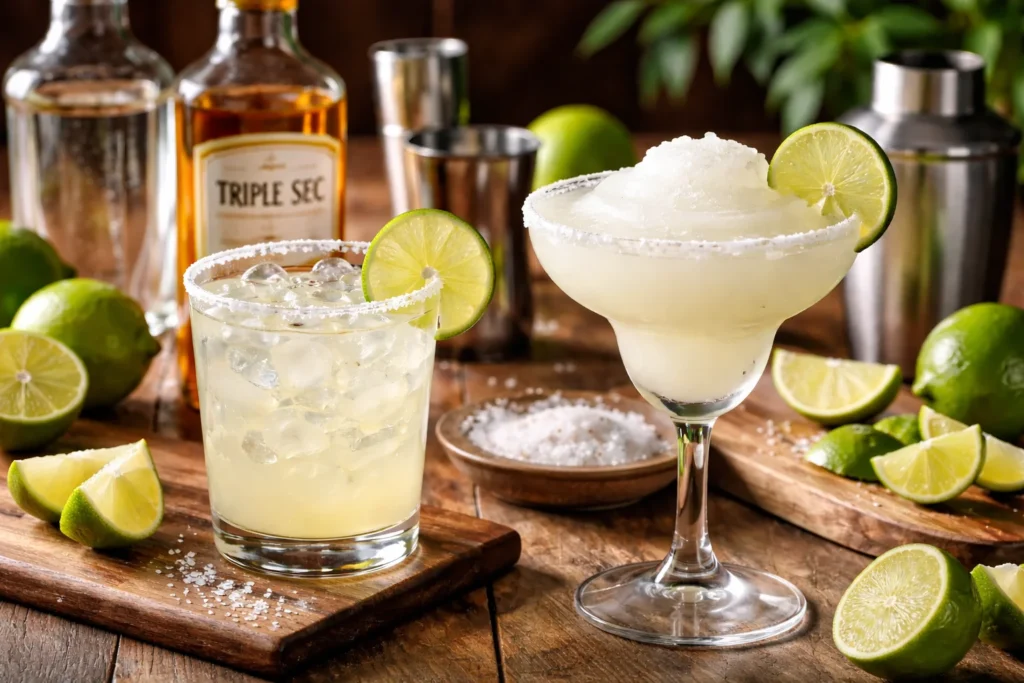
Most recipes default to the 2:1:1 ratio, 2 parts tequila, 1 part lime, 1 part orange liqueur, and treat it as a fixed rule. It’s actually a starting point, and it skews toward strong. If you want a more approachable, balanced drink, starting at 1:1:1 and adjusting from there gives you more control. The 1:1:1 version is smoother, slightly lower in alcohol, and easier to calibrate to personal taste because none of the three components dominates at the outset.
The 2:1:1 is better when you want the tequila character to come through, when the spirit itself is the point of the drink rather than the balance of all three components together.
There is a third approach worth knowing: Tommy’s Margarita, developed at Tommy’s Mexican Restaurant in San Francisco, skips the orange liqueur entirely and replaces it with agave syrup. The ratio is 2 parts tequila, 1 part fresh lime, 1 part agave. Removing the orange liqueur makes the tequila more present and the drink more spirit-forward. If you want a genuinely strong margarita that emphasizes tequila flavor over sweetness, Tommy’s structure achieves that without simply adding more tequila to the standard build.
The Strong vs Smooth Margarita Recipe
This is the 2:1:1 build I use as a base. From here, the adjustments in the next section move it in either direction.
Ingredients
- 2 oz blanco tequila (100% agave)
- 1 oz fresh lime juice
- 1 oz orange liqueur (Cointreau or triple sec)
- Ice for shaking
- Ice for serving
- Kosher salt for the rim (optional)
Instructions
- If salting the rim, run a spent lime half around the edge of a rocks glass and press lightly into kosher salt on a flat plate. Set aside.
- Fill a cocktail shaker three-quarters full with ice.
- Add the tequila, lime juice, and orange liqueur.
- Shake hard for 12 to 15 seconds, the shaker should feel cold and frosted on the outside.
- Strain over fresh ice in the prepared glass.
- Taste before serving and make one adjustment if needed.
A note on the salt: kosher salt or coarse sea salt only. Fine table salt dissolves on contact and makes the rim taste sharp and chemical rather than clean. The salt on the rim isn’t decoration, it suppresses the perception of bitterness and makes the citrus brighter. It’s worth doing correctly.
How to Adjust: Moving the Drink Toward Strong or Smooth
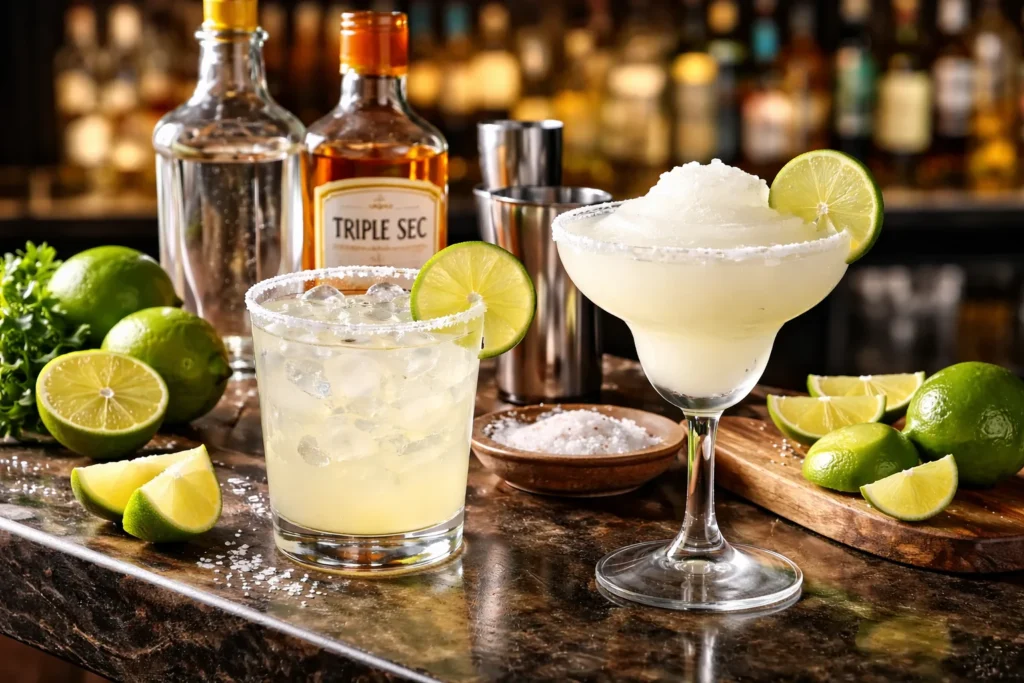
Once you have the base recipe, these are the specific adjustments that actually work. Change one variable at a time and taste after each change.
To make it stronger: Increase the tequila to 2.5 oz and shake for the full 15 seconds. The additional spirit needs proper dilution to integrate; if you add tequila and reduce shaking time, you’ll get harshness rather than strength. Alternatively, try Tommy’s structure above, which achieves a spirit-forward result without increasing ABV further.
To make it smoother: The most effective single change is increasing dilution by shaking longer, 18 to 20 seconds rather than 12 to 15. The additional water integration softens the alcohol edge without changing the flavor balance. If the drink still feels sharp after that, add a quarter ounce of agave syrup to the shaker and shake again briefly. Adding sweetness and dilution together is more effective than either alone.
To make it brighter without making it stronger: Add a quarter ounce of lime juice and a quarter ounce of agave simultaneously. The additional acid and sweetness cancel each other out in terms of balance but increase the citrus intensity of the drink. This is the adjustment when a margarita tastes flat or muted rather than harsh.
To reduce sweetness without making it sharper: Reduce the orange liqueur to three-quarters of an ounce and replace the missing quarter ounce with water before shaking. This maintains the volume and dilution while cutting the sweetness level, without the lime increase that would sharpen the drink.
The One Adjustment That Changes Everything
The single finding from testing that changed how I approach this drink: dilution is doing more work than any other variable.
When I made the same recipe, identical tequila, identical lime, identical orange liqueur, and varied only the shaking time between 8 seconds and 18 seconds, the difference was larger than any ingredient change I tested. The 8-second version tasted harsh and disjointed. The 18-second version tasted rounded and integrated. The flavor was the same. The experience was completely different.
If your margaritas consistently taste too strong or too aggressive despite correct measurements, shake longer before changing a single ingredient. This is the fix that most recipes don’t tell you because it contradicts the idea that more ingredients equals better results.
Strong vs Smooth: A Practical Comparison
| Variable | Strong Margarita | Smooth Margarita |
| Tequila | 2–2.5 oz | 1.5–2 oz |
| Lime juice | 1 oz | 0.75–1 oz |
| Sweetener | 0.75–1 oz | 1–1.25 oz |
| Shaking time | 12 seconds | 15–18 seconds |
| Overall ABV in glass | ~22–25% | ~18–21% |
| Flavor profile | Spirit-forward, bright | Rounded, integrated |
| Best tequila choice | Blanco with character | Blanco or reposado |
Which Tequila Works Best for Each Style
For a strong margarita, blanco tequila is the correct choice. The unaged spirit has the most distinct agave flavor, grassy, slightly vegetal, with citrus and pepper notes, which is exactly what you want to come through in a spirit-forward build. A reposado’s barrel notes soften the agave character and push the drink toward smooth territory regardless of your ratio.
For a smooth margarita, either blanco or reposado works. Reposado adds vanilla and wood notes from barrel aging that naturally round the drink without sweetener adjustments. If you find that even a well-diluted blanco margarita still has more edge than you want, switching to a reposado is an effective alternative to adding more sweetener.
One thing worth knowing: the tequila quality matters more in a strong build than a smooth one. In a smooth margarita, the sweetness and dilution buffer the spirit’s rough edges. In a strong, spirit-forward build, those buffers are reduced, which means a mediocre tequila is more exposed. If you’re going for strong, spend more on the tequila than you think you need to.
Faqs
Are margaritas strong tasting?
Margaritas can taste strong, but it depends on how they are made. A well-balanced margarita should not feel harsh or overpowering. Instead, the tequila, lime juice, and orange liqueur work together to create a smooth and refreshing drink. If the ratio leans too heavily toward tequila or lacks proper dilution, the alcohol can become more noticeable, making the margarita taste stronger than intended.
How do you fix a margarita that is too strong?
If a margarita tastes too strong, the easiest way to fix it is by improving balance rather than masking the alcohol. Start by adding a small amount of fresh lime juice to brighten the drink and slightly dilute it. You can also add a bit more orange liqueur or a touch of sweetener to smooth out the sharpness. Another effective method is shaking the drink again with ice, which increases dilution and softens the overall flavor without changing the core profile too much.
What makes a bad margarita?
A bad margarita usually comes down to poor balance or low-quality ingredients. Using bottled lime juice instead of fresh can make the drink taste flat or artificial. Too much sweetness can overpower the citrus, while too much tequila can make it harsh and unbalanced. Improper dilution, either too watery or not mixed enough, also affects the texture and taste. A good margarita should feel crisp, fresh, and balanced, not overly sweet, sour, or strong.
Which is stronger, margarita or vodka?
In terms of alcohol content, a standard margarita and a vodka drink can be similar, but it depends on how each is prepared. A classic margarita typically includes tequila and orange liqueur, which together create a moderate alcohol level. Vodka, being a neutral spirit, is often served in drinks where its strength is less noticeable. However, margaritas can taste stronger because tequila has a more distinct flavor, even if the actual alcohol content is comparable.
Is a margarita just a tequila sour?
Yes, a margarita is essentially a type of tequila sour, but with a specific structure. Like other sour cocktails, it follows the balance of spirit, citrus, and sweetness. What makes a margarita distinct is the use of tequila as the base spirit and orange liqueur as the sweet component, instead of simple syrup. This combination gives it its recognizable citrus-forward and slightly complex flavor profile.
References
Core Margarita Definition (Ingredients & Structure)

Muhammad Hussain is the creator of MargaritaLab.com, where he tests and analyzes margarita recipes, ingredients, and techniques to help readers make better drinks at home. Over time, he has experimented with different tequila types, lime juice variations, and store-bought mixes to understand what actually makes a balanced margarita.
His approach combines hands-on testing with detailed research, focusing on real-world results rather than theory. Whether comparing fresh vs bottled lime juice or reviewing popular margarita mixes, his goal is to simplify the process and share what truly works.
Pingback: Homemade vs Store Margarita: Why Homemade Margaritas Taste Better
Pingback: Why Homemade Margaritas Taste Better Than Store-Bought (It's Not Just the Lime)