|
Getting your Trinity Audio player ready... |
The first time I tried making a Cranberry Margarita Recipe at home, I made the same mistake I see in most recipes: I treated cranberry juice like it was just another sweet fruit mixer.
It isn’t.
Cranberries are sharp, dry, and often more bitter than people expect, especially if you reach for pure cranberry juice instead of a sweetened blend. That single ingredient decision changes everything. Too many recipes ignore that distinction, which is why so many homemade cranberry margaritas end up tasting harsh, flat, or oddly medicinal even when the recipe looks correct on paper.
After testing several versions, I realised this drink works best when you stop trying to force it into a classic margarita formula. Cranberry needs a softer approach. More orange character. A more careful lime pour. Sometimes a touch of sweetness you would normally skip entirely.
Once I adjusted for that, this became one of my favourite cold-weather margaritas, bright enough to feel fresh, but deep and vivid enough for fall dinners and holiday gatherings.
The One Cranberry Decision That Changes Everything About This Drink
Before tequila even enters the shaker, one choice completely changes the cocktail: which cranberry product are you using?
This is the decision most recipes barely explain, even though it affects every other ingredient ratio.
Pure 100% cranberry juice is intensely dry and acidic with tannins that remind me of underripe red wine or unsweetened pomegranate. It creates a more serious cocktail, but it will bulldoze the tequila if you are not careful. You will need more orange liqueur and more sweetener to bring it back into balance.
Cranberry juice cocktail is softer, sweeter, and far easier to balance. Most holiday party cranberry margaritas use this version whether the recipe admits it or not. The tradeoff is that it can become syrupy quickly if you are not careful with sweetener.
No-sugar-added cranberry juice blend, products like Ocean Spray Diet Cranberry, sit between the two. These blends use natural sweetness from small amounts of apple, grape, and pear juice alongside cranberry, giving you the tartness of real cranberry without the aggressive dryness. This is often the most practical option for home bartenders who want reliable results without constant adjustment.
I tested all three side by side. My first batch with pure cranberry juice was nearly undrinkable without significant sweetener correction. Cranberry cocktail worked immediately but drifted sweet by the end of the glass. The no-sugar-added blend gave me the most consistent starting point.
My advice is to decide which style you want before you build the drink rather than discovering the problem halfway through.
Why Cranberry Tartness Is Different From Lime Tartness: And Why It Matters
This took me longer to understand than it should have.
Lime acidity feels bright and refreshing. Cranberry acidity feels deeper, drier, and slightly tannic. When you combine too much of both, they do not balance each other, they stack on top of each other in a way that becomes genuinely exhausting to drink.
That stacking effect is why so many cranberry margaritas taste overly aggressive. It is also why reader after reader on popular recipe sites reports the drink coming out “way too tart” even when following measurements exactly.
I kept adding more lime because the drink felt incomplete. Instead of improving the cocktail, it made the finish sharp and unpleasant. The cranberry was already delivering plenty of acid structure on its own.
Once I reduced the lime to about three-quarters of an ounce, less than I use in a standard margarita, everything changed. The tequila became easier to taste. The orange notes opened up. Even the cranberry itself became cleaner and more identifiable.
Fresh lime still matters here. Bottled lime juice amplifies the harsh edges of cranberry in a way that is particularly noticeable in this drink. But fresh lime used with restraint is one of the most important adjustments in the whole recipe.
Why This Drink Actually Works Better in Cold Weather
A good cranberry margarita does not drink like a beach cocktail. That is exactly why I make it between October and January.
Cranberry has a darker kind of brightness. The flavour feels seasonal in the same way pomegranate, baked citrus, and red wine feel seasonal. It is refreshing but not light.
Cold weather also changes how we perceive acidity. In summer, high-acid cocktails feel crisp and cooling. In winter, that same acidity can feel aggressive unless there is enough texture and depth underneath it. Cranberry naturally provides that deeper structure, which is why the drink suddenly feels right around November when a watermelon margarita would feel completely out of place.
The Sweetener Problem: Why Cranberry Requires More Thought Than Other Fruits
Sweetness in this drink is not optional. The real question is how controlled you want it.
Many recipes add agave syrup without considering how sweet the cranberry product already is. That is how you end up with a drink that tastes like holiday punch instead of a margarita.
I also learned that cranberry sweetness drifts as the cocktail dilutes. A drink that tastes balanced right after shaking can become noticeably sweeter five minutes later as the ice continues melting and the tannins soften.
Because of that, I now undersweeten cranberry margaritas slightly at first and let dilution finish the balancing. That single habit improved my results more than changing tequila brands ever did.
If you accidentally oversweeten a batch, which happens easily with cranberry cocktail, the fix is adding a small additional squeeze of fresh lime and a splash more tequila rather than trying to dilute with ice. Ice dilutes everything equally. Fresh lime and tequila restore the specific tension, the sweetness buried.
The Ingredients I Use and Why
Tequila: What Holds Up Against Cranberry’s Aggressive Tartness
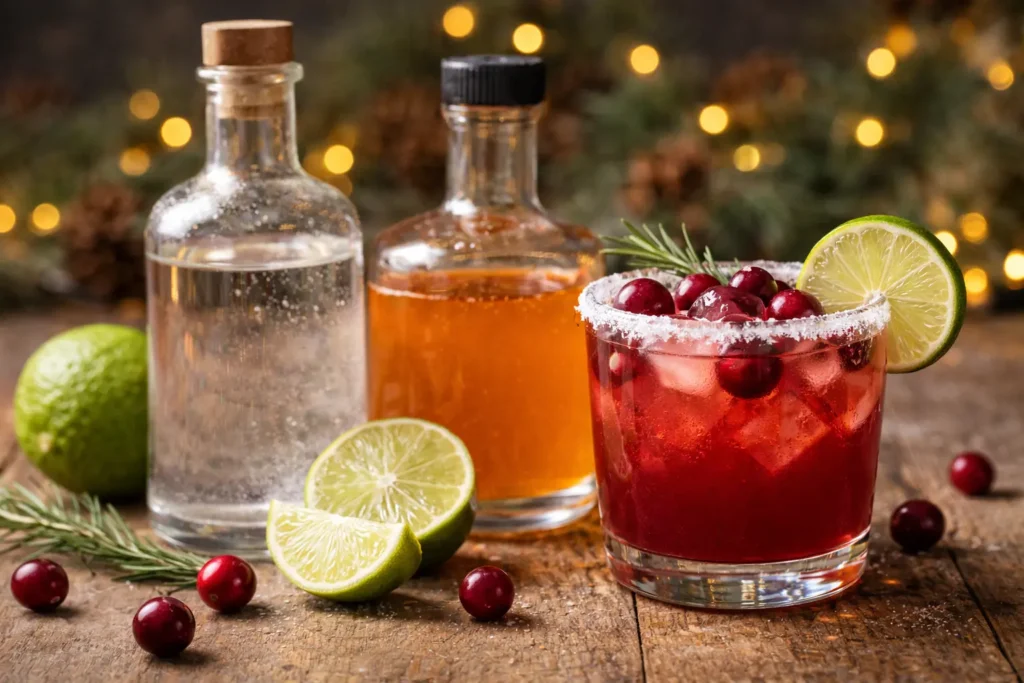
Blanco tequila works best for me here. A clean peppery blanco cuts through cranberry without competing with it. I tried reposado several times but the vanilla and oak notes made the cocktail feel muddy and confused rather than richer.
That surprised me because reposado usually works beautifully in autumn and winter cocktails. With cranberry, though, freshness matters more than warmth. I especially like tequilas with visible herbal or citrus notes because they connect naturally with the cranberry and orange components.
Orange Liqueur: Dry When the Fruit Is Already So Tart
I lean toward a drier orange liqueur like Cointreau here. Cranberries already create significant flavour intensity. A very sweet orange liqueur makes the middle of the drink feel heavy while the finish stays aggressively tart, a combination that does not resolve well.
Dry orange liqueur creates better contrast and softens cranberry’s bitterness without turning the cocktail into candy.
Lime Juice: Restrained and Fresh
I use less than I would in a classic margarita, around three quarters of an ounce. More than that and the drink loses definition. Instead of tasting vibrant it tastes exhausting. That was the biggest mistake I kept making during testing.
My Go-To Cranberry Margarita Recipe
This is the version I make most often. It stays bright, balanced, and vivid without becoming sugary.
Ingredients
- 2 oz blanco tequila A clean citrus-forward blanco rather than anything heavily peppery or oaky.
- 1 oz Cointreau The dry orange profile smooths cranberry without adding syrupy sweetness.
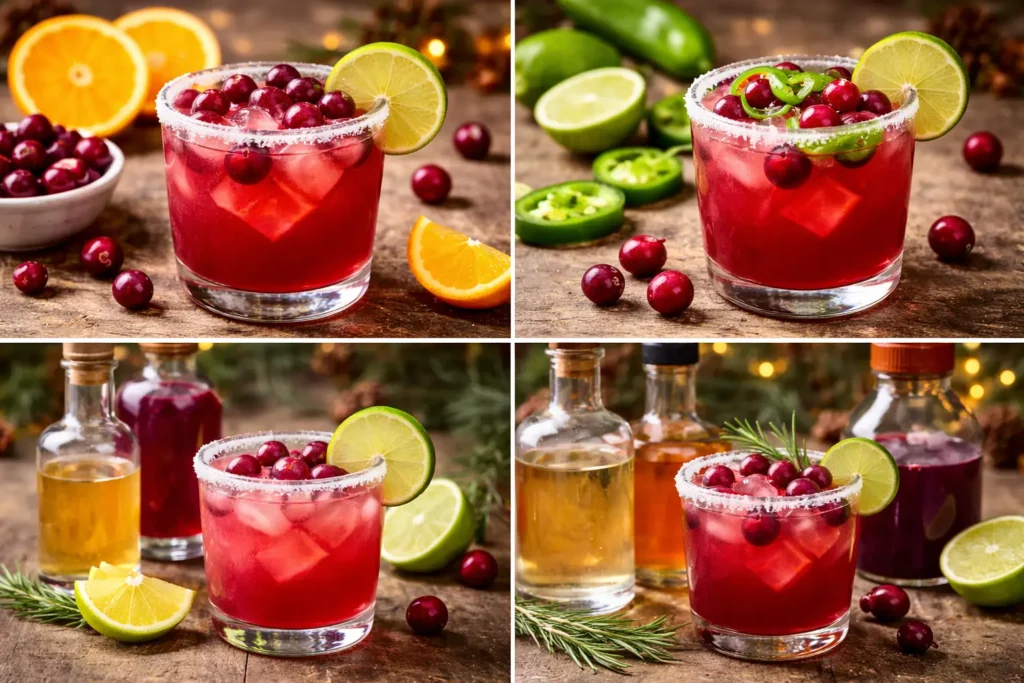
- 1½ oz cranberry juice Use pure cranberry juice for a drier cocktail, no-sugar-added blend for the most reliable balance, or cranberry juice cocktail for the most crowd-friendly version.
- ¾ oz fresh lime juice Intentionally less than a standard margarita.
- ¼ oz agave syrup Sometimes I increase this slightly with pure unsweetened juice. Always taste first.
- Ice
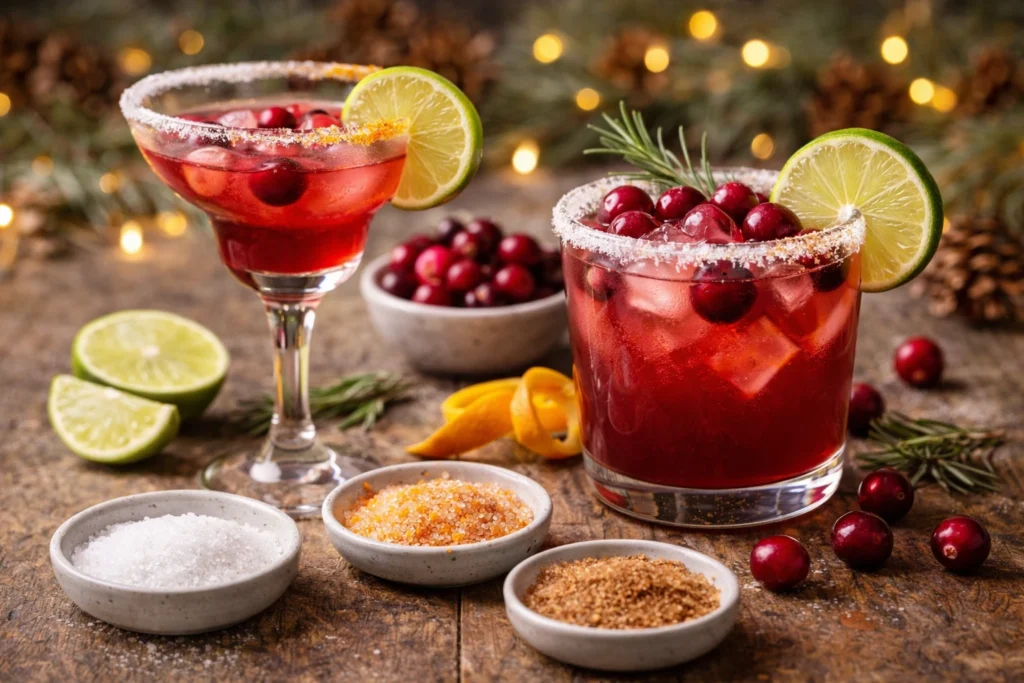
- Garnish: rosemary sprig, lime wheel, or fresh cranberries
Instructions
Prepare a rocks glass with a half-salt rim. I avoid a full rim here because cranberry already has a dry edge and too much salt exaggerates that sharpness.
Fill a shaker with ice and add all ingredients.
Shake hard for about 15 seconds. That extra time matters. Cranberry benefits from slightly more dilution than most margaritas because it softens the tannic edges in a way that tequila or sweetener alone cannot.
Strain over fresh ice and garnish.
Then taste the drink again after about one minute. Cranberry margaritas evolve noticeably as the ice settles and the tannins relax. What tastes slightly sharp immediately often becomes balanced thirty seconds later.
For pure unsweetened cranberry juice: use 1 oz cranberry juice, increase agave to ½ oz, and reduce lime slightly to ½ oz. The concentrated tartness needs this adjustment to find the same balance.
Why the Colour Stays Vivid Even After Shaking
Cranberries hold colour exceptionally well because of their dense natural pigments, specifically anthocyanins, which are stable under most cocktail conditions, unlike the betalains in prickly pear.
I tested this side by side while photographing cocktails one winter afternoon. The cranberry version still looked vibrant nearly twenty minutes later while a strawberry margarita made at the same time had already faded to a washed-out pink.
You do not need to worry about colour management with this drink the way you do with prickly pear. The ruby shade survives dilution, shaking, and time without special handling.
Frozen Cranberry Margarita: Why I Stopped Making Them
I tested frozen versions twice. Both were disappointing.
Fresh cranberries contain significant pectin and firm skin material. Once blended, the drink develops a slightly gritty, almost chalky texture unless you strain it so heavily that you defeat the purpose of blending with fresh fruit.
Even when using cranberry juice instead of whole berries, frozen versions tend to mute the orange and tequila notes while leaving the bitterness strangely more noticeable. Cold temperatures suppress sweetness perception more than they suppress bitterness, which creates an imbalance that is hard to correct through blending.
This drink shines shaken and served over fresh ice. Sometimes the best version is the simplest one.
Two Variations That Make Sense for This Fruit
Cranberry is strong enough to handle thoughtful additions without losing its character. These two variations work because they complement the fruit’s specific qualities rather than fighting them.
Cranberry Rosemary: Why This Pairing Has a Real Reason Behind It
I tried cinnamon first because it sounded festive. The result tasted more like potpourri than a margarita. It pushed the drink toward holiday punch territory immediately.
Then I tried rosemary, and that was the turning point.
Rosemary’s piney aroma complements cranberries because both have an earthy bitterness underneath the primary flavour. The herb reinforces the drink’s deeper winter profile while making the citrus feel brighter through contrast. It does not just add aroma, it gives the cocktail structural coherence.
I lightly clap the rosemary sprig between my palms before garnishing so the oils release over the glass without shredding into the drink.
Spicy Cranberry: How Heat Interacts With Deep Tartness
Jalapeño works surprisingly well here because heat expands the perception of fruit sweetness. That matters with cranberry, which can sometimes feel austere.
I made one early version where I left jalapeño slices shaking too long and the bitterness from the skin combined with cranberry’s tannins in a genuinely unpleasant way. Now I either do a very brief shake with two fresh thin slices or a controlled tequila infusion made ahead of time.
Subtle heat rounds the drink out. Aggressive heat stacks with the bitterness in a way that becomes difficult to drink past the first sip.
I Kept Making This Drink Too Sour. Here Is How I Fixed It
Eventually I realised I was trying to brighten cranberry instead of work with it. That approach was completely backwards.
I kept adding lime thinking the drink needed more citrus energy. Each addition made the tartness worse rather than better. The fix turned out to be the opposite of what felt instinctive, less lime, more dilution from longer shaking, controlled sweetness from quality orange liqueur, and accepting that cranberry margaritas are supposed to finish drier than a summer fruit margarita.
Once I stopped fighting cranberry’s natural dryness, the cocktail became dramatically easier to balance.
Batching for Holiday Parties: The Sweetness Drift Problem
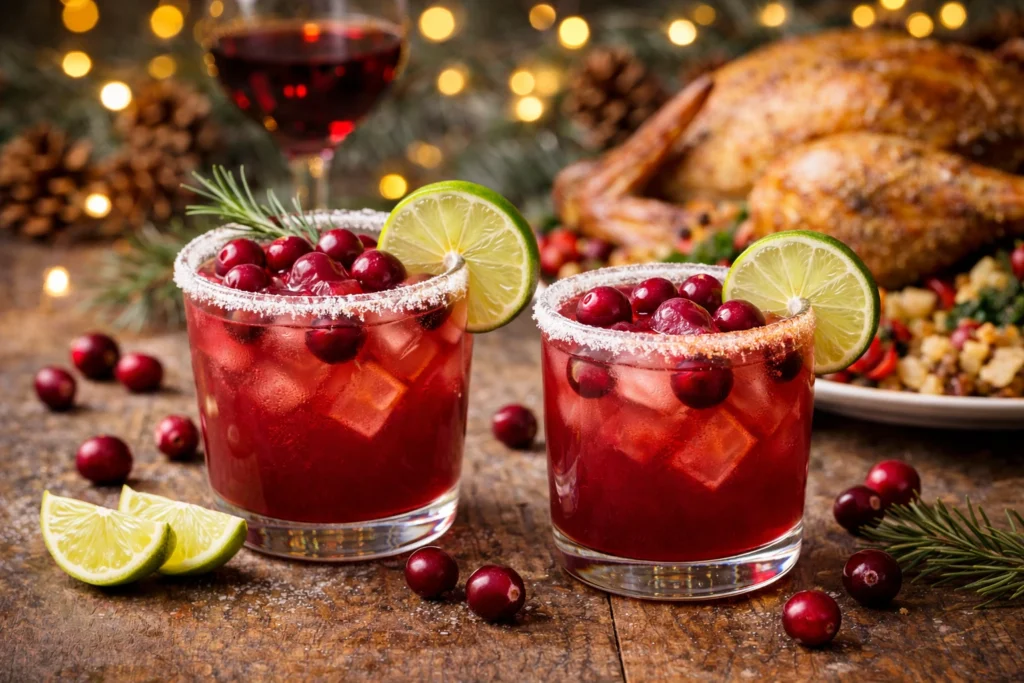
Large-batch cranberry margaritas behave differently from single servings because of the sweetness drift described earlier. As a pitcher sits over ice, the cranberry’s tannins soften and the sweetness becomes more prominent. If you batch at perfect sweetness initially, the drinks can taste noticeably sweeter an hour into the party.
I now batch cranberry margaritas slightly sharper than I think they should be. By serving time they settle into balance naturally.
For a pitcher serving six to eight:
- 1½ cups blanco tequila
- 1 cup Cointreau
- 2¼ cups cranberry juice (no-sugar-added blend recommended for batching)
- ¾ cup fresh lime juice
- Agave syrup to taste: start with 2 tablespoons, add more only after tasting
Mix tequila, Cointreau, and cranberry juice ahead of time and refrigerate. Add fresh lime juice no more than thirty minutes before serving. Shake or stir individual glasses over ice rather than pouring straight from the pitcher: the aeration improves each drink noticeably.
If the batch drifts too sweet: add a small additional squeeze of lime and a splash of tequila directly to the pitcher and stir before the next round.
A Cranberry Margarita Question Worth Answering
People ask whether cranberry margaritas are supposed to taste this tart.
Yes, to a point.
This drink should never taste like strawberry daiquiri sweetness or holiday punch. Cranberry’s appeal is its tension: tart fruit against earthy tequila and orange oils. If the cocktail tastes slightly dry and crisp at the finish, you are probably very close to the right balance.
If it tastes like pink lemonade with tequila, something went wrong, and the fix is almost always less agave rather than more lime.
Faqs
What is the best tequila for cranberry margaritas?
The best tequila for cranberry margaritas is a high-quality blanco (silver) tequila made from 100% blue agave. Blanco tequila has a clean, crisp flavor with citrus and pepper notes that blend well with the tartness of cranberry juice and the acidity of fresh lime. Because it is unaged, it keeps the cocktail bright and refreshing instead of adding heavy oak flavors. Well-known options include Patrón Silver, Don Julio Blanco, and Espolòn Blanco. When choosing a tequila, look for “100% de agave” on the label to ensure better quality and smoother taste.
Can I mix tequila with cranberry juice?
Yes, tequila mixes very well with cranberry juice. The tart and slightly sweet flavor of cranberry juice balances the earthy, citrus notes of tequila, creating a refreshing and easy-to-drink cocktail. A simple mix of blanco tequila, cranberry juice, and fresh lime juice makes a light, vibrant drink similar to a cranberry margarita. You can also add orange liqueur, such as Cointreau, to create a more traditional margarita flavor profile. For best results, use fresh lime juice and 100% cranberry juice rather than cranberry cocktail for a cleaner taste.
Which is the smoothest tequila?
The smoothness of tequila depends on aging and production methods. Generally, reposado and añejo tequilas are considered smoother than blanco because they are aged in oak barrels, which softens the spirit and adds vanilla, caramel, and oak notes. Reposado is aged between two months and one year, while añejo is aged from one to three years. Brands often praised for smooth profiles include Clase Azul Reposado, Herradura Reposado, and Casamigos Añejo. However, “smooth” is subjective, and choosing a 100% agave tequila from a reputable producer is the most reliable way to ensure quality.
Is margarita better with blanco or reposado?
A margarita is traditionally made with blanco tequila, which delivers a fresh, crisp, and citrus-forward flavor that pairs perfectly with lime juice and orange liqueur. Blanco keeps the cocktail light and refreshing. However, reposado tequila can also be used if you prefer a slightly richer and smoother margarita with subtle oak and vanilla notes from barrel aging. Many bartenders recommend blanco for classic margaritas and reposado for a deeper, more complex variation. The best choice ultimately depends on your personal taste preference.
What is the most popular type of margarita?
The most popular type of margarita is the Classic Lime Margarita. It is made with tequila, fresh lime juice, and orange liqueur, typically served with a salted rim. This version is widely recognized as the original and remains a staple in bars and restaurants worldwide. A close second in popularity is the fruit-flavored margarita, especially strawberry. Many restaurants and chains like Chili’s Grill & Bar helped popularize flavored and frozen margaritas in the United States, but the traditional lime margarita continues to be the most ordered and iconic variation.
References
Encyclopaedia Britannica – Margarita Overview & Origins
The Cocktail Atlas – Professional Margarita Ratios & Techniques
Wikibooks – Bartending Margarita Recipe & Ratios
Wiki – Cafe Royal Cocktail Book (Historical Source)

Muhammad Hussain is the creator of MargaritaLab.com, where he tests and analyzes margarita recipes, ingredients, and techniques to help readers make better drinks at home. Over time, he has experimented with different tequila types, lime juice variations, and store-bought mixes to understand what actually makes a balanced margarita.
His approach combines hands-on testing with detailed research, focusing on real-world results rather than theory. Whether comparing fresh vs bottled lime juice or reviewing popular margarita mixes, his goal is to simplify the process and share what truly works.