|
Getting your Trinity Audio player ready... |
Most spicy margarita recipes treat jalapeño like a gimmick. Slice a few rounds into tequila, shake hard, call it “spicy,” and move on.
That approach misses the entire reason jalapeño works so well in a margarita in the first place.
After testing dozens of batches over the years, I stopped thinking about jalapeño as just a source of heat. The real value is texture. Jalapeño creates a green, fresh, almost watery brightness that hotter peppers usually destroy. That matters because margaritas already carry strong acidity and alcohol bite. Add the wrong chilli and the drink turns aggressive fast.
The biggest mistake most recipes make is assuming more heat equals a better spicy margarita. It usually does not. The best jalapeño margarita is the one where the pepper tastes alive, fresh, and integrated instead of punishing.
Once I understood that, the entire drink changed.
Why Jalapeño Is the Right Pepper for Most Margaritas, and When It Is Not
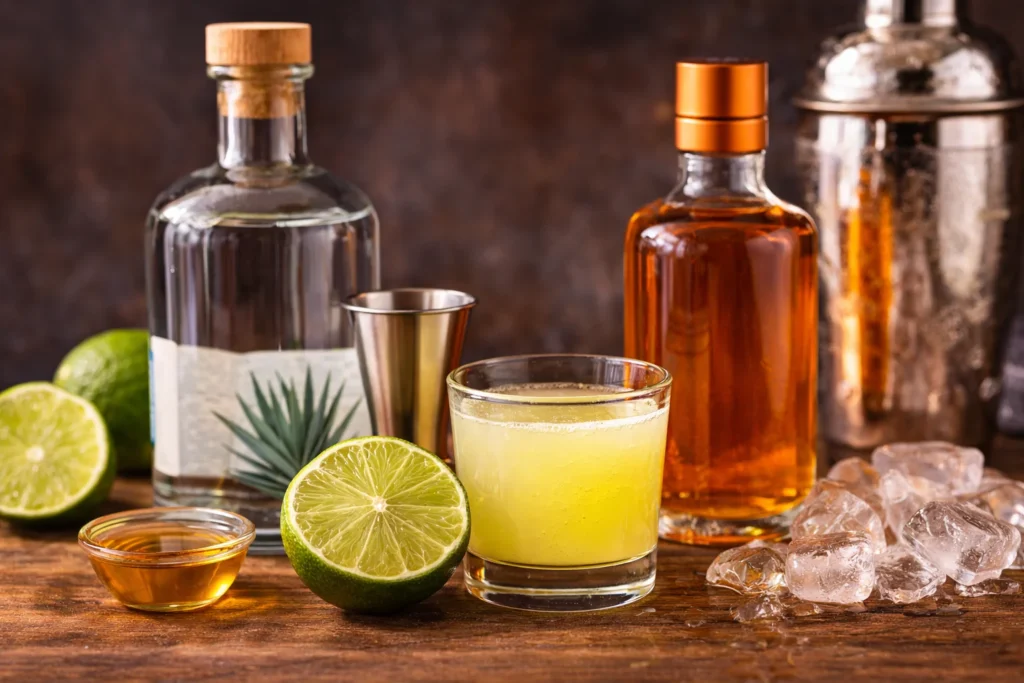
I have tested serranos, fresnos, Thai chillies, habaneros, and dried arbol peppers in margaritas. Some were interesting. A few were genuinely great. But jalapeño keeps winning for one simple reason: it brings flavour before it brings pain.
Fresh jalapeño contributes grassy green notes, mild bitterness, fresh vegetal aroma, moderate capsaicin, and enough water content to soften extraction into the drink. That last point matters more than most people realise. Jalapeños contain far more moisture than smaller hotter peppers. When muddled or infused, they release diluted heat alongside fresh pepper flavour rather than a concentrated spike.
A margarita already has acid, alcohol, and citrus oils fighting for attention. Jalapeño slides into that structure instead of overwhelming it.
Still, jalapeño is not always the right choice. If I want a drink built around smoke and intensity, especially with mezcal, I sometimes reach for serrano instead because its cleaner sharper heat cuts through smoke better. For fruit-heavy margaritas, especially mango and pineapple, jalapeño performs better because its green freshness prevents the drink from turning syrupy.
What Makes Jalapeño Chemically Different From Other Chilli Peppers
Capsaicin is the compound responsible for chilli heat, but concentration is only part of the story.
Jalapeños usually land between 2,500 and 8,000 Scoville Heat Units. Serranos often start where jalapeños end. Habaneros live in an entirely different category.
What I notice most in cocktails is not maximum heat but extraction speed. Fresh jalapeños release capsaicin more gradually because the flesh is thicker, water content is higher, capsaicin concentration is lower, and the skin structure slows release during muddling and infusion.
That slower extraction creates a wider control window. I can taste repeatedly during infusion and stop before the tequila becomes harsh. With serranos, I sometimes overshoot the target in under 20 minutes. Dave Arnold discusses extraction timing and flavour balance extensively in Liquid Intelligence, and that principle applies perfectly here, the speed of extraction changes the final drink as much as the ingredient itself.
Why Jalapeño Heat Is So Inconsistent, and the Visual Test That Predicts It
This is the part almost nobody explains properly.
Two jalapeños from the same grocery store can produce completely different margaritas. I once made two identical pitchers for a party using peppers from two separate bags. One batch tasted bright and lightly warm. The other became nearly undrinkable after twenty minutes of resting. Same recipe. Same tequila. Wildly different results.
Now I always inspect jalapeños before cutting them.
The best visual predictor of heat is corking, those small white stretch marks or thin tan lines on the pepper skin that indicate stress during growth. Stressed peppers often produce more capsaicin. Heavy corking does not guarantee extreme heat, but heavily smooth, glossy jalapeños are usually milder in my experience.
Size also fools people. Bigger jalapeños are often milder because they contain more water relative to capsaicin concentration.
Then there is the seed myth. The seeds themselves are not especially spicy. Most capsaicin lives in the white membrane, the pith or placenta inside the pepper. Remove that and heat drops dramatically. Simply removing seeds while leaving the membrane intact does almost nothing to reduce spice level, which is the opposite of what most recipe notes suggest.
The Four Ways to Get Jalapeño Into a Margarita, and What Each One Produces
After years of experimenting, I think of jalapeño margaritas in four separate categories because the extraction method completely changes the character of the drink.
Fresh Muddled Jalapeño: The Standard Method and Its Limits
This is the classic approach. Fresh slices go directly into the shaker before tequila, lime, and orange liqueur. Then everything gets muddled lightly.
Lightly is the operative word. Over-muddling ruptures the pepper too aggressively and releases bitterness from the skin alongside excessive capsaicin. I learned this while trying to make extra-spicy versions years ago. The drinks became vegetal and rough instead of brighter.
I now use two to four thin slices for moderate heat, gentle pressure only, and ten to fifteen seconds of resting time before shaking. The result is vibrant and fresh but also inconsistent; heat continues building while the drink sits, which becomes a problem in batches.
Jalapeño-Infused Tequila: Why Fresh Infusion Beats the Week-Old Batch
Infusion creates smoother heat distribution than muddling because the capsaicin disperses evenly through the spirit.
But the freshness of the infusion matters enormously. Many recipes suggest keeping jalapeños sitting in tequila indefinitely. I stopped doing that completely. After about 24 hours, especially at room temperature, the infusion shifts from fresh green pepper toward something duller and slightly pickled, unpleasant in a way that is difficult to disguise in the finished drink.
My preferred approach:
- 750ml blanco tequila
- 1 medium jalapeño sliced thin
- 45 minutes to 2 hours total infusion time
- taste every 15 minutes after the first half hour
- strain immediately when heat feels slightly stronger than desired
- refrigerate after straining
Fresh infusion keeps the tequila alive. Old infusion tastes tired.
Jalapeño Simple Syrup: The Most Consistent Heat You Can Make
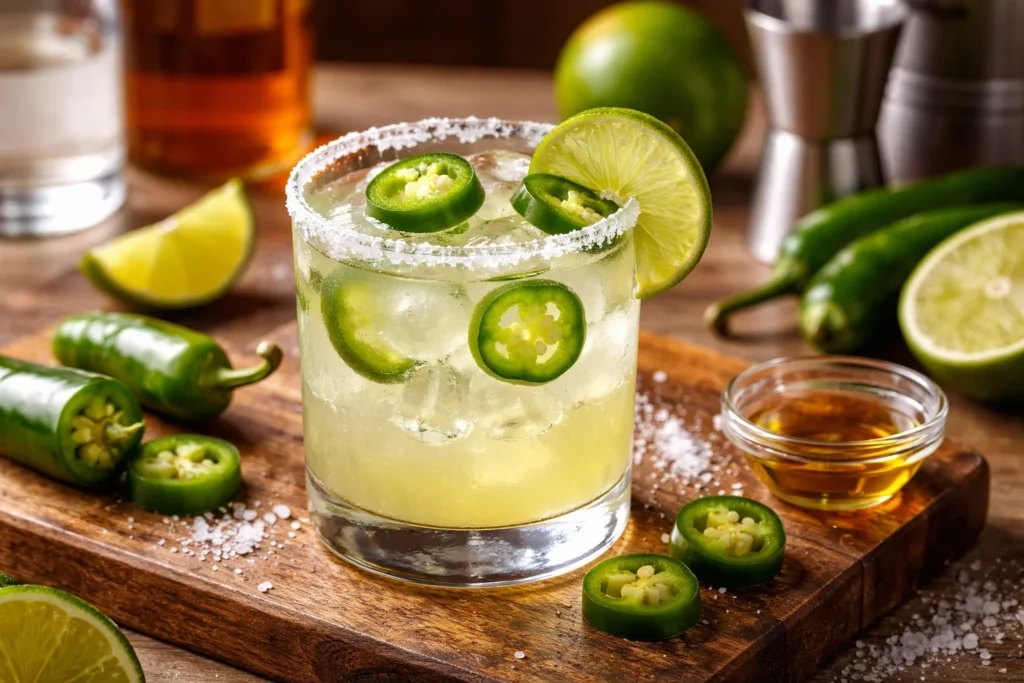
This surprised me more than anything during testing. Jalapeño syrup creates the most predictable spicy margarita I have ever made, not the hottest, not the freshest, but the most controllable.
Because sugar distributes evenly through the cocktail, the heat arrives gradually and consistently instead of appearing in random spikes depending on which part of the muddled pepper lands in each glass.
How to make it:
Heat equal parts sugar and water in a small saucepan until the sugar dissolves completely. Remove from heat. Add one sliced jalapeño per cup of syrup. Steep for 15 to 20 minutes only, longer steeping creates a cooked vegetal flavour I find unpleasant. Strain while still warm and refrigerate in a sealed container for up to two weeks.
This syrup works especially well with cilantro because steeping the herb alongside the pepper during the final few minutes of cooling integrates both flavours into a single cohesive base rather than adding them separately to the shaker.
Jarred Jalapeño Juice: When Fresh Is Not Available
Fresh jalapeños are better. No question about it.
But jarred jalapeño brine has one useful advantage: controlled acidity. The pickling liquid has a consistent pH and a predictable mild heat that does not vary the way fresh peppers do.
In small amounts, half a teaspoon to a teaspoon, it adds both salt and pepper sharpness simultaneously. The risk is that it can push the margarita toward pickle territory quickly if overused.
I reach for it only when fresh peppers are unavailable, when making a fast single-serve drink without time for prep, or when building heavily savoury variations where the pickle character is intentional. Never replace fresh jalapeño entirely with jarred brine unless you specifically want that flavour profile.
My Go-To Jalapeño Margarita Recipe
This is the version I return to most often because it balances freshness, heat, and repeatability without becoming exhausting to drink.
Ingredients
- 2 oz blanco tequila. Clean and citrus-forward, smoothness matters more here than in a classic margarita because alcohol amplifies capsaicin.
- 1 oz fresh lime juice Fresh only. Bottled lime makes the heat taste harsher rather than complementary.
- ¾ oz Cointreau Dry orange character keeps the drink from turning syrupy alongside the pepper.
- ½ oz jalapeño simple syrup More consistent than muddling alone. Adjust quantity for heat preference.
- 2 thin fresh jalapeño slices Seeds removed, some membrane intact for medium heat.
- Pinch of kosher salt Sharpens flavour definition that heat can sometimes blur.
- Ice, Tajín or salt for half rim
- Optional: cilantro sprig garnish
Instructions
Add jalapeño slices to the shaker and press gently with a muddler. Firm pressure but not aggressive crushing, five to eight seconds maximum.
Add tequila, lime, Cointreau, jalapeño syrup, salt, and ice.
Shake hard for 12 seconds until thoroughly chilled.
Before straining, use a straw to taste a few drops. Cover the straw top with your finger, dip into the shaker, release into your mouth, and wait ten seconds before judging. The delay matters because alcohol temporarily masks capsaicin, a balanced drink can reveal unexpected heat several seconds after the initial taste.
Strain over fresh ice into a half-rimmed rocks glass.
On club soda: adding a small splash of club soda after pouring, no more than half an ounce, changes the heat experience noticeably. Carbonation accelerates how quickly capsaicin reaches the palate, which makes the heat feel brighter and more present but also shorter-lived. For people who find spicy drinks linger uncomfortably, this trade-off works in their favour.
On ice type: serving over crushed ice rather than cubed ice increases dilution speed, which progressively reduces perceived heat intensity throughout the drink. If you are serving this to guests with varying heat tolerance, crushed ice is the more accommodating choice.
The Orange Juice Variation: A Genuinely Different Drink
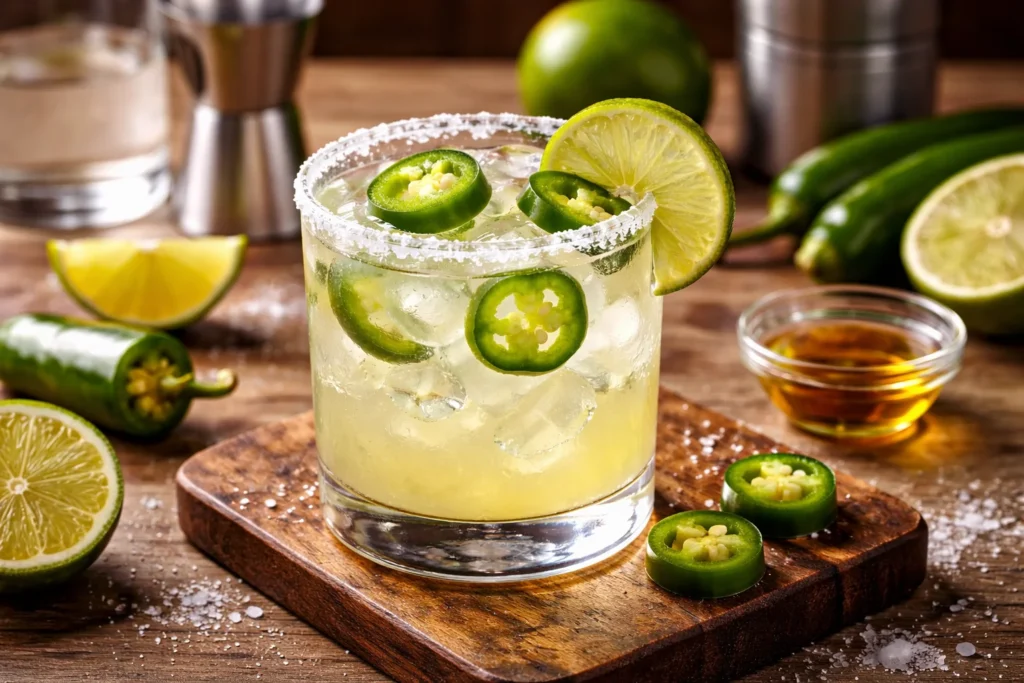
Using fresh orange juice in place of Cointreau creates something worth understanding as its own variation rather than a substitution.
The resulting drink is lower in alcohol, more naturally sweet, and tastes decidedly juice-forward. The jalapeño heat reads differently against fresh orange than it does against distilled orange liqueur, softer and more rounded, with less of the sharp citrus contrast that Cointreau creates.
Orange juice jalapeño margarita:
- 2 oz blanco tequila
- 1 oz fresh lime juice
- 2 oz freshly squeezed orange juice
- 2 thin jalapeño slices muddled lightly
- Optional small agave splash if the orange is particularly tart
This version works especially well for gatherings where some guests prefer a lighter, less spirit-forward cocktail. The trade-off is less structural complexity, without orange liqueur the drink is simpler in character, which some people prefer and others find less interesting.
Cilantro Jalapeño Margarita: Why a Syrup Works Better Than Fresh Herb in the Shaker
Fresh cilantro sounds like the obvious approach. In testing, it usually disappoints.
When shaken aggressively, cilantro can become muddy and slightly metallic, especially if stems break apart under the ice. The flavour that emerges is closer to grassy bitterness than the clean herbal brightness that makes cilantro appealing.
Infusing cilantro into the jalapeño syrup instead produces dramatically cleaner results. The flavour is softer, more evenly distributed, and integrates with the pepper rather than fighting it.
To make cilantro jalapeño syrup: follow the jalapeño syrup recipe above, but in the final five minutes of steeping add a generous handful of fresh cilantro, stems included. Strain immediately after the five minutes. Steeping cilantro longer creates the same muddy flavour problem as aggressive shaking.
The combination works because both jalapeño and cilantro share green aromatic compounds without one dominating the other when blended in a properly made syrup.
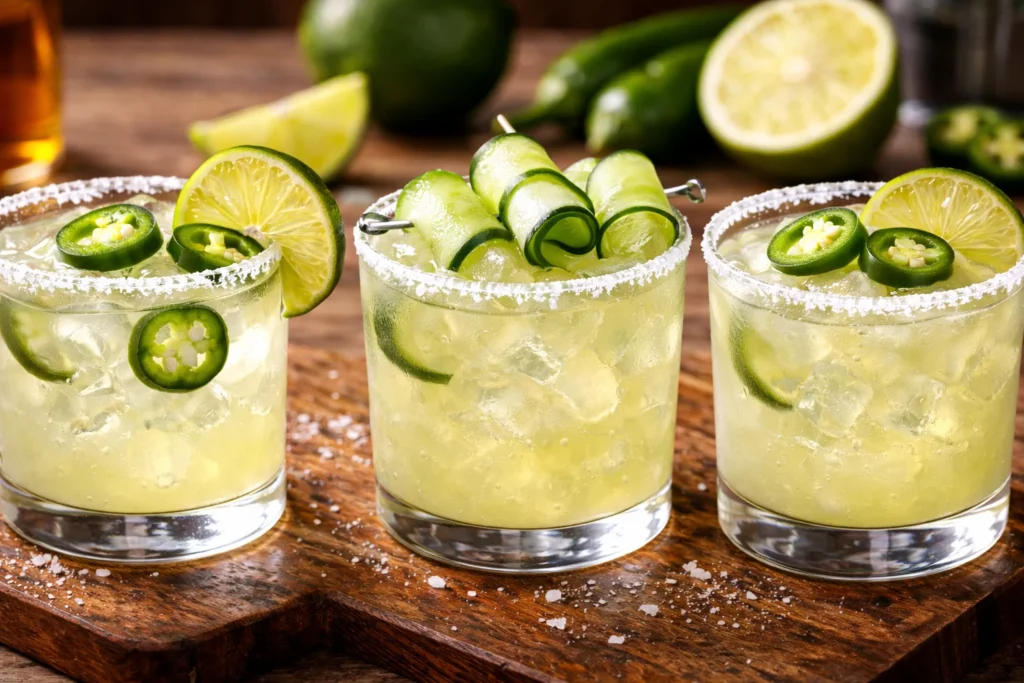
Cucumber Jalapeño Margarita: Why Cooling and Heat Create Something Better Than Either Alone
Cucumber changes how heat feels physically rather than just diluting it.
The water content and cooling aroma of fresh cucumber reduce the perceived aggression of capsaicin without actually removing spice from the drink. The result tastes smoother and more refreshing even when heat levels stay fairly high, the cooling sensation and the heat sensation alternate rather than competing.
I prefer fresh cucumber juice over muddled cucumber because pulp dilution can flatten the drink quickly. A centrifugal juicer or fine-mesh press produces the cleanest result.
This variation benefits significantly from extra salt. Without it, cucumber can make the margarita feel watery rather than refreshing, the salt restores definition that the high water content of cucumber tends to soften.
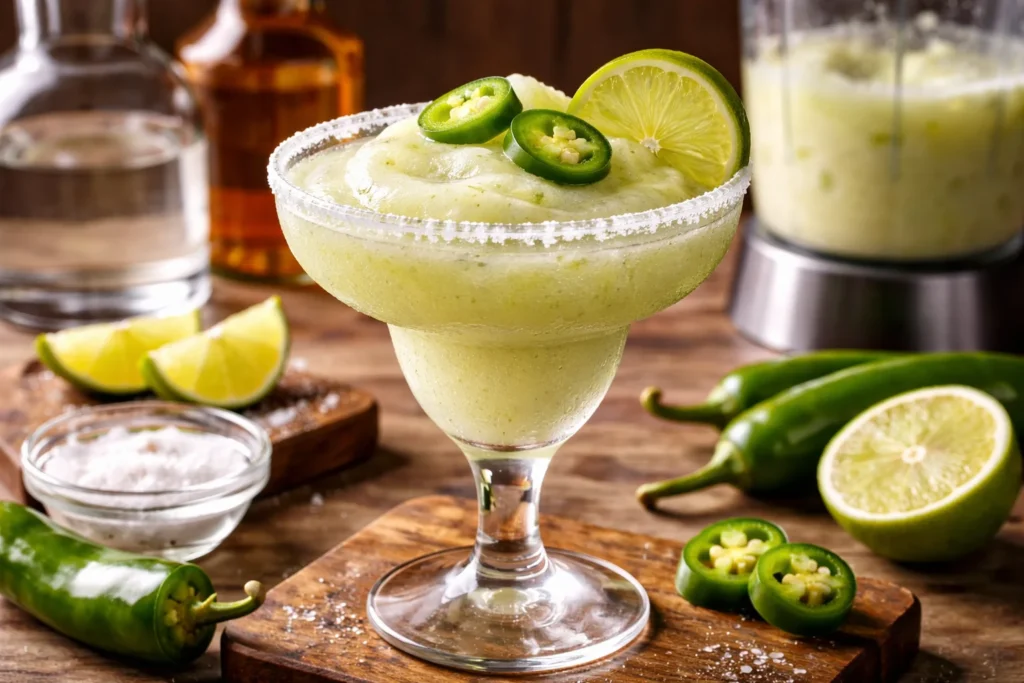
Pineapple Jalapeño Margarita: The Sweetness Threshold That Keeps Heat Controlled
Pineapple is deceptively dangerous in spicy margaritas because sugar amplifies perceived chilli heat beyond a certain concentration.
A small amount, roughly one ounce per two ounces of tequila, rounds the drink beautifully. The tropical sweetness provides a platform that makes the jalapeño heat feel intentional and supported. Beyond that amount, the finish becomes sticky and exhausting because the sugar and capsaicin reinforce each other rather than balancing.
Fresh pineapple also contains bromelain, which changes mouthfeel slightly and can intensify perceived sharpness at the finish. With jalapeño already creating heat, that sharpness can compound into something that feels less clean than the recipe deserves.
Mango Jalapeño Margarita: Why Thick Fruit Changes How Heat Builds
Mango behaves differently from every other fruit in a spicy margarita because its texture slows flavour perception on the palate.
A thick mango margarita often seems mild immediately after sipping, then reveals heat several seconds later because the fruit coats the palate before capsaicin fully registers. Frozen mango exaggerates this effect further because the cold temperature suppresses capsaicin perception initially.
That delayed heat fools people into over-spicing the drink during the tasting stage. I made this mistake repeatedly when first testing mango versions and ended up with cocktails that became progressively harsher halfway through the glass. The drink seemed fine when I tasted from the shaker and unbearable by the third sip.
With mango, start with half the jalapeño quantity you would use in a standard version and adjust upward slowly.
The Rim Decision: Salt vs Tajín vs Cayenne Salt vs Spiced Tajín
Rims change spicy margaritas dramatically because salt directly affects how the tongue perceives both acid and heat simultaneously.
Plain kosher salt keeps the drink brightest and most tequila-focused. This is my default for classic jalapeño margaritas because it adds contrast without adding competing flavour.
Tajín adds dehydrated lime and mild chilli complexity. It works especially well with pineapple and mango variations because it reinforces the fruit character while adding a secondary mild heat that complements rather than duplicates the jalapeño.
Cayenne salt creates immediate front-palate heat before the drink even touches the tongue. I rarely use it now because it flattens the layered heat experience from fresh jalapeño, instead of building heat from the pepper, both the rim and the drink hit simultaneously and the drink feels less interesting overall.
Spiced Tajín blends can work beautifully but many commercial versions become too salty fast on subsequent sips. Half rims matter significantly for spicy drinks because they let the drinker control how much seasoning enters each sip rather than committing to the same rim contact every time.
Why Jalapeño Works Differently With Blanco vs Reposado vs Mezcal
The base spirit changes how heat behaves throughout the drink, not just in intensity but in character.
Blanco tequila is where jalapeño shines brightest. The clean agave character preserves the pepper’s grassy freshness and keeps citrus sharp. Most of my preferred jalapeño margaritas use blanco specifically because the tequila stays out of the way and lets the pepper character lead.
Reposado tequila softens perceived heat through its vanilla and caramel notes. Oak can make jalapeño feel rounder and slower-building, warmer rather than sharp. Some people find this more approachable. I reach for reposado mainly in colder weather versions or when I want the spice to feel like warmth rather than brightness. Too much barrel influence can bury the green freshness of the pepper entirely, at which point the jalapeño character disappears, and you are left with a vaguely spicy oak-heavy drink.
Mezcal changes everything. Smoke and jalapeño together can create something intensely savoury and earthy, sometimes extraordinary, sometimes exhausting. Smoke amplifies perceived dryness and bitterness in a way that makes the pepper’s green character recede and its heat character amplify. I reduce jalapeño intensity by roughly a quarter when using mezcal compared to a blanco version with the same recipe.
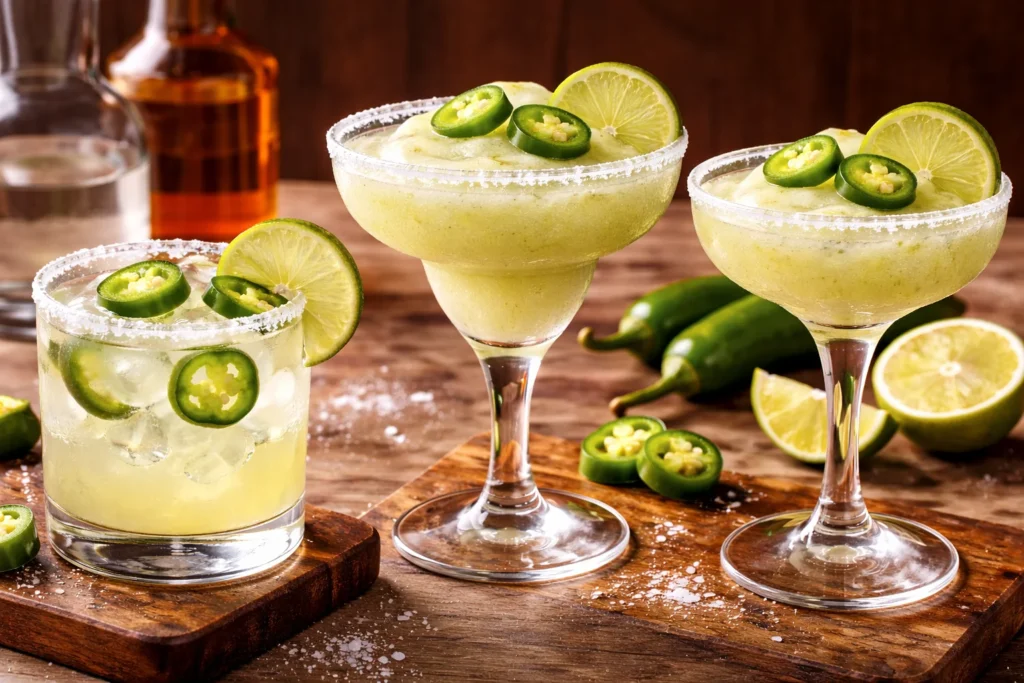
Making Jalapeño-Infused Tequila Properly: Timing, Ratios, and What Happens When It Sits Too Long
People massively underestimate how quickly jalapeño infusions evolve past their peak.
A good jalapeño infusion tastes green, fresh, lightly grassy, and clean on the finish. An over-infused bottle tastes dull, bitter, vegetal, and oddly cooked, like the pepper has been simmered rather than steeped. The difference can happen within hours, depending on individual pepper strength.
My standard approach:
- 1 medium jalapeño sliced thin per 750ml blanco tequila
- 45 to 90 minutes total infusion for medium heat
- taste at 30, 45, 60, and 75 minutes
- strain the moment heat reaches slightly stronger than desired
- refrigerate immediately after straining
If I want more heat I increase pepper quantity rather than extending infusion time. Long extraction pulls unpleasant flavours alongside capsaicin in a way that additional peppers at the same timing do not.
Jeffrey Morgenthaler’s approach to infusion in The Bar Book influenced how I think about this: taste constantly and trust your palate over fixed times. A recipe that says “infuse for 24 hours” ignores that the pepper in your hand may be twice as potent as the one the recipe was tested with.
Batching Jalapeño Margaritas Without the Heat Escalating Overnight
This is the hidden problem most party recipes ignore completely.
If sliced jalapeños remain sitting inside a pitcher overnight, the heat keeps climbing. The next morning’s batch can taste completely different, and not in a good way. I learned this at a summer barbecue where the first round tasted balanced and well-calibrated. Four hours later, the same pitcher had become aggressively hot and developed a bitter edge I could not correct.
Now I batch differently. Strain peppers out of any batch immediately after mixing. Use jalapeño simple syrup or infused tequila rather than fresh muddled peppers when making large quantities. Refrigerate aggressively, cooler temperatures slow further extraction from any residual pepper oils.
For very large batches, jalapeño syrup is easily the safest method because the heat level was set during syrup production rather than during the batch sitting in a pitcher.
What to do if the batch is already too spicy: Adding a small amount of agave syrup directly to the batch and stirring gently is the fastest partial fix, sweetness softens heat perception without adding competing flavour. A small splash of sparkling water dilutes slightly without changing the character. Do not add more lime juice, acid does not neutralise capsaicin and will throw the citrus balance off further.
A Jalapeño Margarita Question Worth Answering
People often ask whether spicy margaritas should hurt a little.
My answer is no.
A great jalapeño margarita should feel alive and energetic, not punishing. You should still taste tequila, lime, orange liqueur, and salt individually. Heat is part of the structure, not the entire point.
The best version makes you want another sip immediately even while the spice lingers.
That balance is harder than most recipes admit.
Faqs
How is jalapeño tequila made?
Jalapeño tequila is typically made through a simple infusion process. Fresh jalapeño peppers are sliced and added directly to a bottle or jar of tequila. The mixture is then left to steep so the alcohol can extract the pepper’s natural oils, flavor compounds, and capsaicin (the compound responsible for heat). Over time, the tequila absorbs both the spicy heat and the fresh green pepper aroma. Most people strain out the peppers once the desired flavor level is reached, creating a smooth, spicy tequila that works well in cocktails such as spicy margaritas.
How many jalapeños should you put in tequila?
The amount of jalapeño used depends on the desired spice level and the size of the bottle. A common starting point is 1 sliced jalapeño per 750 ml bottle of tequila for mild heat. For a stronger infusion, some people use 2 jalapeños, but it is best to start with less and taste as it infuses. Jalapeños vary in heat depending on growing conditions, so starting with one pepper helps control the spice level and prevents the tequila from becoming overly hot.
How long should jalapeños soak in tequila?
Jalapeños usually need about 4 to 24 hours to infuse tequila with noticeable heat and flavor. Because alcohol extracts spice quickly, the infusion can become quite strong if left too long. Many bartenders recommend tasting the tequila every few hours to monitor the flavor. Once the desired balance of heat and pepper flavor is reached, the jalapeño slices should be removed to stop the infusion process.
Do jalapeños go bad in tequila?
Jalapeños generally do not spoil quickly in tequila because alcohol acts as a preservative and slows bacterial growth. However, leaving the peppers in the bottle for an extended period can cause the flavor to become bitter, overly spicy, or vegetal. The peppers may also soften and break down over time, which can affect the clarity and taste of the tequila. For the best flavor, it is recommended to strain out the jalapeños after the infusion reaches the desired spice level.
Can you refrigerate tequila?
Yes, tequila can be refrigerated, although it is not required for storage. High-proof spirits like tequila are shelf-stable and can safely be kept at room temperature in a sealed bottle. Some people prefer refrigerating tequila because it slightly softens the alcohol aroma and makes it feel smoother when served. Refrigeration is mostly a matter of personal preference rather than a necessity.
References
Classic Margarita Ingredients and Structure
Classic Margarita Ratios and Balance
Margarita History and Development

Muhammad Hussain is the creator of MargaritaLab.com, where he tests and analyzes margarita recipes, ingredients, and techniques to help readers make better drinks at home. Over time, he has experimented with different tequila types, lime juice variations, and store-bought mixes to understand what actually makes a balanced margarita.
His approach combines hands-on testing with detailed research, focusing on real-world results rather than theory. Whether comparing fresh vs bottled lime juice or reviewing popular margarita mixes, his goal is to simplify the process and share what truly works.
Pingback: Spicy Margarita Recipe: Balanced Heat Without Overpowering
Pingback: Best Salt for a Margarita Rim: Kosher vs. Sea vs. Tajín, Actually Compared