
|
Getting your Trinity Audio player ready... |
Everyone assumes homemade margaritas win by default. Fresh lime, real tequila, no preservatives, the logic seems obvious. After testing both side by side using the same blanco tequila and the same technique every time, I found the answer depends entirely on one variable that almost every comparison ignores. Homemade, made fresh that day, beats store-bought clearly. Homemade made the night before barely does. That single finding changed how I approach the decision, and it will probably change yours, too.
The Honest Answer: It Depends on One Variable
The variable is time, specifically, how fresh your homemade mix is when you use it.
Same-day homemade margarita beats store-bought every time. The fresh lime juice still has its volatile aromatic compounds intact, the sweetness is exactly where you set it, and the drink tastes alive in a way that no bottled mix fully replicates. There is no contest on flavor when homemade is made and used immediately.
The problem is that most homemade comparisons test same-day juice against store-bought and declare the homemade the winner. What they don’t test is day-old homemade against store-bought. When I did that, the gap nearly disappeared. Fresh lime juice starts oxidizing within hours of pressing. By the next day, the bright top notes that made it shine are mostly gone, and a flattened homemade mix performs very similarly to a decent store-bought option, except with more effort and a shorter shelf life.
That’s the finding nobody explains clearly: homemade doesn’t inherently win. Fresh-same-day homemade wins. And that distinction changes how you should think about which option to use.
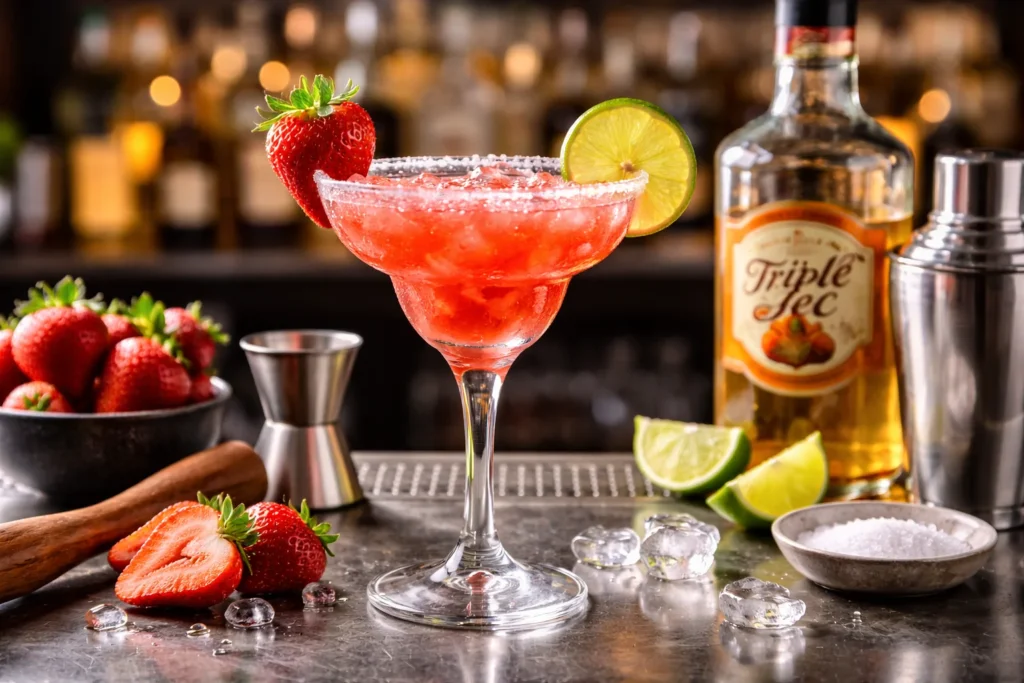
What Changes Between Homemade and Store-Bought
The most important difference isn’t freshness on its own, it’s the control of its sweetness.
When I tested several store-bought mixes using the same blanco tequila throughout, the single biggest variable that separated good mixes from bad ones was sweetness level. The over-sweet mixes, those leaning heavily on corn syrup or excess sugar, made the tequila fight the mix rather than integrate with it. The less-sweet mixes, especially those using agave or real lime juice concentrate, let the tequila come through and produce something that actually resembles a proper margarita.
Homemade gives you precise control over that sweetness level in a way no store-bought mix can match. You decide the ratio of lime to sweetener and you adjust it after a single sip. Store-bought is fixed, whatever the manufacturer decided is what you get, and if their version of “balanced” doesn’t match yours, there’s limited room to correct it.
The second difference is aromatic complexity. Fresh lime juice contains volatile oils that live in the peel and the juice itself. These are the compounds that make a just-squeezed margarita smell as good as it tastes. Pasteurization, the process every bottled mix goes through, destroys most of those oils. What remains is acidic but flat, which is why even a good store-bought mix produces a margarita that tastes correct but doesn’t have that alive, aromatic quality.
What doesn’t change as much as people expect: the flavor profile at a basic level. Lime is lime. If you’re using a decent store-bought mix with real lime juice and controlled sweetness, the difference in a casual drinking context is smaller than the effort gap would suggest.
The Homemade Margarita Recipe I Actually Use
This is the version I come back to consistently. It’s a standard 2:1:1 ratio, but the details matter.
Ingredients
- 2 oz blanco tequila (100% agave)
- 1 oz fresh lime juice, pressed that day
- 1 oz orange liqueur (Cointreau or a good triple sec)
- Ice for shaking
- Ice for serving
- Salt for the rim (optional)
Instructions
- If salting the rim, run a spent lime half around the edge of a rocks glass and press lightly into kosher salt on a flat plate. Set aside.
- Fill a cocktail shaker three-quarters full with ice.
- Add the tequila, fresh lime juice, and orange liqueur.
- Shake hard for 12 to 15 seconds. The shaker should feel cold and frosted on the outside.
- Strain over fresh ice in the prepared glass.
- Taste before serving. If it’s too sharp, add three drops of agave and shake for three more seconds. If flat, add a few drops more lime and shake again.
One thing I’ve learned from testing: the orange liqueur is doing genuine flavor work here, not just adding sweetness. It provides the citrus complexity that bridges the tequila and lime. Don’t reduce it to save calories, without it, the drink is one-dimensional regardless of how good your lime juice is.
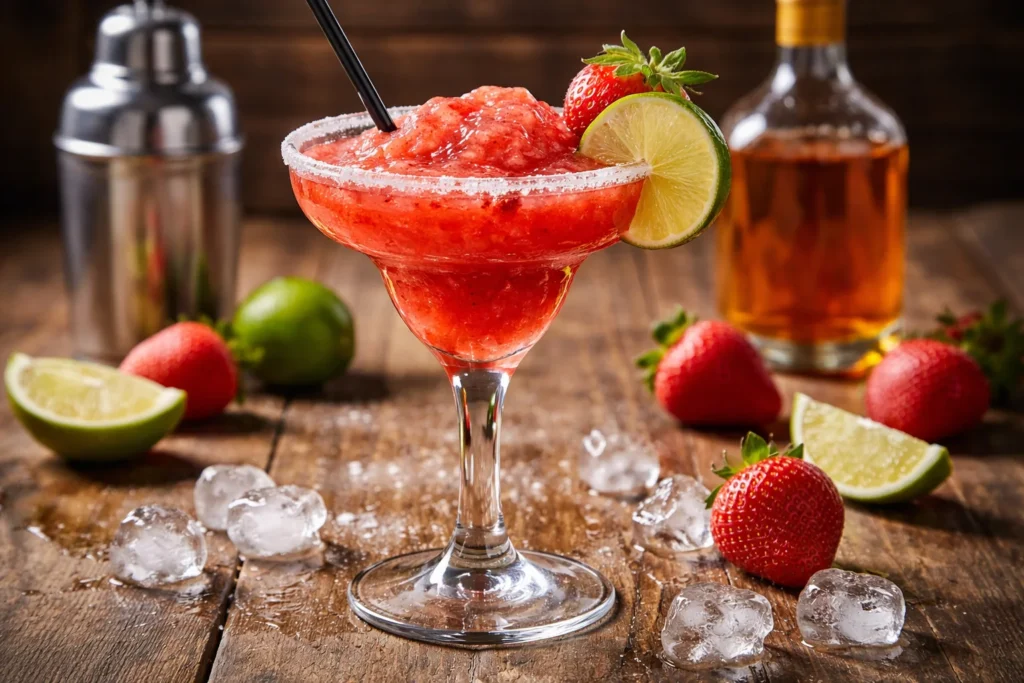
The Cost Per Drink Reality
This is the comparison most homemade advocates skip because it complicates the narrative.
Good limes cost roughly $0.50 to $1.00 each depending on season and where you buy them. One lime gives about one ounce of juice, which means a single homemade margarita requires one lime at minimum. Add the tequila and Cointreau, and the cost per homemade drink in ingredients alone sits between $3.00 and $4.50 depending on the brands you use.
A quality store-bought mix costs roughly $0.75 to $1.00 per drink when you factor the bottle across typical usage. Add tequila and the total per drink is lower than homemade, often by a meaningful amount.
This doesn’t make store-bought better; flavor quality matters, and cheaper isn’t always better. But if someone tells you homemade is also cheaper, they’re not accounting for ingredient costs accurately. For one or two drinks, the cost difference is small. For a party of ten, it adds up.
The honest calculation: homemade costs more per drink and takes more time. The payoff is better flavor, but only if you use it fresh.
Where Homemade Loses Its Advantage
Three situations where store-bought genuinely competes with or beats homemade.
When you’re making drinks the next day. Fresh lime juice pressed more than a few hours ahead loses the aromatic brightness that justifies the effort. If you’re prepping for a party and squeezing limes the night before, you’re getting the work of homemade with the flat flavor profile of store-bought. Either press limes immediately before serving or use a good store-bought mix.
When you’re serving a large group. Pressing enough limes for fifteen or twenty margaritas takes significant time, and the inconsistency between limes, some more acidic, some less juicy, means your batch will vary from glass to glass. Store-bought is consistent by design. Every drink tastes the same, which matters more than it sounds when you’re hosting and can’t adjust each glass individually.
When the mix is high quality. Not all store-bought is equal. Mixes using real lime juice concentrate, agave sweetener, and no artificial flavoring produce results that genuinely close the gap with homemade. The worst store-bought mixes, heavily sweetened with corn syrup and artificial lime flavoring, deserve every criticism they receive. But comparing those to homemade and declaring homemade the winner is not a fair test.
How to Make Store-Bought Taste Closer to Fresh
The single most effective upgrade costs nothing and takes five seconds: squeeze half a fresh lime into the shaker before adding the mix.
Fresh lime juice pressed at serving time reintroduces the volatile aromatic compounds that pasteurization removed from the bottled mix. The improvement is immediate and noticeable in every mix I’ve tested, even the better ones benefit from a fresh lime addition. It doesn’t replicate fully homemade, but it closes the gap more than any other single change.
Two other upgrades are worth knowing. First, reduce the mix slightly and add a splash of water in its place; this dilutes the sweetness level and brings over-sweet mixes back into range without changing the volume of the drink. Second, choose your tequila carefully when using store-bought. A flat mix paired with a flat tequila produces a flat drink. A mix with reduced aromatic complexity needs a tequila with enough character to carry the drink, a grassy, herbaceous blanco rather than a neutral one.
What doesn’t work: adding more tequila to fix a bad mix. It makes the drink stronger without making it better, and it amplifies the artificial sweetness rather than masking it.
How to Choose: Three Scenarios
When Homemade Is Worth It
You’re making one to four drinks, you have fresh limes, and you’re going to drink them immediately. This is the situation homemade was designed for. The effort-to-reward ratio makes sense, the fresh flavor shows up fully, and the result is noticeably better than anything from a bottle.
Also worth it: when you want precise control over sweetness or want to adjust the drink to a specific tequila. Homemade gives you the ability to build the margarita around your ingredients rather than around the mix.
When Store-Bought Makes More Sense
You’re hosting more than six people, you’re making drinks more than an hour after prep, or consistency across multiple glasses matters more than peak flavor quality. Store-bought also makes sense when you’re new to making margaritas and haven’t yet developed the feel for adjusting a homemade mix, a decent bottled mix gives you a reliable baseline to work from.
The key is choosing the right one. Look for real lime juice in the ingredients, agave or cane sugar as the sweetener, and no artificial colors or flavors. Those three checks eliminate most of the poor-quality options.
When Neither Is Ideal
If you’re buying low-quality store-bought mix and not adding any fresh citrus, and you’re also making homemade with lime juice pressed the day before, neither option is performing well. The worst version of each approach produces a similar result: a sweet, flat drink that tastes like lime candy rather than a margarita.
The solution in both cases is the same: a squeeze of fresh lime at serving time. It’s the one fix that improves any margarita regardless of where the rest of the drink came from.
Faqs
Are homemade margaritas stronger than store-bought?
Homemade margaritas are not necessarily stronger, but they often taste more balanced and less artificially sweet, which can make the alcohol feel more noticeable. When you make a margarita at home, you control the ratio of tequila, lime juice, and orange liqueur. In contrast, many store-bought margaritas contain added sugars and stabilizers that can mask the alcohol. If you follow a standard 2:1:1 ratio, the strength will be consistent and easy to adjust based on your preference.
Can I use bottled lime juice?
You can use bottled lime juice, but it will noticeably affect the flavor of your margarita. Fresh lime juice provides bright acidity and natural citrus aroma, which are essential for a well-balanced drink. Bottled lime juice is often processed and may contain preservatives, giving it a flatter or slightly bitter taste. For the best results, especially in a homemade vs store margarita comparison, fresh lime juice is strongly recommended.
What’s the best tequila for margaritas?
The best tequila for margaritas is typically a good-quality blanco (silver) tequila because it offers a clean, crisp flavor that pairs well with fresh lime juice. Reposado tequila can also be used if you prefer a smoother profile with subtle oak notes from aging. It’s generally recommended to avoid very cheap tequilas, as they can introduce harsh flavors that disrupt the balance of the drink. Choosing a 100% agave tequila is a reliable standard for better taste and quality.
How long do homemade margaritas last?
Homemade margaritas are best enjoyed immediately after preparation, as fresh lime juice begins to lose its brightness over time. If needed, you can store a mixed margarita (without ice) in the refrigerator for up to 24 hours, but the flavor may become less vibrant. For the best experience, it’s recommended to mix just before serving or batch the ingredients ahead of time and add ice only when ready to drink.
References
Classic Margarita Ratio & Structure

Muhammad Hussain is the creator of MargaritaLab.com, where he tests and analyzes margarita recipes, ingredients, and techniques to help readers make better drinks at home. Over time, he has experimented with different tequila types, lime juice variations, and store-bought mixes to understand what actually makes a balanced margarita.
His approach combines hands-on testing with detailed research, focusing on real-world results rather than theory. Whether comparing fresh vs bottled lime juice or reviewing popular margarita mixes, his goal is to simplify the process and share what truly works.

Pingback: Best Store-Bought Margarita Mix: Stop Buying the Wrong Ones
Pingback: Low-Calorie Tequila Cocktails Beyond the Skinny Margarita