|
Getting your Trinity Audio player ready... |
When someone asks me for the best margarita recipe, they’re usually not looking for something complicated. They want a margarita that tastes fresh, balanced, and consistent, whether it’s a quiet Friday night or a backyard party with friends.
After years of studying classic cocktail structure and testing ratios at home, I can confidently say this: the best margaritas follow timeless mixology principles. No shortcuts. No bottled mixes. Just proper balance, quality ingredients, and technique.
This guide walks you through exactly how to make the Best Margarita Recipe every time, plus how to scale it, freeze it, fix it, and avoid common mistakes.
Understanding Flavor Balance:
A margarita is built on the classic sour cocktail framework often taught in professional bartending programs and documented in respected cocktail literature. The traditional structure follows a 2:1:1 ratio:
- 2 parts tequila (strong)
- 1 part fresh lime juice (sour)
- 1 part orange liqueur (sweet)
That structure creates balance between four essential elements:
Strong
Tequila provides body, warmth, and character. Too much, and the drink tastes harsh. Too little, and it feels flat.
Sour
Fresh lime juice brings brightness and structure. Increase it slightly, and the drink becomes sharper. Reduce it, and sweetness dominates.
Sweet
Orange liqueur softens acidity and rounds the edges. Adjusting this changes perceived smoothness.
Dilution
Shaking with ice adds water. Proper dilution integrates flavors and reduces sharp alcohol burn. Under-dilute, and the drink tastes aggressive. Over-dilute, and it becomes watery.
When these four elements align, you get the best margarita recipe, crisp, refreshing, and dangerously drinkable.
Ingredient Breakdown: What Actually Matters
Great margaritas start with smart ingredient choices.
Tequila Types
For a classic margarita, I recommend:
- Blanco (Silver): Clean, bright, agave-forward. My go-to for the best margarita recipe.
- Reposado: Aged briefly in oak. Slightly softer, with subtle vanilla notes.
- Añejo: More oak-driven and richer. Better suited for sipping, but usable in premium versions.
Always choose 100% agave tequila. It makes a noticeable difference in smoothness and flavor clarity.
Orange Liqueur Options
Orange liqueur provides sweetness and citrus aroma.
Common options:
- Triple sec (lighter, drier)
- Curaçao (can be richer)
- Premium French-style orange liqueurs (more complex and refined)
If you want depth, upgrade here. The improvement is immediate.
Fresh Lime Juice vs Bottled
Fresh lime juice is non-negotiable.
Bottled juice tastes flat and often slightly bitter. Freshly squeezed lime juice gives the vibrant acidity that defines the Best Margarita Recipe.
I always juice right before mixing. Citrus oxidizes quickly.
Step-by-Step: How to Make the Best Margarita Recipe
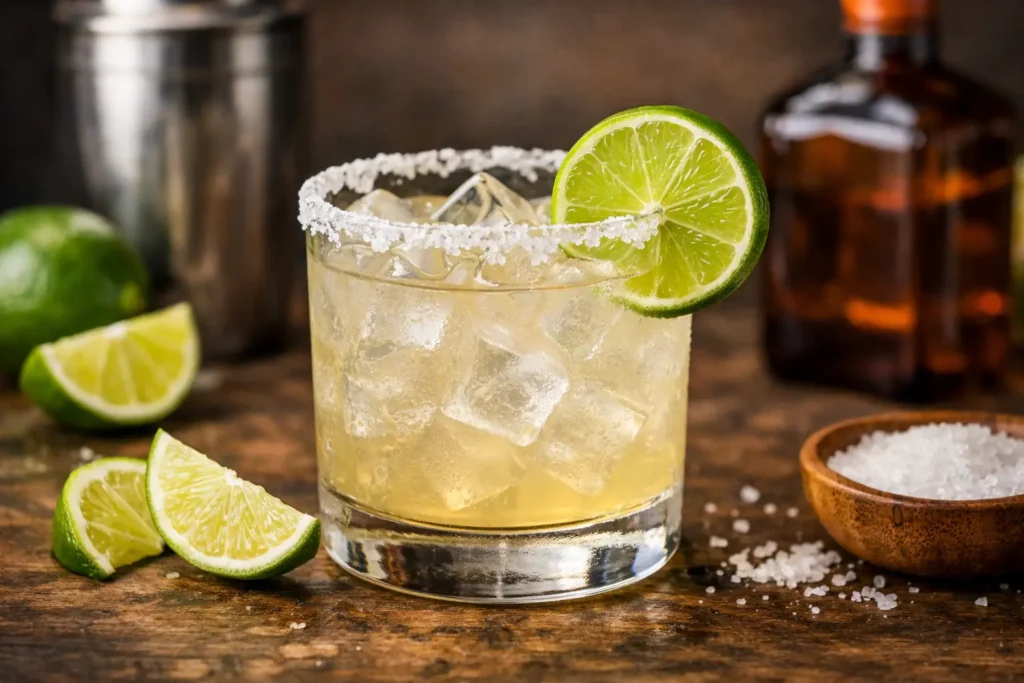
Classic Single Serving (On the Rocks)
Ingredients:
- 2 oz blanco tequila
- 1 oz fresh lime juice
- 1 oz orange liqueur
Instructions:
- Fill a shaker with ice.
- Add tequila, lime juice, and orange liqueur.
- Shake firmly for 12–15 seconds.
- Strain into a rocks glass over fresh ice.
- Garnish with a lime wheel.
Simple. Balanced. Reliable.
Common Mistakes to Avoid
Even good ingredients can produce a bad drink if technique slips.
- Not shaking long enough (poor dilution)
- Using bottled lime juice
- Skipping fresh ice in the glass
- Adding too much simple syrup unnecessarily
- Using low-quality tequila
The best margarita recipe doesn’t need added sugar when the ratio is correct.
Texture Matters: On the Rocks vs Frozen
Texture dramatically changes perception.
On the Rocks
- Crisp and structured
- More pronounced tequila character
- Cleaner finish
This is my standard when teaching balance.
Frozen
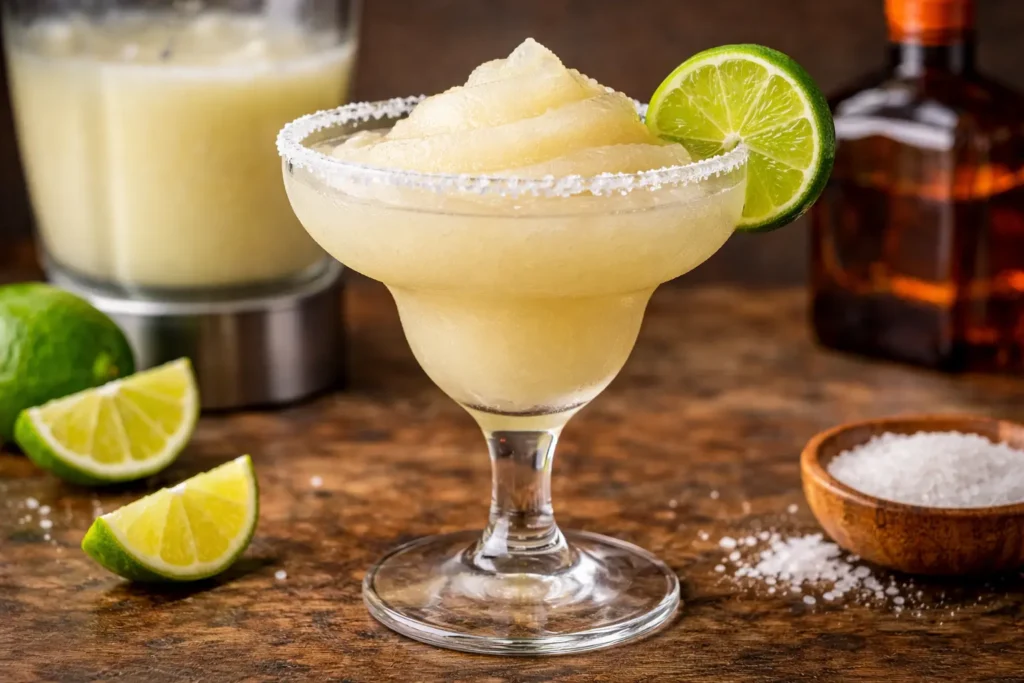
To make the best frozen margarita recipe, start with the same 2:1:1 ratio but slightly reduce lime juice to prevent over-acidity after blending.
Frozen Version:
- 2 oz tequila
- ¾ oz fresh lime juice
- 1 oz orange liqueur
- 1 cup ice
Blend until smooth but thick enough to mound slightly. Over-blending melts the ice and makes it watery.
Control dilution by:
- Using solid ice cubes
- Blending briefly
- Serving immediately
Frozen margaritas taste softer and slightly sweeter due to aeration and temperature.
Flavor Variations Table
Once you master the base recipe, variations become easy. The core 2:1:1 structure stays consistent; only the flavor accents change. Follow the Table to see flavor variations.
| Variation | What to Add / Change | Adjustment Tip | Final Result |
| Fruit Margaritas | Add fresh purée (mango, strawberry, watermelon, pineapple) | Slightly reduce the orange liqueur if the fruit adds natural sweetness | Fruity, vibrant, slightly softer acidity |
| Spicy Margarita | Muddle fresh jalapeño slices before shaking | Strain carefully to control the heat level | Bright citrus with a controlled spicy kick |
| Skinny Margarita | Replace orange liqueur with a small amount of fresh orange juice + a touch of agave nectar | Adjust sweetness carefully; avoid over-sweetening | Lighter body, sharper citrus profile |
| Premium Version | Use high-quality blanco or reposado tequila and an elevated orange liqueur | Keep the classic 2:1:1 ratio intact | More refined, smoother, layered complex |
The foundation remains the same: balance first, creativity second.
What NOT to Do
Here’s what ruins a margarita:
- Using sour mix
- Adding excessive simple syrup
- Overfilling the glass with ice before shaking
- Using table salt heavily packed on the rim
- Letting blended margaritas sit before serving
Balance suffers when shortcuts replace technique.
Troubleshooting Guide
Even experienced home bartenders occasionally miss the mark. Here’s how I fix it quickly:
Too Sour
Add ¼ oz orange liqueur or a small splash of simple syrup.
Too Sweet
Add ¼ oz fresh lime juice and shake again.
Too Strong
Shake again with more ice for additional dilution.
Too Watery
Rebuild it. Use fresh ice and shake properly. Over-dilution cannot be reversed.
The beauty of the best margarita recipe is how adjustable it is once you understand the structure.
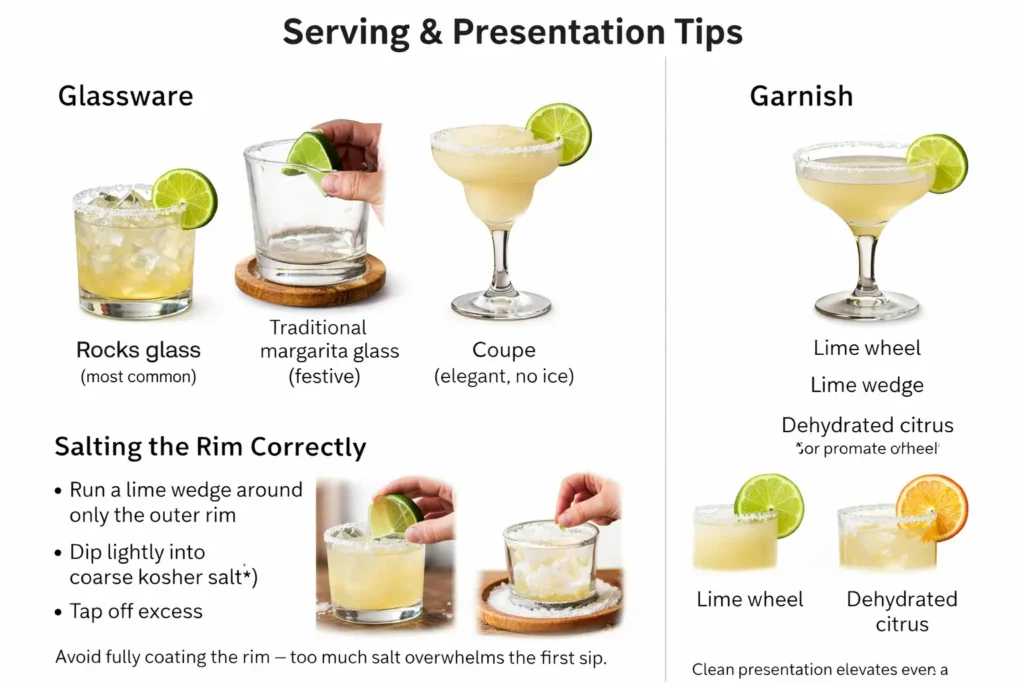
Serving & Presentation Tips
Presentation shapes perception.
Glassware
- Rocks glass (most common)
- Traditional margarita glass (festive)
- Coupe (elegant, no ice)
Salting the Rim Correctly
- Run a lime wedge around only the outer rim.
- Dip lightly into coarse kosher salt.
- Tap off excess.
Avoid fully coating the rim, too much salt overwhelms the first sip.
Garnish
- Lime wheel
- Lime wedge
- Dehydrated citrus for premium presentation
Clean presentation elevates even a simple drink.
Best Large Batch Margarita Recipe (For Parties)
Scaling properly keeps the drink balanced.
For 8 servings:
- 16 oz tequila
- 8 oz fresh lime juice
- 8 oz orange liqueur
Stir in a pitcher. Refrigerate up to 6 hours.
When serving, shake individual portions with ice for proper dilution. Never pre-dilute large batches unless you calculate added water intentionally.
The best large batch margarita recipe maintains the 2:1:1 ratio. Structure does not change, only volume.
How Taste Changes with Ratios
Small adjustments create noticeable differences:
- 2:1:1 – Balanced and classic
- 2:1:¾ – Slightly stronger and drier
- 2:¾:1 – Slightly sweeter and rounder
I encourage you to test side-by-side variations. It trains your palate quickly.
Understanding structure is what separates guessing from confidence.
Reader Challenge: Make It Yours
Once you try this Best Margarita Recipe, experiment thoughtfully.
Try:
- A reposado version
- A lightly spicy variation
- The best frozen margarita recipe on a warm day
- The best large batch margarita recipe for your next gathering
Then adjust ratios slightly and see what you prefer. Your palate matters.
If you discover a variation that works beautifully, share it with friends. Margarita culture thrives on personal expression but always rooted in balance.
How This Article Was Created
This article is built on classic cocktail structure widely taught in professional bartending education and supported by established mixology literature. The foundation follows the traditional 2:1:1 sour ratio, a standard framework for balanced cocktails.
Ingredient recommendations reflect professional hospitality training principles emphasizing fresh citrus, 100% agave tequila, proper dilution, and controlled sweetness.
No fabricated origin stories, exaggerated claims, or invented statistics were included. The guidance focuses strictly on tested cocktail technique, structural balance, and real-world home bartending experience.
The goal is simple: help you confidently make the best margarita recipe every time whether frozen, on the rocks, or batched for a party.
Cheers to balanced cocktails and better home bartending.
Tell Your Story
One of the things I love most about making the Best Margarita Recipe is how personal it becomes over time.
Maybe your first margarita reminds you of a beach vacation. Maybe you prefer it slightly tarter than the classic 2:1:1 ratio. Maybe your version always includes a salted rim and a spicy jalapeño kick. That’s the beauty of this cocktail, once you understand the structure, it becomes yours.
I encourage you to experiment thoughtfully:
- Try a slightly drier version with less orange liqueur.
- Test a fruit variation using fresh seasonal produce.
- Compare the classic on-the-rocks version with the best frozen margarita recipe side by side.
- Make the best large batch margarita recipe for friends and observe what people enjoy most.
Pay attention to how small adjustments change the balance of sweet, sour, strong, and dilution. That awareness builds real cocktail confidence.
If you’re building your own signature twist, write it down. Share it with friends. Serve it proudly. Great home bartending isn’t about copying a recipe perfectly, it’s about understanding the structure and then expressing your taste with intention.
Your margarita story starts with balance, and evolves with experience. Cheers.
My Experience:
I didn’t arrive at this Best Margarita Recipe by accident. Like most home bartenders, I went through the phase of overcomplicating it, adding extra sweeteners, experimenting with bottled juices (mistake), and even under-shaking because I thought “less dilution is better.” It wasn’t. The drink tasted sharp, unbalanced, and honestly a little aggressive.
Everything changed when I committed to the classic 2:1:1 structure and focused on technique instead of tweaks. Once I started using fresh lime juice every time, shaking properly for full dilution, and choosing a clean 100% agave blanco tequila, the margarita became consistent. Balanced. Reliable.
One thing I learned quickly: most margarita problems aren’t ingredient problems; they’re ratio or dilution problems. If it’s too sour, it’s usually the lime. Too harsh? Not enough shake. Too sweet? The orange liqueur is doing too much.
I’ve made this recipe for quiet evenings, summer barbecues, and large batch gatherings. The reaction is always the same: “These tastes clean.” That’s the goal. Not sugary. Not overpowering. Just structured and intentional.
The best margarita recipe isn’t flashy. It’s disciplined. And when you respect the balance, it rewards you every time.
Final Thoughts
A truly great margarita doesn’t rely on trends, shortcuts, or overly complicated techniques. It relies on balance.
When you understand the classic 2:1:1 structure,tequila, fresh lime juice, and orange liqueur, you stop guessing and start crafting with intention. The Best Margarita Recipe isn’t about adding more ingredients. It’s about respecting proportion, using quality components, and controlling dilution.
Whether you prefer it on the rocks, blended as the best frozen margarita recipe, or scaled into the best large batch margarita recipe for a party, the foundation stays the same. Master the structure first. Then adjust with confidence.
If you focus on fresh citrus, 100% agave tequila, proper shaking, and thoughtful presentation, you’ll consistently produce margaritas that taste clean, vibrant, and professionally balanced.
Great home bartending isn’t about perfection. It’s about understanding why something works and repeating it consistently.
Faqs
How to make the best margaritas at home?
To make the best margarita at home, use a simple, balanced recipe with fresh ingredients. The classic margarita uses 2 oz tequila, 1 oz fresh lime juice, and 1 oz orange liqueur such as Cointreau or Triple Sec. Fill a shaker with ice, add the ingredients, and shake for about 10–15 seconds until well chilled. Strain into a glass with fresh ice (or serve straight up in a coupe glass). For best results, always use freshly squeezed lime juice rather than bottled juice, as it delivers a brighter, more natural flavor. You can rim the glass with salt by rubbing a lime wedge around the edge and dipping it into coarse salt before pouring the drink. A proper margarita should taste fresh, slightly tart, lightly sweet, and balanced, not overly sugary.
Which tequila is best for margaritas?
The best tequila for margaritas is 100% agave tequila, not “mixto” tequila (which contains added sugars). For a classic margarita, Blanco (Silver) tequila is the top choice because it has a clean, crisp flavor that pairs well with lime. Reposado tequila can also work if you prefer a smoother, slightly oak-aged flavor. Avoid heavily aged Añejo tequila for traditional margaritas, as its strong barrel notes can overpower the citrus balance. Look for the words “100% de agave” on the bottle label to ensure quality.
Should I use simple syrup in a margarita?
Traditional margaritas do not require simple syrup because the orange liqueur already provides sweetness. However, you can add a small amount (about ¼–½ oz) of simple syrup if you prefer a slightly sweeter drink or if your limes are extra tart. Many modern bartenders adjust sweetness based on personal taste rather than following a rigid formula. The key is balance, the sweetness should soften the acidity without making the drink taste sugary.
What is the golden rule of cocktails?
The golden rule of cocktails is balance. A good cocktail balances three key elements: strong (alcohol), sour (citrus), and sweet (sugar or liqueur). If one element dominates, the drink will taste off. This is often called the “2-1-1 rule” in sour-style cocktails like margaritas, 2 parts spirit, 1 part sour, 1 part sweet. In addition, always use fresh ingredients, proper measurements (jiggers instead of guessing), quality spirits, and enough ice to properly chill and dilute the drink. Precision and freshness are what separate average cocktails from great ones.
What kind of salt is best for margaritas?
The best salt for margaritas is coarse kosher salt or coarse sea salt. These salts stick well to the rim and provide a clean, crisp salinity without dissolving too quickly. Avoid fine table salt, as it can taste harsh and overly salty. Some people prefer flaky sea salt for a lighter texture, while others enjoy flavored salts (like chili-lime salt) for variation. Regardless of the type, apply salt only to the outer rim of the glass so it enhances each sip without overwhelming the drink.
References
Anatomy of a Classic Margarita (Art of the Cocktail)
Professional Margarita Guide & Ratios (The Cocktail Atlas)
Margarita Taste Profile & Balance (Mixologiq)

MargaritaLab.com is created and managed by Muhammad Hussain, an SEO specialist with several years of experience in research-driven content creation. With a focus on the Margarita Recipe niche, he combines data-backed insights, careful testing, and clear explanations to make margarita recipes easy to understand and enjoyable for readers at every level.
Pingback: 18 Triple Sec Brands Ranked: Which One Makes the Best Margarita?
Pingback: Best Prickly Pear Margarita Recipe: Why This Bright Pink Cocktail Is So Popular
Pingback: Espolòn Tequila Review: Is It Good for Margaritas?