|
Getting your Trinity Audio player ready... |
When I first started making margaritas at home, one ingredient confused me more than any other: orange liqueur. Recipes often say things like “add triple sec” or “use Cointreau,” and many beginners assume they are exactly the same. After making hundreds of margaritas and studying classic cocktail structure, I realized the difference between them can significantly change the drink.
Understanding cointreau vs orange liqueur isn’t just about brand preference, it’s about flavor balance, sweetness, alcohol strength, and overall cocktail quality. In this guide, I’ll explain how these liqueurs differ, how they affect a margarita, and how to use them properly so your drinks taste balanced every time.
Along the way, I’ll also walk you through proper margarita technique, ingredient choices, and the most common mistakes people make.
What Is Orange Liqueur?
Orange liqueur is a broad category of sweet citrus-flavored spirits made by infusing alcohol with orange peels. Most use bitter orange varieties, sweet orange peels, or a blend of both.
These liqueurs add three important things to cocktails:
- Citrus aroma
- Sweetness
- Alcohol strength
They are essential in classic cocktails like margaritas, cosmopolitans, and sidecars.
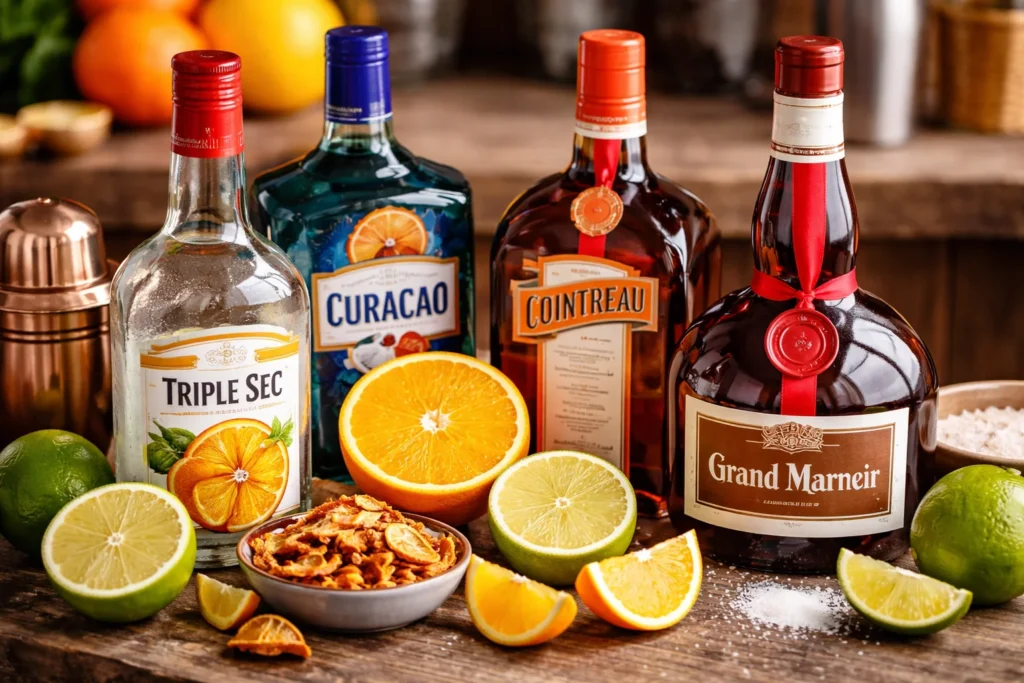
Several styles exist within this category, including:
- Triple sec
- Curaçao
- Premium orange liqueurs
Each one differs in sweetness, alcohol content, and flavor intensity.
What Is Cointreau?
Cointreau is a specific type of premium orange liqueur known for its clean, balanced citrus flavor.
Unlike many basic triple sec brands, it uses carefully distilled sweet and bitter orange peels. The result is a liqueur that tastes bright, aromatic, and not overly sugary.
From a mixology perspective, Cointreau is valued because it delivers:
- Strong orange aroma
- Balanced sweetness
- Higher alcohol content
- Clean finish
These qualities make it particularly effective in cocktails where ingredient balance matters, especially margaritas.
Cointreau vs Orange Liqueur: Key Differences
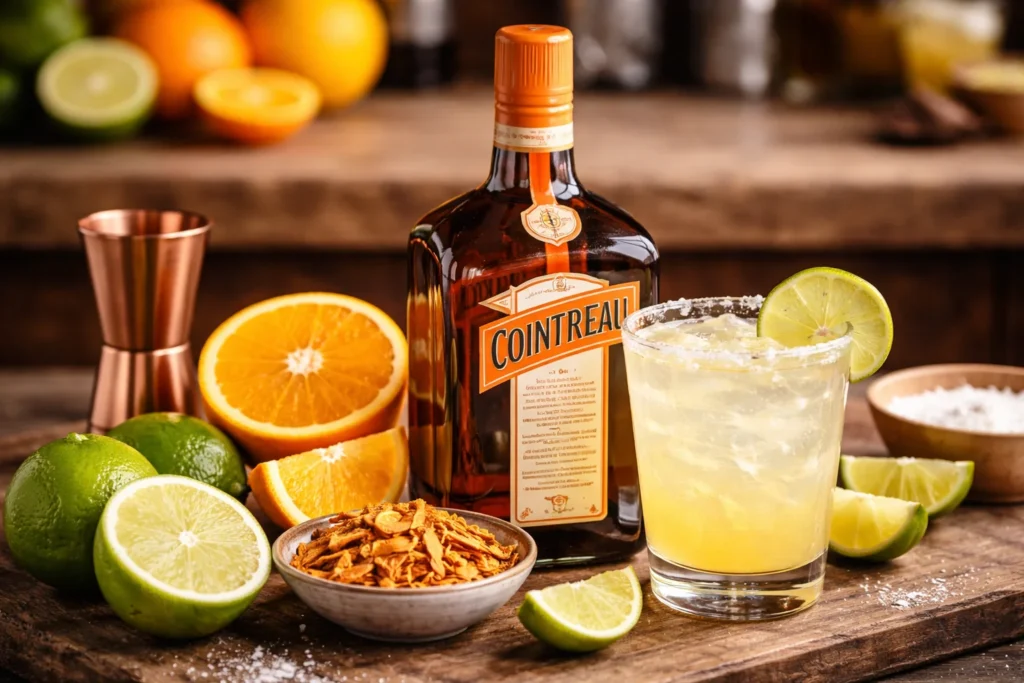
When comparing cointreau vs orange liqueur, the difference usually comes down to quality, sweetness, and flavor clarity.
Flavor Profile
Cointreau tends to have a sharper citrus aroma with a clean, dry finish. Many generic orange liqueurs taste sweeter and slightly heavier.
Sweetness Level
Lower-quality orange liqueurs often rely on sugar to create flavor. Cointreau usually feels more balanced and less syrupy.
Alcohol Strength
Cointreau has a higher alcohol content than many triple sec brands. This matters because it contributes to the “strong” element of a cocktail.
Cocktail Balance
Because of its cleaner flavor, Cointreau often produces a brighter, more structured margarita.
That doesn’t mean other orange liqueurs are bad. Many bartenders still use triple sec successfully, especially in casual or large-batch drinks.
Understanding the Margarita Flavor Balance
Before discussing recipes, it helps to understand the structure behind great margaritas.
Classic cocktails follow a simple balance of sweet, sour, strong, and dilution.
A margarita typically uses this structure:
- Strong: tequila
- Sour: lime juice
- Sweet: orange liqueur
- Dilution: ice
The common ratio used by bartenders resembles a sour-style cocktail:
2 parts tequila : 1 part lime juice : 1 part orange liqueur
Changing the orange liqueur affects both sweetness and alcohol strength. That’s why the cointreau vs orange liqueur choice matters.
Ingredient for a Better Margarita
Tequila Types
Tequila forms the backbone of the drink. I always recommend using 100% agave tequila for better flavor.
Common styles include:
Blanco
- Fresh agave flavor
- Bright and crisp
- Ideal for classic margaritas
Reposado
- Aged briefly in oak
- Slight vanilla and spice notes
- Adds depth to margaritas
Orange Liqueur Options
You’ll typically see these options in margarita recipes.
Triple Sec
- The most common category
- Usually sweeter
- Often affordable
Cointreau
- Premium orange liqueur
- Balanced citrus flavor
- Higher alcohol strength
Fresh Lime Juice vs Bottled
Fresh lime juice always produces a brighter margarita.
Bottled juice tends to taste dull and overly acidic because it contains preservatives.
Whenever possible, squeeze limes right before mixing the drink.
How to Make a Margarita Properly
Making a margarita isn’t complicated, but technique matters.
Ingredients
- 2 oz tequila
- 1 oz fresh lime juice
- 1 oz orange liqueur
- Ice
Instructions
- Fill a cocktail shaker with ice.
- Add tequila, lime juice, and orange liqueur.
- Shake vigorously for about 12–15 seconds.
- Strain into a glass filled with fresh ice or into a chilled coupe.
Shaking properly chills the drink and creates the correct dilution.
Frozen vs On-the-Rocks
Texture plays a big role in the drinking experience.
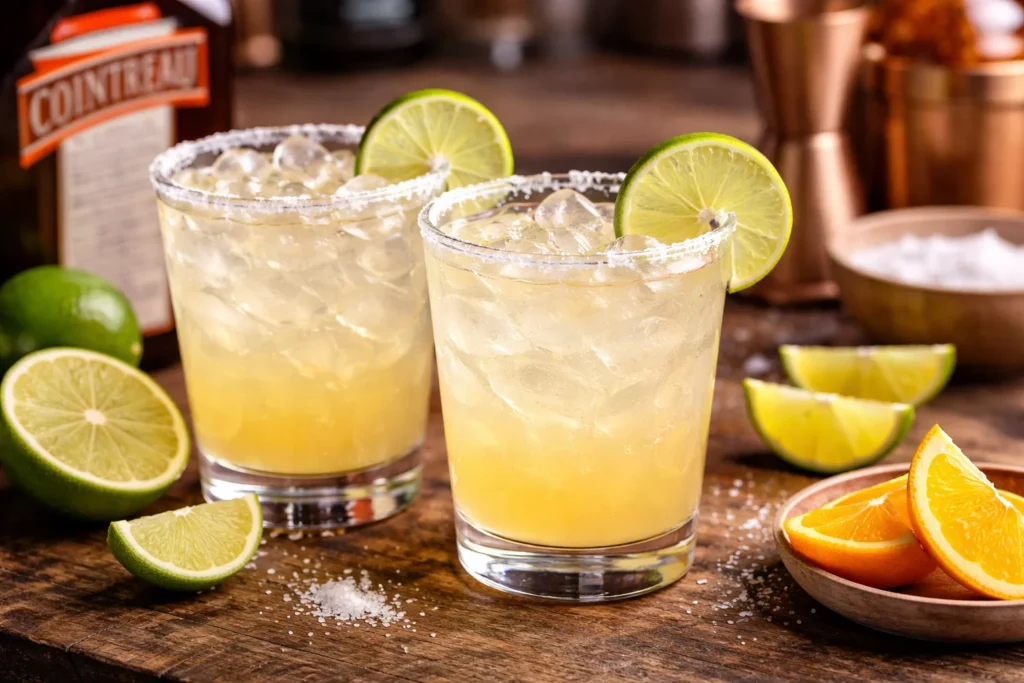
On-the-Rocks Margaritas
These are the traditional bar-style margaritas.
They are:
- Shaken with ice
- Served over fresh ice
- Bright and crisp
Because the ice slowly melts, the drink becomes slightly lighter over time.
Frozen Margaritas
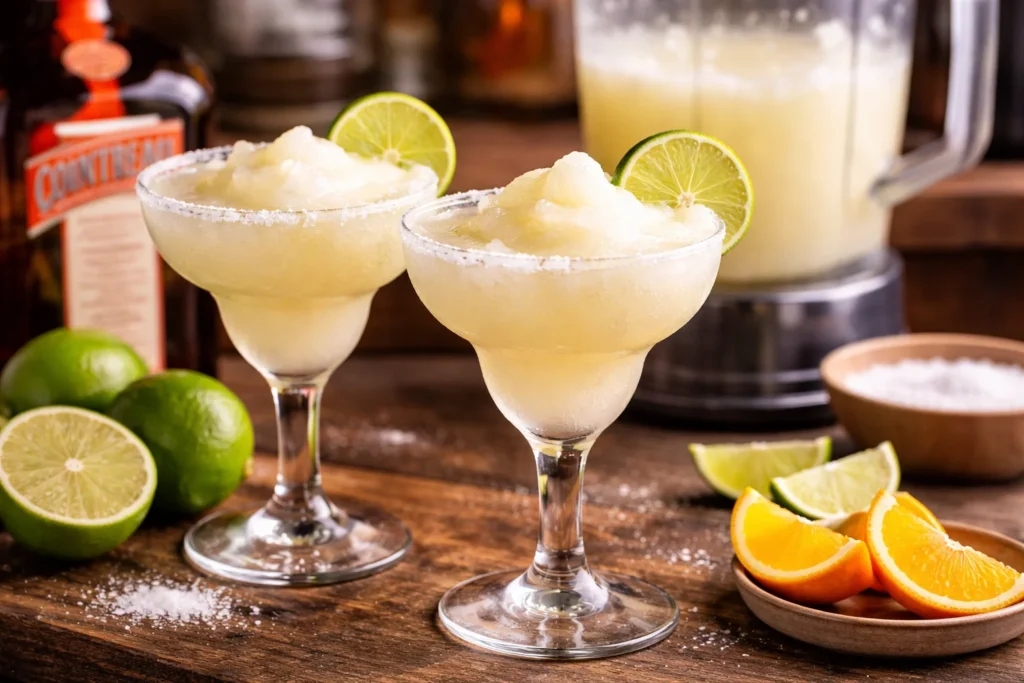
Frozen margaritas use a blender with ice.
They create:
- Thick texture
- Slushy consistency
- Colder temperature
The key challenge with frozen margaritas is controlling dilution. Too much ice will mute the flavors.
Explore the Flavor Variations
Once you understand the base recipe, you can experiment with flavor variations.
Fruit Margaritas
Popular fruit additions include:
Fresh fruit purée works best.
Spicy Margaritas
Add sliced jalapeños or chili-infused tequila to introduce heat.
Skinny Margaritas
A skinny margarita typically reduces sugar by using less orange liqueur and relying more on fresh lime juice.
Premium Margaritas
Some bartenders upgrade the drink using aged tequila and premium orange liqueur.
This version highlights the difference in cointreau vs orange liqueur even more.
What NOT to Do When Making Margaritas
Many margaritas fail because of simple mistakes.
Here are the most common ones I see.
Using bottled margarita mix
These mixes contain excess sugar and artificial flavors.
Skipping fresh lime juice
Fresh citrus provides brightness that bottled juice cannot match.
Overloading the drink with sweet liqueur
Too much orange liqueur makes the drink syrupy.
Under-shaking
A poorly shaken cocktail tastes flat and warm.
Troubleshooting Your Margarita
Even experienced home bartenders sometimes end up with an unbalanced drink.
Here’s how I fix the most common problems.
| Problem | What It Means | How to Fix It |
|---|---|---|
| Too Sour | The lime juice is overpowering the drink. | Add a small splash of orange liqueur or a little agave syrup to increase sweetness. |
| Too Sweet | The orange liqueur or sweetener is dominating the flavor. | Add more fresh lime juice or a small splash of tequila to restore balance. |
| Too Strong | The drink lacks enough dilution from ice. | Shake the cocktail again with fresh ice to slightly dilute and chill it. |
| Too Watery | The ice melted too much and diluted the flavors. | Add a small amount of tequila and lime juice, then shake briefly again. |
Small adjustments can quickly restore balance.
Serving and Presentation Tips
Presentation improves the drinking experience.
Glassware
Margaritas typically use:
- Coupe glasses
- Margarita glasses
- Rocks glasses
For home use, a simple rocks glass works perfectly.
Salting the Rim
Salt enhances citrus flavors.
To salt the rim:
- Rub a lime wedge around the rim.
- Dip the glass lightly into salt.
- Avoid coating the entire rim, partial salt allows drinkers to control flavor.
Garnishes
Common garnishes include:
- Lime wheels
- Lime wedges
- Orange twists
Simple garnishes keep the drink elegant.
Party Batching Tips
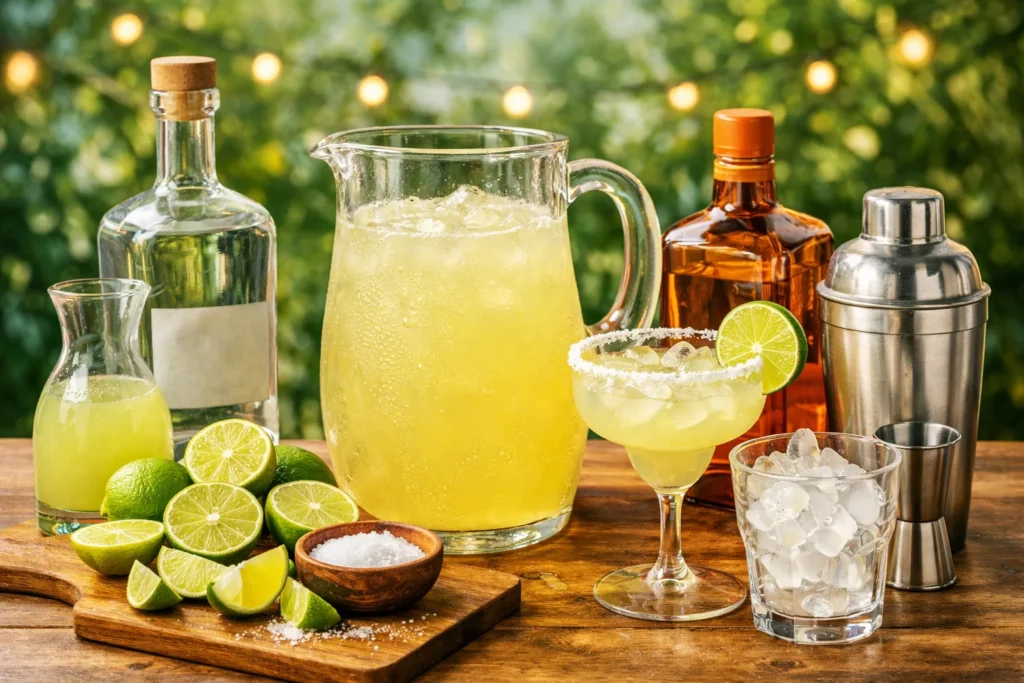
If you’re serving margaritas for a group, batching the recipe saves time.
Use this ratio:
- 2 cups tequila
- 1 cup lime juice
- 1 cup orange liqueur
Mix everything in advance and refrigerate.
When serving, shake individual portions with ice before pouring. This step adds the proper dilution and keeps the drink tasting fresh.
Try Different Versions and Find Your Favorite One
One of the best parts of making margaritas at home is experimenting.
You can explore:
- Different tequila styles
- Various orange liqueurs
- Fruit or spice additions
When comparing cointreau vs orange liqueur, try making two margaritas side by side. The flavor difference becomes much easier to notice.
If you discover a version you love, whether it’s spicy, fruity, or ultra-classic, it’s worth refining the ratios until it becomes your signature drink.
Submit Your Story
Community Insight: The Real-World Tip from Reddit
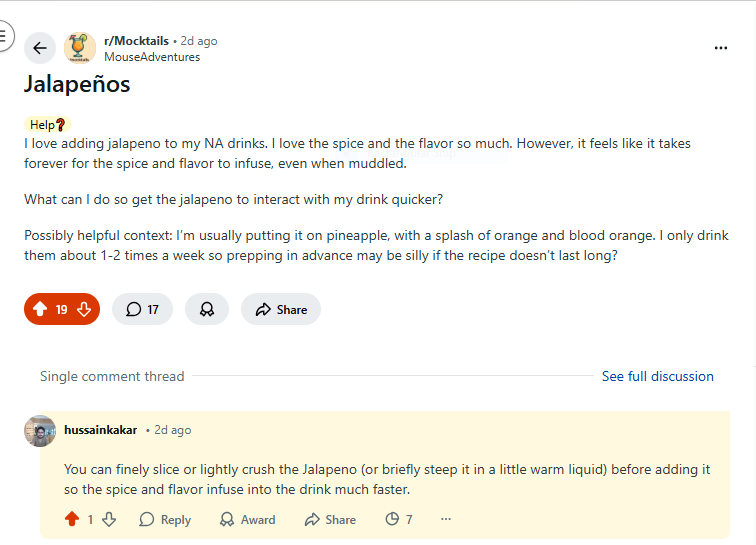
While writing about margarita balance and flavor extraction, I came across a practical discussion on Reddit that perfectly connects with this topic, especially for those experimenting with spicy margaritas.
In the thread, a user mentioned that when adding jalapeños to drinks, the flavor and heat took too long to infuse, even after muddling. This is actually a common issue when working with fresh ingredients in cocktails.
In my response, I suggested a simple but effective fix:
finely slicing or lightly crushing the jalapeño, or briefly steeping it in a small amount of warm liquid before adding it to the drink.
Why This Matters for Margaritas
This directly ties into the core principles discussed in this article:
- Flavor extraction speed affects balance
- Ingredients like citrus, alcohol, and spice interact differently
- Technique matters just as much as ingredients
In margaritas, especially spicy versions, poor infusion can lead to:
- Weak heat
- Unbalanced flavor
- Inconsistent results
By slightly increasing surface area (through slicing or crushing), you allow the jalapeño’s oils to release faster into the drink. This results in a more controlled and evenly balanced spicy margarita.
Practical Takeaway
If you’re making a spicy margarita:
- Don’t just drop in large jalapeño slices
- Lightly muddle or pre-infuse them
- Taste and adjust quickly
This small technique aligns with professional mixology practices and helps you maintain the sweet–sour–strong balance without overpowering the drink.
Faqs
Which is better, Grand Marnier or Cointreau?
There is no single “better” option between Grand Marnier and Cointreau; it depends on the style of drink you want to create. Cointreau is lighter, cleaner, and more citrus-forward, which makes it ideal for classic margaritas where balance and brightness matter. Grand Marnier, on the other hand, is made with a cognac base, giving it a richer, deeper flavor with subtle oak and vanilla notes. Many bartenders prefer Cointreau for traditional margaritas, while Grand Marnier is often used in premium variations like a Cadillac margarita.
What is the healthiest orange liqueur?
There isn’t a truly “healthy” orange liqueur, as all liqueurs contain alcohol and sugar. However, some options are considered better choices depending on your goals. A higher-quality liqueur like Cointreau typically contains a balanced formulation of alcohol and sugar, which means you may need to use less of it in a cocktail. Lower-end triple secs often rely more heavily on added sugar, which can increase calorie intake. If you’re aiming for a lighter margarita, the best approach is to reduce the quantity of liqueur and rely more on fresh lime juice rather than trying to find a “healthy” version.
What’s the difference between orange liqueur and Cointreau?
Orange liqueur is a broad category of spirits flavored with orange peel, which includes products like triple sec, curaçao, and premium brands. Cointreau is a specific type within that category. The main difference lies in quality, flavor clarity, and alcohol content. Cointreau is known for its clean, well-balanced citrus profile and consistent production standards, while other orange liqueurs can vary widely in sweetness, strength, and flavor intensity. In practical terms, using Cointreau often results in a more balanced and refined cocktail.
Can I drink Cointreau straight?
Yes, Cointreau can be enjoyed straight, and it is sometimes served neat or over ice as a digestif. It has a smooth texture and a bright orange aroma that makes it pleasant on its own. However, it is relatively strong at around 40% alcohol by volume, similar to many spirits, so it should be sipped slowly. While it works well neat, it is most commonly used as a cocktail ingredient where its citrus flavor helps balance drinks like margaritas and sidecars.
Is Cointreau full of sugar?
Cointreau does contain sugar, as sweetness is part of what defines an orange liqueur. However, it is not considered excessively sugary compared to many lower-quality triple secs. Its formulation is designed to balance sweetness with alcohol and citrus flavor, which is why it doesn’t taste overly syrupy. Like all liqueurs, it should be used in moderation, especially if you are watching sugar or calorie intake. In cocktails, proper ratios help ensure the drink remains balanced rather than overly sweet.
How This Article Was Created
This article is based on established cocktail structure, traditional sour-style drink ratios, and widely accepted bartending techniques used in professional hospitality environments.
The guidance follows principles commonly taught in:
- Classic cocktail manuals
- Professional bartending training
- Culinary beverage education
The margarita ratios discussed reflect the traditional 2:1:1 sour structure used for many balanced cocktails. Ingredient explanations focus on authentic mixology practice, including fresh citrus use, proper shaking technique, and controlled dilution.
The goal of this guide is to provide practical, trustworthy advice so home bartenders can confidently understand cointreau vs orange liqueur and make consistently balanced margaritas.
References
Classic Margarita Structure & Ratio (Highly Credible)
Margarita as a “Sour” Cocktail (Professional Standard)
Cointreau vs Triple Sec (Ingredient Accuracy)
Technical Differences (Advanced Mixology Insight)

MargaritaLab.com is created and managed by Muhammad Hussain, an SEO specialist with several years of experience in research-driven content creation. With a focus on the Margarita Recipe niche, he combines data-backed insights, careful testing, and clear explanations to make margarita recipes easy to understand and enjoyable for readers at every level.
Pingback: 18 Triple Sec Brands Ranked: Which One Makes the Best Margarita?
Pingback: Difference Between Triple Sec and Orange Liqueur: Complete Margarita Guide