|
Getting your Trinity Audio player ready... |
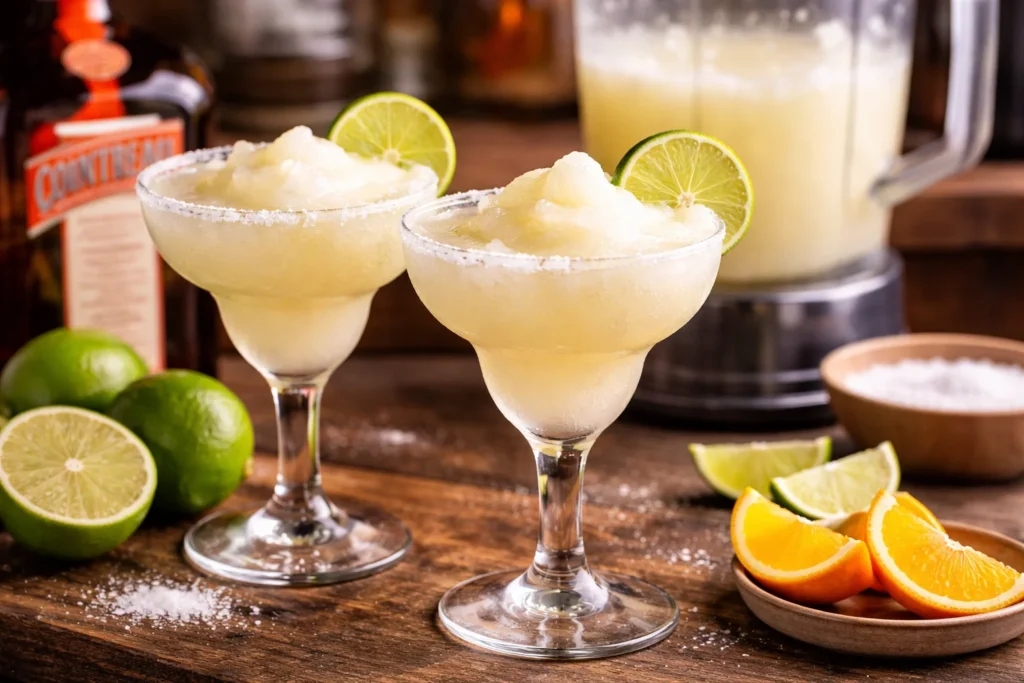
Most margarita guides treat the orange liqueur slot as an afterthought, picking up whatever’s on the shelf and moving on. After making the same margarita with Cointreau, mid-range triple sec, and budget orange liqueur back to back, I found the orange liqueur does more structural work in the drink than either tequila or lime gets credit for. The difference between Cointreau and a cheap triple sec isn’t subtle. But the reason it matters, and when it doesn’t, is more specific than most comparisons explain
What “Orange Liqueur” Actually Means
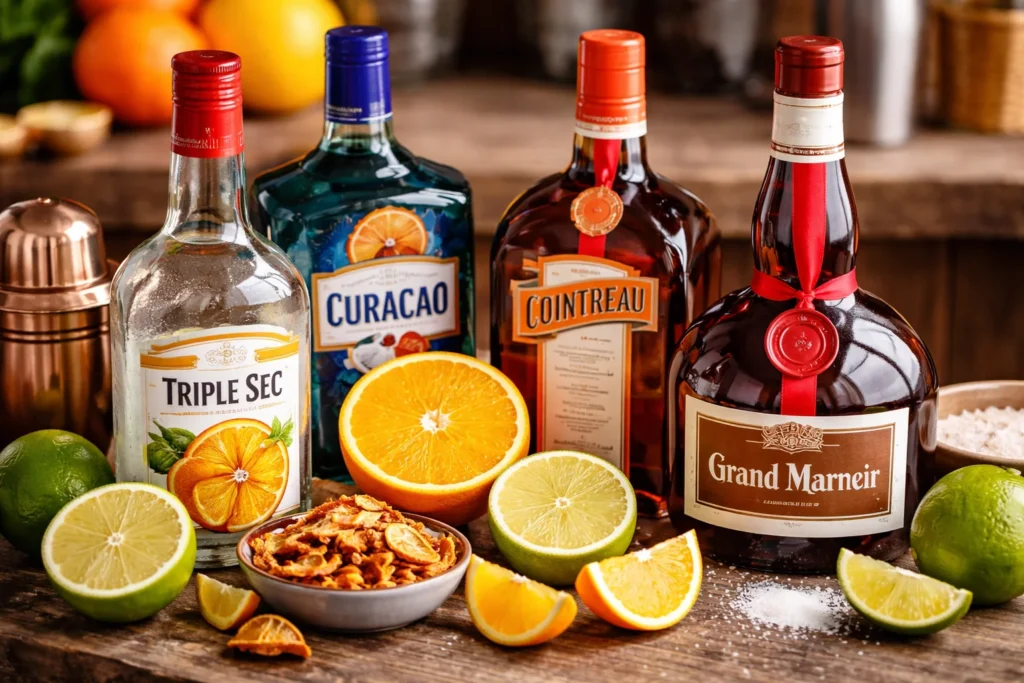
Orange liqueur is a broad category, not a single product. Within that category, the products you’ll encounter in margarita recipes fall into three distinct styles, and they don’t all behave the same way in a drink.
Triple sec is the style most commonly called for in classic margarita recipes. It’s made by macerating dried orange peels in neutral spirit, then redistilling to concentrate the essential oils, and blending with sugar and water. The result is a clear, citrus-forward liqueur with a dry finish. Crucially, triple sec uses only orange, no other botanicals. Cointreau is a triple sec, despite having removed the term from its label between the World Wars. The key quality indicator within this category is ABV: well-made triple secs run at 40% alcohol. Lower-quality versions often run at 15 to 25%, which affects how they behave in a cocktail.
Curaçao is frequently confused with triple sec, but it is a different style. It also uses dried orange peels, originally from the small bitter Laraha orange grown on the island of Curaçao, but the production includes additional herbs and spices, vanilla, subtle floral notes, and sometimes a faint warmth like cinnamon or pepper. The result is rounder and softer than triple sec, with more complexity but less sharp citrus clarity. The color, blue, orange, or clear, is purely aesthetic and doesn’t affect flavor.
Cognac-based orange liqueurs like Grand Marnier use a base of cognac rather than neutral spirit. The brandy character adds vanilla and oak notes that shift the flavor profile meaningfully. These work well in a margarita but produce a noticeably different drink, richer, less citrus-forward, more spirit-forward in a different way than extra tequila would achieve.
Understanding which style you’re working with matters before you make any substitution decisions.
What Cointreau Actually Does Differently
Cointreau was founded in 1849 in Angers, France, by Édouard-Jean Cointreau. The original innovation was blending sweet and bitter orange peels together during distillation, rather than using a single orange variety, to preserve the essential aromatic oils that give citrus its brightness and complexity. The result is a spirit with strong orange aroma, controlled sweetness, and a clean finish, qualities that don’t just make it pleasant on its own but make it structurally effective in cocktails.
In a margarita, the orange liqueur acts as connective tissue between the tequila and lime. It smooths the sharp edge of the citrus, softens the alcohol hit of the tequila, and adds citrus complexity in a different register than fresh lime juice alone can provide. When this bridging element is aromatic and well-balanced, the three components of the drink integrate. When it’s overly sweet or flat, they sit separately.
What I noticed specifically when testing: with Cointreau, I didn’t need to adjust anything after the first sip. The drink was balanced as built. With a budget triple sec at the same volume, the sweetness sat on top of the drink rather than integrating with it, and the lime tasted sharper by contrast, not because I changed the lime, but because the sweet buffer wasn’t doing its job. I added a small amount of extra lime to compensate, which is exactly the adjustment the Spirits Platform article describes bartenders making when a low-quality liqueur forces recalibration.
The ABV Problem Nobody Mentions
This is the most practical and least discussed difference between Cointreau and budget alternatives.
Cointreau runs at 40% ABV. Many budget triple secs run at 15 to 25%. In a margarita built on a 2:1:1 ratio, the orange liqueur contributes roughly one-third of the total alcohol in the drink. Drop that third from 40% to 20% and the finished margarita is noticeably weaker, not because you changed the tequila, but because the orange liqueur stopped contributing meaningfully to the alcohol structure of the drink.
The practical consequence: if you use a 20% triple sec in a standard ratio margarita, the drink will taste slightly flat and under-structured even if the flavor balance seems correct. The fix is not to add more tequila. It’s to use a higher-ABV orange liqueur or, if using a budget triple sec, to slightly reduce the quantity and compensate with more fresh lime rather than accepting a diluted drink.
The Margarita Recipe
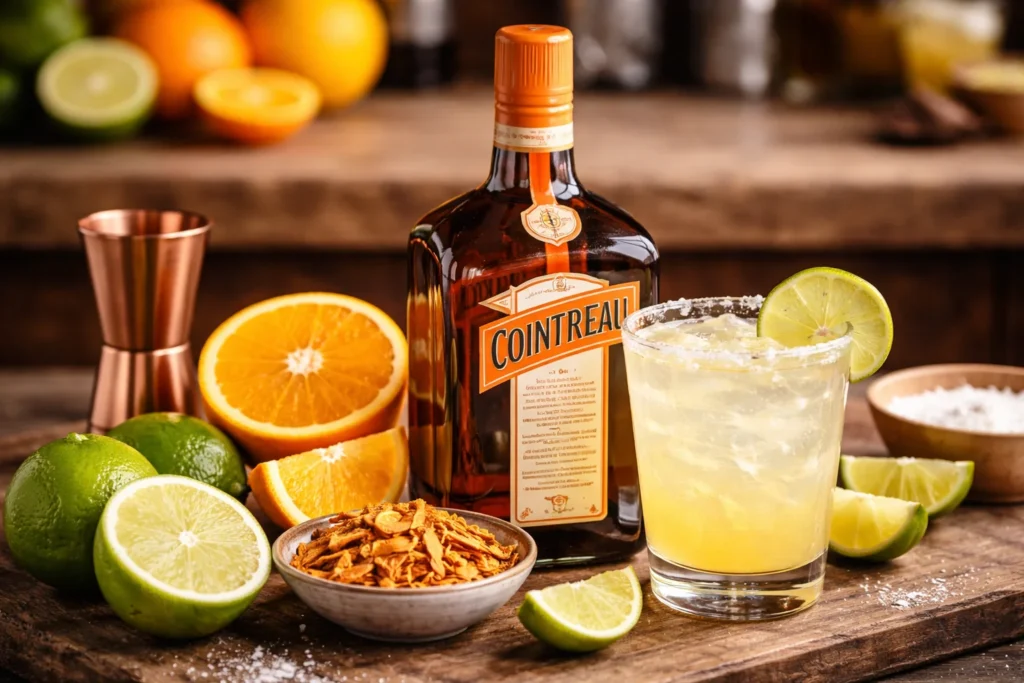
This is the build I use. The ratio assumes a 40% ABV orange liqueur, adjust if using lower-proof alternatives.
Ingredients
- 2 oz blanco tequila (100% agave)
- 1 oz fresh lime juice
- 1 oz Cointreau or 40% ABV triple sec
- Ice for shaking
- Ice for serving
- Coarse kosher salt for the rim (optional)
Instructions
- If salting the rim, run a spent lime half around the edge of a rocks glass and press lightly into kosher salt on a flat plate. Set aside.
- Fill a cocktail shaker three-quarters full with ice.
- Add the tequila, lime juice, and orange liqueur.
- Shake hard for 12 to 15 seconds, the shaker should feel cold and frosted on the outside.
- Strain over fresh ice in the prepared glass.
- Taste before serving. If the sweetness is too forward, add a few drops of fresh lime. If the drink tastes flat or harsh, the issue is almost always under-dilution, shake again with fresh ice rather than adjusting ingredients.
When to Use Each Style
Cointreau or premium 40% triple sec for classic, on-the-rocks margaritas, where the balance of all three components should be distinct, and the citrus should come through clearly. This is also the right choice when you’re using a high-quality blanco tequila you want to taste; a well-made orange liqueur supports the spirit rather than masking it.
Curaçao when you want a rounder, more complex margarita with subtle herbal or spice notes in the background. The softer sweetness and additional botanicals make curaçao a natural pairing with reposado tequila. For a frozen margarita or a fruit variation where other flavors are present, curaçao blends well without its complexity being lost.
Cognac-based orange liqueur (Grand Marnier) when making a Cadillac margarita or a premium variation where you want the richness of brandy character alongside the citrus. The vanilla and oak from the cognac base produce a noticeably different drink, still a margarita, but one with more weight and warmth than a Cointreau version.
Budget triple sec under 30% ABV is workable in frozen or blended margaritas where the additional ice dilution masks the structural weakness, and where the overall sweetness level of the drink is higher anyway. For a classic on-the-rocks margarita where balance is the goal, it will require compensation, either a slightly increased volume or an extra squeeze of lime to restore the sharpness the lower ABV removes.
Does Cointreau Actually Change the Taste Enough to Matter?
The honest answer is yes, but the magnitude depends on context.
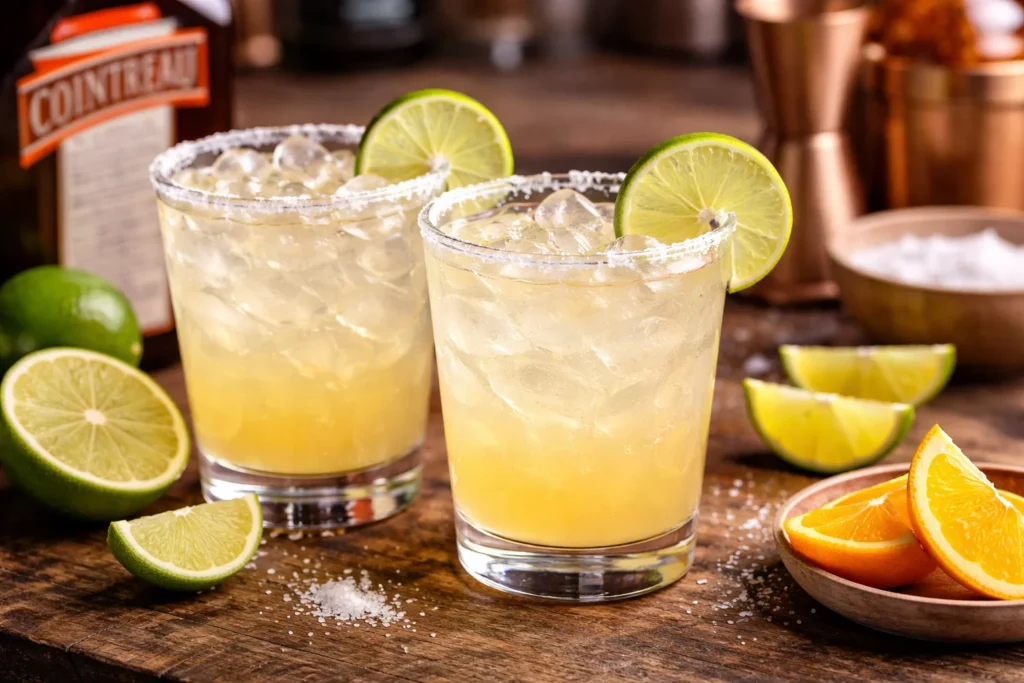
In a carefully made on-the-rocks margarita where you’re tasting all three components distinctly, the difference between Cointreau and a budget triple sec is noticeable on the first sip. The Cointreau version has a cleaner, more integrated flavor with a sharper citrus note. The budget version often has a heavier, slightly artificial sweetness that sits separately from the lime rather than blending with it.
In a blended frozen margarita with fruit added, that difference shrinks. The additional ingredients and the texture of the blended ice mute the subtler flavor characteristics, and the main thing the orange liqueur is contributing at that point is sweetness and a degree of ABV. A mid-range triple sec at 30% or above is perfectly adequate in that context.
The price premium for Cointreau is real. Whether it’s justified depends on what you’re making and how closely you’re paying attention to the result.
Faqs
Which is better, Grand Marnier or Cointreau?
There is no single “better” option between Grand Marnier and Cointreau; it depends on the style of drink you want to create. Cointreau is lighter, cleaner, and more citrus-forward, which makes it ideal for classic margaritas where balance and brightness matter. Grand Marnier, on the other hand, is made with a cognac base, giving it a richer, deeper flavor with subtle oak and vanilla notes. Many bartenders prefer Cointreau for traditional margaritas, while Grand Marnier is often used in premium variations like a Cadillac margarita.
What is the healthiest orange liqueur?
There isn’t a truly “healthy” orange liqueur, as all liqueurs contain alcohol and sugar. However, some options are considered better choices depending on your goals. A higher-quality liqueur like Cointreau typically contains a balanced formulation of alcohol and sugar, which means you may need to use less of it in a cocktail. Lower-end triple secs often rely more heavily on added sugar, which can increase calorie intake. If you’re aiming for a lighter margarita, the best approach is to reduce the quantity of liqueur and rely more on fresh lime juice rather than trying to find a “healthy” version.
What’s the difference between orange liqueur and Cointreau?
Orange liqueur is a broad category of spirits flavored with orange peel, which includes products like triple sec, curaçao, and premium brands. Cointreau is a specific type within that category. The main difference lies in quality, flavor clarity, and alcohol content. Cointreau is known for its clean, well-balanced citrus profile and consistent production standards, while other orange liqueurs can vary widely in sweetness, strength, and flavor intensity. In practical terms, using Cointreau often results in a more balanced and refined cocktail.
Can I drink Cointreau straight?
Yes, Cointreau can be enjoyed straight, and it is sometimes served neat or over ice as a digestif. It has a smooth texture and a bright orange aroma that makes it pleasant on its own. However, it is relatively strong at around 40% alcohol by volume, similar to many spirits, so it should be sipped slowly. While it works well neat, it is most commonly used as a cocktail ingredient where its citrus flavor helps balance drinks like margaritas and sidecars.
Is Cointreau full of sugar?
Cointreau does contain sugar, as sweetness is part of what defines an orange liqueur. However, it is not considered excessively sugary compared to many lower-quality triple secs. Its formulation is designed to balance sweetness with alcohol and citrus flavor, which is why it doesn’t taste overly syrupy. Like all liqueurs, it should be used in moderation, especially if you are watching sugar or calorie intake. In cocktails, proper ratios help ensure the drink remains balanced rather than overly sweet.
References
Classic Margarita Structure & Ratio (Highly Credible)
Margarita as a “Sour” Cocktail (Professional Standard)
Cointreau vs Triple Sec (Ingredient Accuracy)
Technical Differences (Advanced Mixology Insight)

Muhammad Hussain is the creator of MargaritaLab.com, where he tests and analyzes margarita recipes, ingredients, and techniques to help readers make better drinks at home. Over time, he has experimented with different tequila types, lime juice variations, and store-bought mixes to understand what actually makes a balanced margarita.
His approach combines hands-on testing with detailed research, focusing on real-world results rather than theory. Whether comparing fresh vs bottled lime juice or reviewing popular margarita mixes, his goal is to simplify the process and share what truly works.
Pingback: 18 Triple Sec Brands Ranked: Which One Makes the Best Margarita?
Pingback: Difference Between Triple Sec and Orange Liqueur: Complete Margarita Guide
Pingback: Vodka Margarita Substitute: Can You Use Vodka Instead of Tequila in Margaritas?
Pingback: Best Prickly Pear Margarita Recipe: Why This Bright Pink Cocktail Is So Popular
Pingback: Best Grapefruit Margarita Recipe: My Go-To Summer Cocktail
Pingback: Coconut Margarita Recipe: Creamy, Balanced, and Actually Worth Making
Pingback: Triple Sec Substitute for Margarita: Every Option Tested and Ranked
Pingback: How to Make a Margarita at Home: 5 Tricks Real Bartenders Actually Use
Pingback: Margarita Recipe with Triple Sec: Getting the Ratio Right Without Cointreau