|
Getting your Trinity Audio player ready... |
Running out of triple sec doesn’t have to end the night. After testing every reasonable substitute in the same margarita build, same tequila, same fresh lime, same ratio, I found that several options produce genuinely good results, a few produce interesting variations worth making deliberately, and a couple of commonly suggested fixes actually make the problem worse. Here’s the honest breakdown of what works, what doesn’t, and what to do with each one.
What Triple Sec Is Actually Doing
Before choosing a substitute, it helps to understand what you’re replacing. Triple sec does three separate jobs in a margarita: it adds orange citrus complexity, it provides sweetness to balance the lime’s acidity, and it contributes alcohol to the drink’s overall structure. The right substitute needs to address at least two of these three, or the drink will feel unbalanced even when the flavor seems roughly correct.
This is the point most substitution guides skip. Simply adding more lime or more sweetener doesn’t replace the citrus complexity that triple sec provides. And replacing triple sec with orange juice doesn’t replace the alcohol structure. The best substitutes either handle all three jobs simultaneously (other orange liqueurs) or require a compensating adjustment to cover the job they miss (juice substitutes needing a separate sweetener, or non-alcoholic options needing an ABV replacement).
The Liqueur Substitutes: Ranked by How Well They Work
Cointreau: The Best Overall Substitute
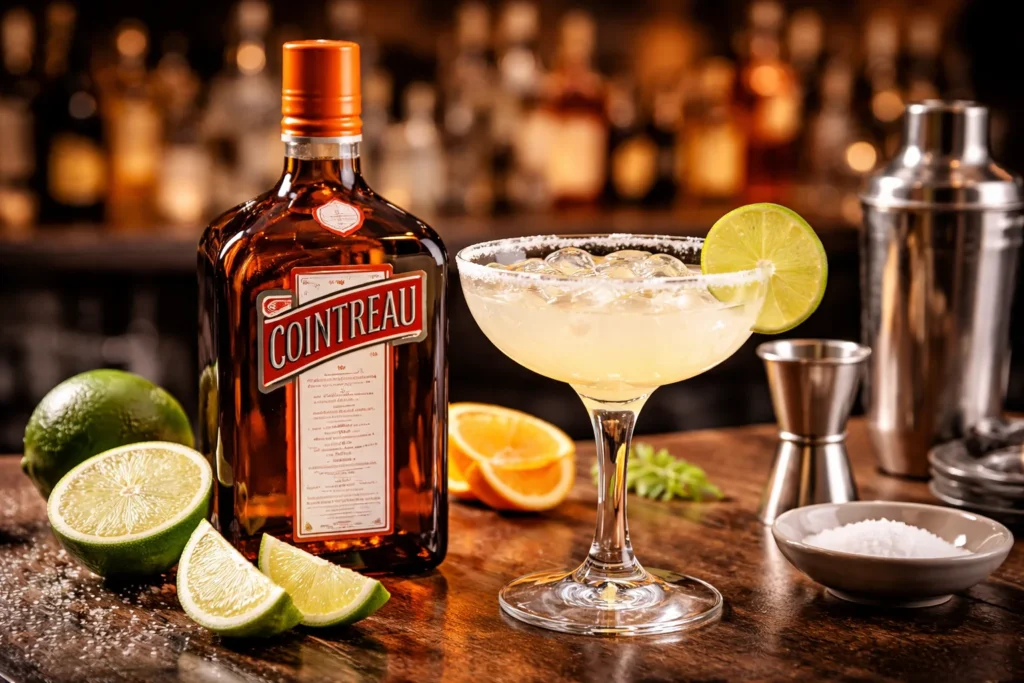
Cointreau is technically a triple sec, it’s made by macerating sweet and bitter orange peels on a neutral spirit base, then redistilling to preserve the essential oils. The reason it’s listed as a substitute rather than just “premium triple sec” is that Cointreau removed the “triple sec” label from its bottle decades ago, which creates confusion about whether it counts as the same thing.
It counts. In fact, it works better than most budget triple secs because it runs at 40% ABV and has a drier, more aromatic sweetness profile. Use it at the same volume as triple sec, one ounce in a standard 2:1:1 margarita, and you’ll get a noticeably brighter, more citrus-forward result. This is the substitute I reach for first.
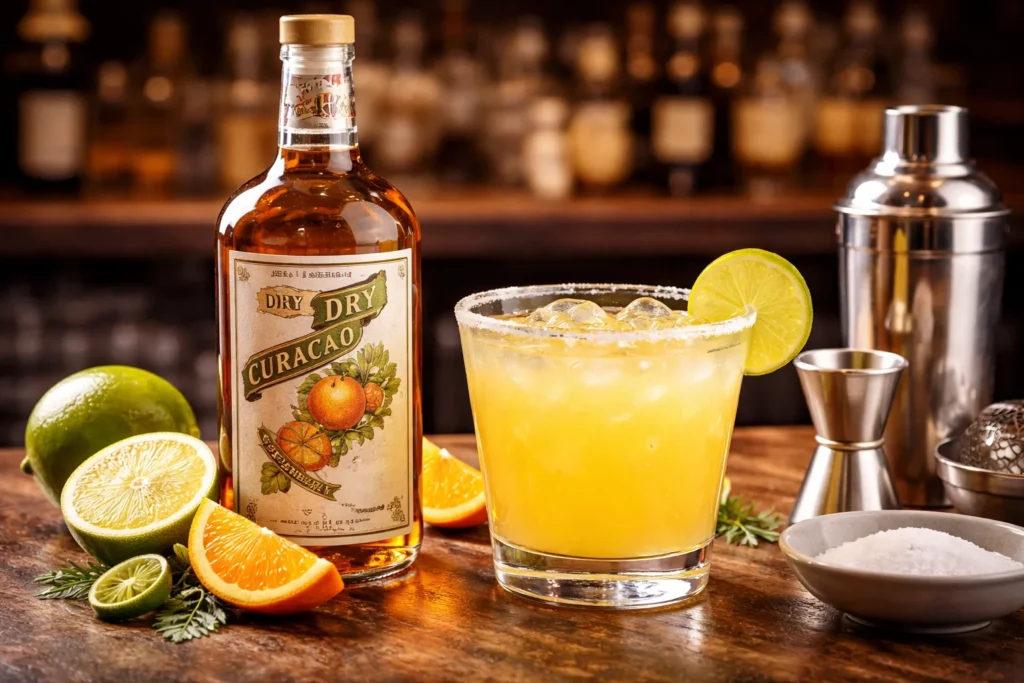
Dry Curaçao: Best for a Drier, Less Sweet Margarita
Dry Curaçao uses the laraha orange, a bitter citrus native to the island of Curaçao, alongside a cognac base. The result is lower in sugar than both triple sec and Cointreau, with subtle vanilla and oak notes from the cognac alongside the citrus. The drink becomes brighter and more citrus-driven rather than orange-sweet. If you’ve ever felt that a standard margarita is slightly too sweet, dry Curaçao at the same volume solves that without any other adjustment.
Use it at equal ratio to triple sec. Ferrand Dry Curaçao is the most widely available quality version.
Grand Marnier: Best for a Premium, Richer Variation
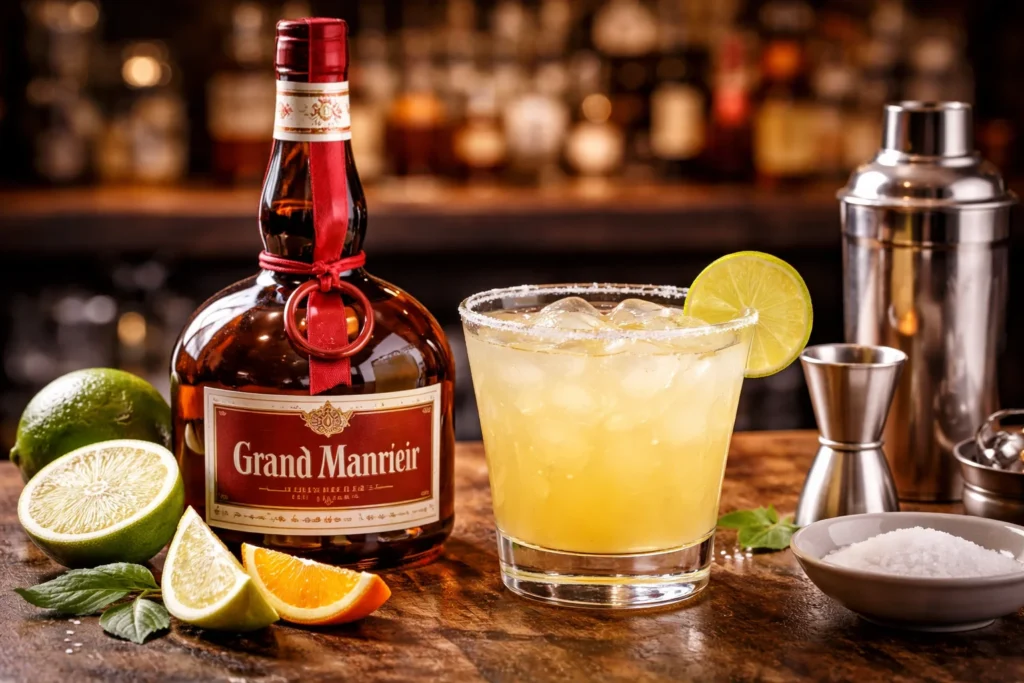
Grand Marnier uses bigarade bitter orange peel macerated in cognac, producing vanilla and oak notes alongside the citrus. It makes a distinctly different margarita, warmer, richer, with more depth. This is the basis for the Cadillac Margarita, where Grand Marnier is floated on top of the finished drink rather than mixed in. The float technique works because the denser cognac-based liqueur sits on the surface, delivering its aroma on every sip before the rest of the drink follows.
Use Grand Marnier at the same one-ounce volume as triple sec for a mixed version. For the float, use the standard margarita with Cointreau as the base, then gently pour half an ounce of Grand Marnier over the back of a spoon onto the surface.
Combier Liqueur d’Orange: The Underrated Option
Combier is made in the same region as Cointreau, uses a similar production method, and produces a clean, bright orange flavor that’s difficult to distinguish from Cointreau in a blind test. It’s less widely available but worth knowing about, at a slightly lower price point than Cointreau with comparable quality. Use in equal ratio.
Pamplemousse Liqueur: For a Grapefruit Variation Worth Making
Pamplemousse is French for grapefruit, and grapefruit liqueur in place of triple sec produces a margarita that’s less sweet, more citrus-forward, and adds a slightly bitter finish that mirrors what dry curaçao does in a different flavor register. The visual effect is also worth noting, pamplemousse liqueur adds a faint pink hue to the drink. Use at an equal ratio to triple sec, but reduce any additional sweetener since the grapefruit bitterness reads as dryness.
Maraschino Liqueur: A Cherry Variation, Not a Direct Substitute
Maraschino liqueur uses marasca cherries and produces a distinctly different flavor profile, cherry-forward, slightly earthy, with a nutty background note. It doesn’t replicate the orange character of triple sec, but it pairs interestingly with tequila and lime in its own right. If you use it, treat the result as a cherry margarita variation rather than a classic margarita with a different liqueur. Use reposado tequila rather than blanco; the barrel notes complement the cherry character better than the raw agave flavor of a blanco.
St-Germain Elderflower Liqueur: A Floral, Gentler Margarita
St-Germain is made from fresh elderflower blossoms and has a distinct aroma of honeysuckle and pear, which is completely different from that of orange liqueur. The resulting margarita is softer, more floral, and noticeably less sharp, closer to a garden cocktail than a beach drink. I think this is worth making deliberately if you like floral drinks. At the standard one-ounce volume, the elderflower doesn’t overpower the lime; it rounds it. The drink won’t taste like a classic margarita, which is fine if that’s your intention.
The Non-Alcoholic Substitutes: What Actually Works
The Simple Syrup Approach
Bartender Susan Choi, owner of Mr. Susan cocktail bar in Berlin, puts it clearly: “You can make a smooth margarita without using orange liqueur, but you do need to replace it with another sweet profile like agave or simple syrup to balance out the drink.”
The baseline build: 2 oz tequila, 1 oz fresh lime juice, ½ oz agave syrup or simple syrup. This is sometimes called a tequila daiquiri rather than a margarita since the orange element is absent. It’s a different drink, but an honest and balanced one.
The more interesting version is Choi’s second point, which nobody develops beyond a brief mention: simple syrups can be infused with other flavors to replace the complexity that orange liqueur was providing. A ginger-infused simple syrup adds warmth and spice that works well with the lime. A chili-infused simple syrup adds heat that turns the drink into a genuine spicy margarita without jalapeño muddling. A lemongrass syrup adds a floral citrus note that gestures toward the orange complexity triple sec would have provided.
The method: combine equal parts sugar and water in a small saucepan, add your flavoring (three to four thin ginger slices, or one deseeded chili, or two lemongrass stalks bruised with a knife), heat until the sugar dissolves, cool completely, and strain. The result stores in the fridge for up to two weeks and takes thirty minutes to make.
Orange Juice: Honestly, Use It Carefully
Orange juice is the most commonly suggested non-alcoholic triple sec substitute, and it genuinely provides the orange flavor. The problem is what it doesn’t provide: the alcohol structure, and controlled sweetness. Orange juice is predominantly water and sugar, which means replacing one ounce of triple sec with one ounce of orange juice adds more sugar than triple sec would have while also removing the ABV contribution. The drink becomes sweeter and structurally weaker simultaneously.
If you use orange juice, use half the quantity, half an ounce rather than a full ounce, and add a small amount of agave to compensate for the lost sweetness structure. A blood orange or Cara Cara orange produces a faint pink color that makes the drink more visually interesting. A Seville orange adds tartness that brings the acidity closer to what triple sec’s bitterness provides.
Orange Extract: For a Skinny or Low-Sugar Version
A few drops of orange extract, two to three drops maximum, added alongside half an ounce of agave syrup, provides concentrated orange aroma without the sugar load of orange juice or the alcohol of triple sec. The result is drier and cleaner than either, which makes it the right choice for a lower-calorie or lower-sugar margarita. Do not use more than three drops; orange extract is concentrated enough to overpower the drink quickly, and there’s no way to correct it after the fact.
Grenadine: A Different Drink, Not a Substitute
Grenadine is made from pomegranate juice and sugar. It adds sweetness and a deep red color, but it has nothing to do with orange flavor. Using grenadine in place of triple sec doesn’t produce a margarita; it produces a tequila sour with pomegranate notes. If that’s what you want, it’s a good drink. If you want something that tastes like a margarita, grenadine won’t get you there.
The Recipe: When You Have No Liqueur at All
This is the Tommy’s Margarita approach adapted for the no-liqueur situation, with an infused syrup upgrade.
Ingredients
- 2 oz blanco tequila
- 1 oz fresh lime juice
- ½ oz agave syrup (or infused simple syrup of your choice)
- Ice for shaking and serving
- Coarse kosher salt for the rim (optional)
Instructions
- If salting the rim, run a lime wedge around the outer edge of a rocks glass and press lightly into coarse salt on a flat plate. Fill the glass with fresh ice.
- Add tequila, lime juice, and agave to a cocktail shaker with ice.
- Shake hard for 12 to 15 seconds.
- Strain into the prepared glass over fresh ice.
- Taste before serving. If it tastes too sharp, add three drops more agave and stir. If it tastes flat, the issue is dilution, shake again with fresh ice.
The drink without orange liqueur is leaner and more tequila-forward than the original. Whether that’s a problem depends on whether you’re using it because you ran out, or because you’ve decided this is how you prefer your margarita.
Quick Reference: Which Substitute for Which Situation
| Situation | Best Substitute |
| Closest to a classic margarita | Cointreau at equal volume |
| Prefer a drier, less sweet drink | Dry Curaçao at equal volume |
| Want a premium, richer variation | Grand Marnier mixed or floated |
| No liqueur available | Agave syrup + optional infused flavor |
| Low sugar or skinny version | 2–3 drops orange extract + agave |
| Orange juice is all you have | ½ oz OJ + ¼ oz agave, not 1:1 |
| Want something genuinely different | St-Germain or pamplemousse liqueur |
Faqs
What to use instead of triple sec?
If you don’t have triple sec, you can use other orange liqueurs like Cointreau, Grand Marnier, or dry Curaçao as direct substitutes. These options provide the same core function, adding orange flavor, sweetness, and balance to the margarita. If you prefer a non-alcoholic option, a mix of fresh orange juice and a small amount of simple syrup can work as a basic replacement, though it will slightly change the flavor and texture of the drink. The key is to maintain the balance between sweet, sour, and strong elements.
Can I make a margarita with no triple sec?
Yes, you can make a margarita without triple sec, but you’ll need to replace its role in the drink. Triple sec contributes both sweetness and citrus complexity, so without it, the margarita may taste too sharp or unbalanced. To fix this, you can use alternatives like agave syrup for sweetness and a small amount of orange juice or orange extract for citrus notes. While the result won’t be a traditional margarita, it can still be a well-balanced and enjoyable variation.
What is the best liqueur for margaritas?
The best liqueur for margaritas depends on the flavor profile you prefer. Cointreau is often considered the most balanced option because it delivers a clean, bright orange flavor without overpowering sweetness. Grand Marnier is another popular choice, especially for a richer, more premium-style margarita, as it adds depth from its cognac base. Dry Curaçao is ideal if you prefer a drier, less sweet drink with more emphasis on tequila and lime. Each option works well, it just depends on your taste.
What is a good alternative to Cointreau in margaritas?
A good alternative to Cointreau is any high-quality orange liqueur, such as triple sec or dry Curaçao. These provide a similar citrus profile, although they may vary slightly in sweetness and intensity. Grand Marnier can also be used, but it will create a richer and slightly heavier margarita due to its cognac base. If you don’t have any liqueur, a combination of orange juice and a sweetener like agave syrup can be used to approximate the flavor, though it won’t have the same depth.
Can you make margaritas without Cointreau?
Yes, margaritas can absolutely be made without Cointreau. While it’s a popular and high-quality orange liqueur, it’s not essential. You can use other options like triple sec, Grand Marnier, or dry Curaçao to achieve a similar balance of citrus and sweetness. Even without any orange liqueur, you can still build a margarita using tequila, fresh lime juice, and a sweetener, adjusting the ratios to maintain balance. The result may be slightly different, but it can still be a great-tasting drink.
References
Cointreau (Flavor + Role in Margaritas)
Grand Marnier (Cognac Base + Flavor Depth)
Curaçao vs Triple Sec vs Others

Muhammad Hussain is the creator of MargaritaLab.com, where he tests and analyzes margarita recipes, ingredients, and techniques to help readers make better drinks at home. Over time, he has experimented with different tequila types, lime juice variations, and store-bought mixes to understand what actually makes a balanced margarita.
His approach combines hands-on testing with detailed research, focusing on real-world results rather than theory. Whether comparing fresh vs bottled lime juice or reviewing popular margarita mixes, his goal is to simplify the process and share what truly works.