|
Getting your Trinity Audio player ready... |
The standard advice is that a margarita doesn’t need added sugar if your 2:1:1 ratio is right: tequila, lime, orange liqueur, nothing else. That’s mostly true, and it’s the recipe below. But it’s worth knowing that when The Kitchn blind-tested six well-known published margarita recipes side by side, the one that won outright wasn’t a strict no-sugar version, it was a reposado-based recipe with a touch of homemade simple syrup added. Purist ratios are a great baseline, not a law.
This is the full guide: the classic recipe, why the 2:1:1 structure works, real variations worth knowing about, and links out to deeper breakdowns, tequila selection, triple sec brands, glassware, and specific styles like skinny and Cadillac margaritas, so you’re not stuck re-reading the same ingredient explanations across five different pages.
The Classic Margarita Recipe
Ingredients (1 serving):
- 2 oz blanco tequila
- 1 oz fresh lime juice
- 1 oz orange liqueur (Cointreau, triple sec, or Grand Marnier)
- Ice
- Salt for the rim (optional)
Instructions:
- Run a lime wedge around the rim and dip in salt, if using.
- Fill a shaker with ice, then add the tequila, lime juice, and orange liqueur.
- Shake for about 15 seconds, until the shaker feels properly cold.
- Strain into a glass over fresh ice.
- Garnish with a lime wheel.
One technique worth adding: America’s Test Kitchen steeps lemon and lime zest directly in the juice for a few minutes before mixing, rather than juicing and moving straight to the shaker. The oils in the zest carry aromatic citrus notes that plain juice alone doesn’t capture, and it’s a five-minute step that makes a genuinely noticeable difference.
Why the 2:1:1 Ratio Works, and Where It Bends
A margarita runs on the same structure as any sour cocktail:
- Strong: tequila
- Sour: fresh lime juice
- Sweet: orange liqueur
- Dilution: ice, via shaking
2:1:1 is the standard starting point, but it’s not the only ratio serious recipes actually use. Smitten Kitchen’s well-regarded version runs 3:2:2, same proportions, just scaled differently, and easy to batch. Ina Garten’s recipe adds a splash of lemon juice alongside the lime for extra tang. Neither is wrong; they’re variations on the same four-part structure, adjusted to taste.
When to add a touch of sweetener anyway: if your limes are especially tart, or you’re using a lower-proof triple sec that doesn’t carry as much sweetness as Cointreau, a small amount (¼–½ oz) of simple syrup or agave can round things out, exactly what the highest-rated recipe in The Kitchn’s comparison did. It’s not a sign you did something wrong; it’s a legitimate adjustment.
On the Rocks vs. Frozen
| Style | What Changes | Key Tip |
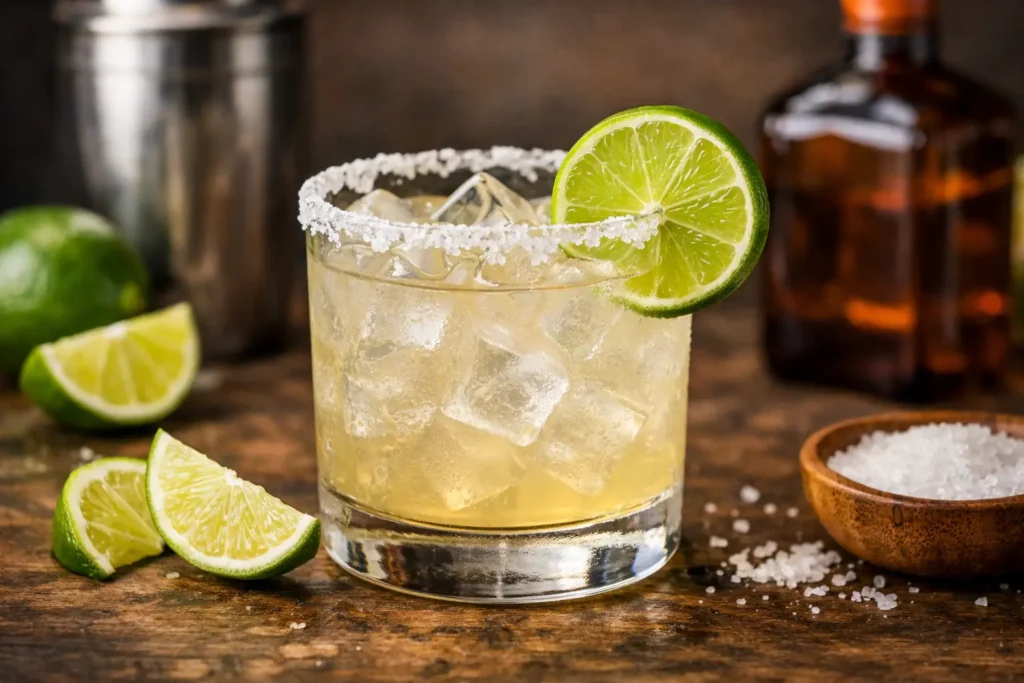
| On the rocks | Shaken, served over fresh ice | Use solid ice cubes rather than crushed, they chill the drink without diluting it as fast |
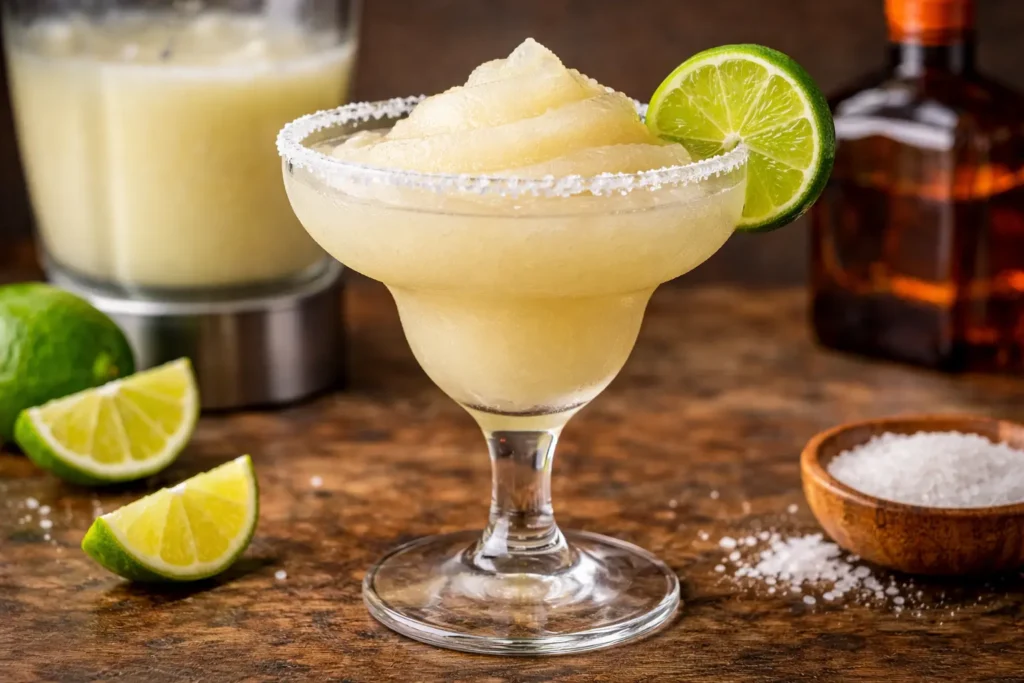
| Frozen | Blended with ice into a slushy texture | Reduce lime slightly to avoid over-acidity once blended; don’t over-blend, or melted ice waters it down |
For the full frozen-specific method, see the frozen margarita recipe.
Choosing Your Ingredients
Rather than re-explaining tequila types, orange liqueur options, and lime juice quality here, each has its own dedicated breakdown with more detail than fits on this page:
- Tequila: blanco is the standard choice for its clean, bright agave character. For what separates a good bottle from a mediocre one beyond just “blanco vs. reposado,” see choosing the best tequila for margaritas.
- Orange liqueur: Cointreau, triple sec, and Grand Marnier all work, but they’re not interchangeable at a 1:1 pour, strength and sweetness vary by brand. See 18 triple sec brands tested and the ratio adjustment triple sec specifically needs.
- Lime juice: always fresh, never bottled, the difference is significant enough that it’s covered in its own comparison at fresh vs. bottled lime juice.
Common Mistakes
- Bottled lime juice: flatter, more one-note than fresh
- Mixto tequila: contains added sugars and often tastes harsh
- Skipping the shake: without it, the ingredients don’t properly integrate or chill
- Over-blending a frozen version: melts the ice and thins the drink
- Assuming more salt is better: a heavy, fully-coated rim overwhelms the first sip rather than complementing it
Troubleshooting
| Problem | Cause | Fix |
| Too sour | Too much lime relative to sweetness | Add a small splash of orange liqueur or agave |
| Too sweet | Too much liqueur or sweetener | Add a little more fresh lime juice |
| Too strong | Tequila dominating | Add more ice and shake again for extra dilution |
| Too watery | Over-diluted from over-shaking or melted ice | Rebuild with fresh ice; shake for less time next round |
Serving
Glassware: a rocks glass is the most practical everyday option. For a full breakdown of how shape and size actually change the drink, see best margarita glasses, tested.
Rim: run lime around half the rim only, and dip lightly in coarse salt, coating the whole rim makes the first sip too salty.
Garnish: a lime wheel or wedge is enough; simple outperforms elaborate here.
Batching for a Group
For about 8 servings:
- 16 oz tequila
- 8 oz fresh lime juice
- 8 oz orange liqueur
Mix and refrigerate without ice, ice added to a batch ahead of time waters it down before anyone’s poured a glass. Shake individual servings with fresh ice at serving time, or pour the chilled batch over ice and stir.
Variations Worth Trying
Once the base recipe is solid, these are the most common directions to take it, each with a full recipe of its own:
- Skinny margarita: swaps orange liqueur for fresh orange juice and a touch of agave, cutting real calories
- Cadillac margarita: premium tequila and Grand Marnier, traditionally floated on top, now an official IBA cocktail
- Fruit margaritas: strawberry, mango, watermelon
- Spicy margaritas: muddled jalapeño or a chili-salt rim
Faqs
How to make the best margaritas at home?
To make the best margarita at home, use a simple, balanced recipe with fresh ingredients. The classic margarita uses 2 oz tequila, 1 oz fresh lime juice, and 1 oz orange liqueur such as Cointreau or Triple Sec. Fill a shaker with ice, add the ingredients, and shake for about 10–15 seconds until well chilled. Strain into a glass with fresh ice (or serve straight up in a coupe glass). For best results, always use freshly squeezed lime juice rather than bottled juice, as it delivers a brighter, more natural flavor. You can rim the glass with salt by rubbing a lime wedge around the edge and dipping it into coarse salt before pouring the drink. A proper margarita should taste fresh, slightly tart, lightly sweet, and balanced, not overly sugary.
Which tequila is best for margaritas?
The best tequila for margaritas is 100% agave tequila, not “mixto” tequila (which contains added sugars). For a classic margarita, Blanco (Silver) tequila is the top choice because it has a clean, crisp flavor that pairs well with lime. Reposado tequila can also work if you prefer a smoother, slightly oak-aged flavor. Avoid heavily aged Añejo tequila for traditional margaritas, as its strong barrel notes can overpower the citrus balance. Look for the words “100% de agave” on the bottle label to ensure quality.
Should I use simple syrup in a margarita?
Traditional margaritas do not require simple syrup because the orange liqueur already provides sweetness. However, you can add a small amount (about ¼–½ oz) of simple syrup if you prefer a slightly sweeter drink or if your limes are extra tart. Many modern bartenders adjust sweetness based on personal taste rather than following a rigid formula. The key is balance, the sweetness should soften the acidity without making the drink taste sugary.
What is the golden rule of cocktails?
The golden rule of cocktails is balance. A good cocktail balances three key elements: strong (alcohol), sour (citrus), and sweet (sugar or liqueur). If one element dominates, the drink will taste off. This is often called the “2-1-1 rule” in sour-style cocktails like margaritas, 2 parts spirit, 1 part sour, 1 part sweet. In addition, always use fresh ingredients, proper measurements (jiggers instead of guessing), quality spirits, and enough ice to properly chill and dilute the drink. Precision and freshness are what separate average cocktails from great ones.
What kind of salt is best for margaritas?
The best salt for margaritas is coarse kosher salt or coarse sea salt. These salts stick well to the rim and provide a clean, crisp salinity without dissolving too quickly. Avoid fine table salt, as it can taste harsh and overly salty. Some people prefer flaky sea salt for a lighter texture, while others enjoy flavored salts (like chili-lime salt) for variation. Regardless of the type, apply salt only to the outer rim of the glass so it enhances each sip without overwhelming the drink.
References
Anatomy of a Classic Margarita (Art of the Cocktail)
Professional Margarita Guide & Ratios (The Cocktail Atlas)
Margarita Taste Profile & Balance (Mixologiq)
3 Secrets to Better Fresh Margaritas, America’s Test Kitchen

Muhammad Hussain is the creator of MargaritaLab.com, where he tests and analyzes margarita recipes, ingredients, and techniques to help readers make better drinks at home. Over time, he has experimented with different tequila types, lime juice variations, and store-bought mixes to understand what actually makes a balanced margarita.
His approach combines hands-on testing with detailed research, focusing on real-world results rather than theory. Whether comparing fresh vs bottled lime juice or reviewing popular margarita mixes, his goal is to simplify the process and share what truly works.
Pingback: 18 Triple Sec Brands Ranked: Which One Makes the Best Margarita?
Pingback: Best Prickly Pear Margarita Recipe: Why This Bright Pink Cocktail Is So Popular
Pingback: Espolòn Tequila Review: Is It Good for Margaritas?
Pingback: Is Triple Sec the Same as Simple Syrup? Best Guide for Margarita Lovers
Pingback: Shaken vs Blended Margarita: How Ice Affects the Taste
Pingback: Frozen vs Classic Margarita: Which One Wins?
Pingback: Can You Make Margaritas Without Alcohol? The Perfect Non Alcoholic Margarita Recipe
Pingback: Blue Margarita Recipe: What Really Makes It Blue & Best?
Pingback: Frozen Margarita Recipe: How to Make It Smooth, Balanced, and Never Watery
Pingback: Grand Marnier vs Triple Sec vs Cointreau with Full Comparison
Pingback: Triple Sec vs Cointreau: Which Is Better for Margaritas?
Pingback: Best Mango Margarita Recipe with Fresh and Frozen Options
Pingback: Spicy Margarita Recipe: How to Control Heat Without Losing the Drink
Pingback: Homemade Lime Juice for Margaritas: The One Swap That Fixed Every Drink I Made
Pingback: Strong vs Smooth Margarita: How to Control Exactly How Your Drink Tastes
Pingback: Fresh Lime Juice Margarita vs Bottled: The Real Difference Is Not What You Think
Pingback: Cointreau vs Orange Liqueur: What Actually Changes in Your Margarita
Pingback: Too Much Triple Sec in a Margarita: Why It Tastes Sweet and How to Fix It
Pingback: Triple Sec vs Orange Liqueur: What the Label Is Actually Telling You
Pingback: I Tested 5 Margarita Glasses Side by Side. The Classic One Came in Second.
Pingback: Cadillac Margarita Recipe: Now an Official IBA Cocktail, Made the Right Way
Pingback: National Margarita Day Recipes: 5 Margaritas Actually Worth Making This Year